Vitamin B3, or niacin, is important for your health. It powers your body by converting food into energy, supports nervous system function, helps combat fatigue, and contributes to healthy skin. Discover what vitamin B3 does and when supplements might help.
What does vitamin B3 do?
Like many B Vitamins, niacin is crucial for converting the food you eat into usable energy, which helps keep fatigue at bay. It also plays an important role in supporting your nervous system and maintaining healthy skin. While your body can produce a small amount of niacin from the amino acid tryptophan, it is water-soluble, which means your body doesn’t store it so it’s best replenished by eating certain foods high in vitamin B3 or through supplements.
There are two main forms of niacin: nicotinic acid and niacinamide (nicotinamide). Nicotinic acid has been shown to help reduce LDL or "bad" cholesterol and increase HDL or "good" cholesterol. Niacinamide is best known for its skin benefits and is often used in skincare products to reduce inflammation, brighten the skin, and help address concerns such as acne.
What are the benefits of taking B3 as a supplement?
From your skin to your brain, Vitamin B3 has important health benefits. Your brain needs niacin to get energy and function properly, and niacin deficiency can lead to symptoms such as brain fog, anxiety and depression. While it’s now rare in developed countries today, severe deficiency can also lead to a serious condition called pellagra, triggering dermatitis, diarrhoea and dementia. Vitamin B3 supplements help ensure you're getting enough of this important nutrient.
As a supplement, niacin may be recommended in higher doses to help improve cholesterol levels, slow the progression of certain types of heart disease, and even help prevent memory loss and dementia.[1]
We're continuing to learn about the risks of excess niacin and how it may impact the body, which is why it's important to speak with a healthcare professional before taking high-dose supplements, especially if you're pregnant.
What foods are high in vitamin B3?
You'll find niacin in a wide variety of foods. Good sources include red meat, poultry, fish, brown rice, nuts, seeds, legumes, bananas, and fortified cereals. Most people can easily get enough B3 by consuming foods that are rich in niacin.
The NHS recommends approximately 16.5mg a day for men and 13.2mg a day for women. However, it’s important to note that niacin requirements can also differ depending on factors, such as your age.
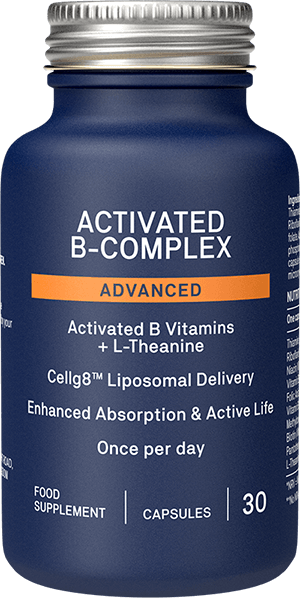
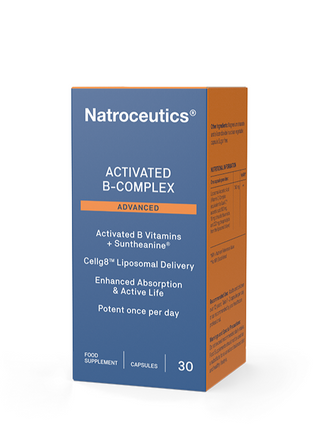
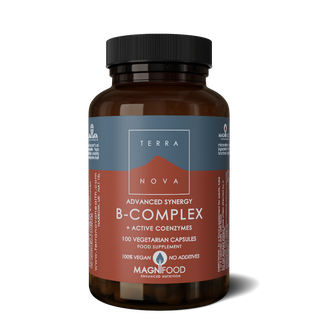
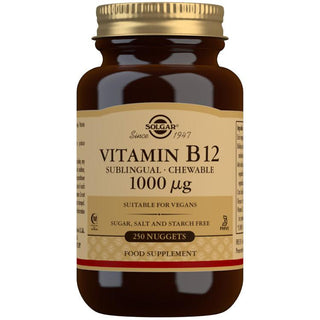
Find high-quality B3 supplements to support energy, maintain healthy skin and keep your nervous system strong.