
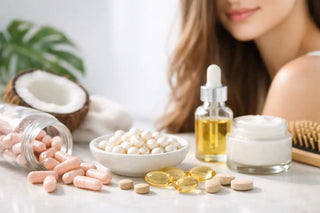
A new serum can feel gratifying from the first application. A beauty supplement asks for something less immediate: consistency, patience and a realistic view of what it can achieve. So, are beauty supplements worth it? For the right person and concern, they can be a thoughtful addition to a wider beauty and wellbeing routine. They are not, however, a substitute for a nourishing diet, effective topical care or medical advice when symptoms are persistent.
The most worthwhile formulas are usually those chosen with a clear purpose. Rather than taking a broad assortment of capsules in the hope of a visible transformation, consider whether your skin, hair or nails may benefit from specific nutritional support, and whether the formulation offers meaningful levels of well-researched ingredients.
Are beauty supplements worth it? It depends on the concern
Skin, hair and nails are living tissues with different needs, and their appearance is influenced by far more than a single nutrient. Sleep, stress, hormonal changes, sun exposure, styling habits, illness, medication and overall diet can all leave their mark. A supplement may support normal function where intake is insufficient, but it cannot reliably override these influences.
This is why a targeted approach matters. Someone with brittle nails following a restrictive diet may have different needs from someone seeking support for dry, mature skin, or a person noticing increased hair shedding after a stressful period. The label should answer a recognisable need, not simply promise a vague idea of radiance.
Expectation also matters. Skin turnover takes weeks, while hair grows slowly. In many cases, a fair trial is around eight to 12 weeks, provided the product is suitable and taken as directed. Any genuine change is likely to be gradual: nails that split less readily, hair that feels stronger as new growth comes through, or skin that appears better supported alongside a consistent skincare routine.
Start with the evidence, not the trend
Beauty supplements sit on a spectrum. Some nutrients have established roles in maintaining normal skin, hair or nails, particularly when dietary intake is low. Other popular ingredients have promising but more variable evidence, often depending on dose, formulation and the individual taking them.
Vitamins and minerals for everyday nutritional support
Several nutrients are familiar in beauty-focused formulas for good reason. Vitamin C contributes to normal collagen formation for the normal function of skin. Zinc contributes to the maintenance of normal skin, hair and nails, while biotin contributes to the maintenance of normal skin and hair. Selenium contributes to the maintenance of normal hair and nails.
These permitted nutrition claims are useful context, but they should not be mistaken for a guarantee that more is better. If you already meet your nutritional needs, taking high doses is unlikely to create dramatically different results. A well-designed supplement should complement a balanced diet that includes protein, colourful fruit and vegetables, wholegrains, healthy fats and a variety of mineral-rich foods.
Iron deserves particular care. Low iron stores can be associated with hair shedding and fatigue, but iron is not a general beauty ingredient to take without consideration. Supplementing when it is not needed can cause side effects and may be inappropriate for some people. If hair loss is sudden, significant or accompanied by tiredness, speak to a GP or pharmacist rather than self-prescribing a high-dose product.
Collagen and skin hydration
Collagen peptides have become a prominent choice for those interested in skin elasticity, hydration and the appearance of fine lines. Some clinical studies suggest that hydrolysed collagen peptides, taken consistently, may support measures of skin hydration and elasticity. The research is encouraging, however, study designs, collagen sources and dosing protocols vary considerably, making it difficult to compare results directly across products. Collagen should be viewed as support rather than a replacement for sunscreen or a well-chosen moisturiser.
Quality is especially relevant here. Look for a clearly stated daily serving, the type of collagen used and a formula that is straightforward about its ingredients. Vitamin C is often included because of its role in normal collagen formation. Those following a vegan lifestyle will need to choose a non-animal alternative, understanding that products described as collagen-supporting generally supply nutrients involved in collagen production rather than collagen itself.
Beyond nutrients directly associated with skin structure, some people consider supplements that support overall wellbeing and skin comfort.
Omega-3 and dry-feeling skin
Omega-3 fatty acids are valued in wellbeing routines for their broad role in the body and may be of interest as part of a wider wellbeing approach for those whose skin feels dry or uncomfortable. Fish oil and algae oil provide EPA and DHA, with algae-based options suitable for vegetarians and vegans - our guide to choosing an omega-3 supplement compares them. Results are not overnight, and omega-3 supplementation is best considered alongside dietary sources such as oily fish, where appropriate.
If you take anticoagulant medication, have a bleeding disorder or are preparing for surgery, seek professional advice before adding fish oil or high-dose omega-3 products.
How to choose beauty supplements that are worth your investment
Premium does not have to mean complicated. The most considered purchase is one with a clear objective, an intelligible formula and a routine you can realistically maintain. Before choosing, decide whether your priority is hair and nails, skin hydration, collagen support or filling a likely nutritional gap.
Check the daily dose rather than being led by the number of ingredients on the front of the pack. A lengthy ingredient list can look impressive while providing only token quantities. Equally, avoid stacking several formulas that repeat the same vitamins and minerals. A multivitamin, a hair supplement and a separate beauty blend may together deliver more zinc, selenium or vitamin A than you intended - our article on supplements versus multivitamins covers avoiding that overlap.
It is also worth considering format. Capsules are convenient and often suit targeted nutrients. Powders can make a collagen or protein-based routine easier to remember, especially when stirred into a daily drink. Gummies may be appealing, but check the serving size, sugar content and nutrient levels. The best format is the one you will take consistently and comfortably.
At John Bell & Croyden, beauty supplements can be explored as part of a wider approach to wellbeing, with options spanning targeted vitamins and minerals, collagen, omega oils and specialist formulations. The aim should be to select with purpose, rather than accumulate products.
What supplements cannot solve
A supplement cannot protect skin from ultraviolet exposure, remove pigmentation, treat acne or correct a compromised skin barrier on its own. Daily broad-spectrum SPF, appropriate cleansing and moisturising, and evidence-led active skincare remain central to a skin routine. For hair, avoid assuming that a supplement is the answer to every change in density or texture. Patchy hair loss, rapidly increasing shedding, scalp inflammation or hair loss accompanied by other symptoms should be assessed by a healthcare professional, as underlying medical causes may require treatment. Genetics, thyroid health, hormonal shifts, scalp conditions and some medicines can all be relevant.
Persistent adult acne, eczema, unexplained rashes, nail changes or ongoing hair loss deserve proper assessment. A pharmacist, GP or dermatologist can help distinguish a beauty concern from a condition that needs treatment. This is particularly important during pregnancy and breastfeeding, or if you take prescription medicines.
Be cautious with formulas containing high levels of vitamin A, unless recommended by a healthcare professional. Vitamin A supplements are not suitable in pregnancy, and excess intake can be harmful. Always check against the Nutrient Reference Value (NRV) and avoid assuming that higher doses will produce better results. Biotin may also interfere with certain laboratory tests, including some thyroid and cardiac biomarker tests, so tell your healthcare professional if you are taking it before testing.
Make the results easier to judge
It is tempting to change your cleanser, haircare, diet and supplement regimen all at once. The difficulty is that you will not know what has made the difference. Introduce one targeted supplement at a time and keep the rest of your routine broadly stable for the trial period.
Take a simple photograph in the same light before you begin if your focus is skin or nails. For hair, notice shedding, scalp comfort and the condition of new growth rather than expecting an immediate change in length. If a product causes digestive discomfort, a rash or any unexpected reaction, stop taking it and seek advice.
Beauty supplements are most rewarding when they support an already well-considered routine: sufficient sleep, nutritious food, protective skincare and a little time. Choose one that addresses a genuine need, give it a fair trial and let measured expectations be part of the ritual.