Support your immune system, protect your cells from damage, and maintain healthy skin with vitamin E supplements. This powerful antioxidant works quietly to keep your body functioning at its best.
What does vitamin E do?
Vitamin E is best known for keeping skin glowing and youthful, but its role in the body goes far beyond the surface. As a powerful antioxidant, it strengthens your immune system, helps maintain healthy skin and eyes, protects your cells from oxidative stress, and even helps prevent blood clots.
Vitamin E acts like a bodyguard for your cells, protecting them from damage caused by free radicals. These unstable molecules are created by everyday environmental stresses such as pollution, smoking, poor diet, excess alcohol, and UV exposure. Over time, they cause oxidative stress, which damages cells and contributes to ageing, heart disease, and even cancer. By scavenging free radicals, vitamin E helps reduce the risk of these conditions.
Vitamin E isn't just one vitamin, but a family of eight related compounds found in many everyday foods. And unlike vitamin C, vitamin E is fat-soluble, so your body can store it for when it’s needed, which means you don't need to consume it daily.
What are the best sources of vitamin E?
Vitamin E is found in nuts, seeds, vegetable oils, and leafy greens – and thankfully, nature has this one sorted, as the foods richest in vitamin E often contain the healthy fats that help your body absorb it. Some of the best sources of Vitamin E include sunflower seeds, almonds, hazelnuts, avocados, and plant oils like olive and rapeseed oil. Half an avocado, for example, provides about 20% of your daily vitamin E requirement.
The NHS recommends 4mg a day for men and 3mg a day for women. Most people can meet this easily through a balanced diet, especially if they eat nuts, seeds, or use vegetable oils regularly.
Should I take a vitamin E supplement?
Most people get all the vitamin E they need from a balanced diet, and deficiency is quite rare. That said, some people do benefit from supplementation.
If you have a condition that affects fat absorption, such as Crohn's disease, cystic fibrosis, or pancreatitis, for instance, your body may struggle to absorb fat-soluble vitamins like vitamin E. People with rare genetic conditions or those diagnosed with a vitamin E deficiency may also need supplements.
There's also evidence that vitamin E may help with certain specific concerns. For example, taking vitamin E for a few days around menstruation may reduce period pain and heavy bleeding. Some studies suggest it can ease symptoms of PMS such as anxiety, cravings and irritability. And for people with Alzheimer's disease, taking vitamin E alongside certain medications may slow memory loss, though more research is needed in this space.
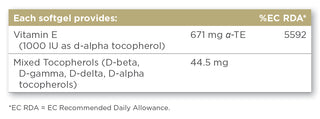
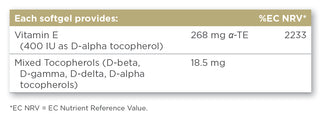
If you're considering a vitamin E supplement, it's worth speaking with a healthcare professional first, especially if you're pregnant, as high doses should be avoided during the first eight weeks of pregnancy. While you're unlikely to consume too much vitamin E from food, excessive amounts through supplementation can cause side effects, so it's best to stick to recommended doses.
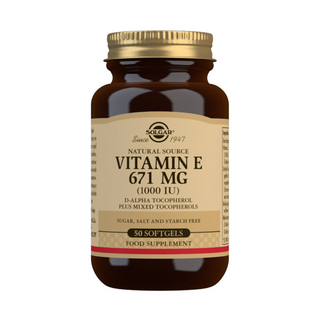
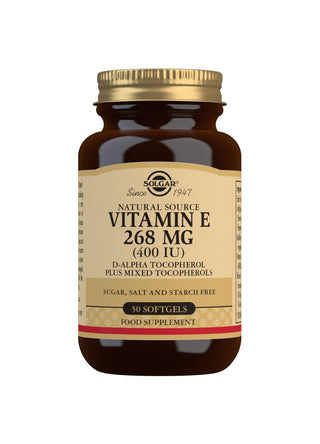
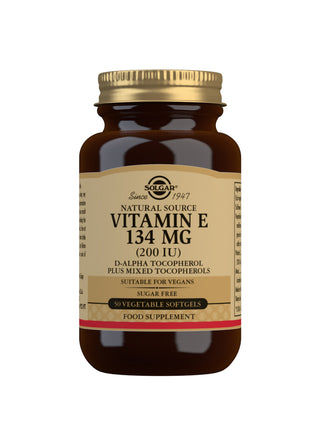
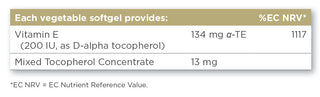
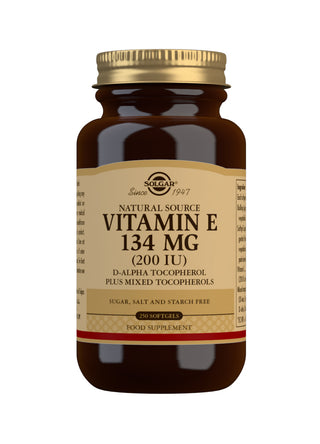
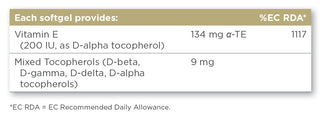
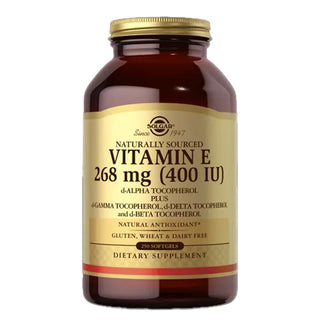
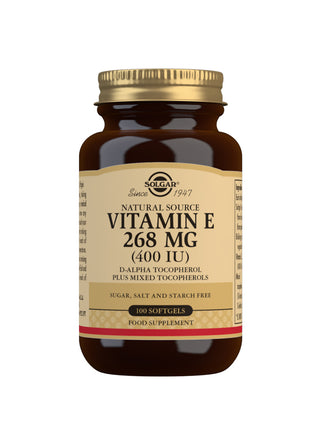
Our vitamin E supplements come in various forms, including capsules, soft-gels, and oils, so you can choose what works best for you.
Is vitamin E good for skin?
Vitamin E has earned its reputation as a skincare superstar. As a powerful antioxidant, it helps maintain a youthful, radiant complexion, and reduces signs of premature ageing. Vitamin E is often added to creams and serums to help with scars, dryness, and support healthy skin. If you're interested in topical vitamin E for your skincare routine, explore our vitamin E skincare collection.
Explore our range of vitamin E supplements to support skin health and strengthen your immune system.