Vitamin B9, commonly known as folate or folic acid, is a particularly important vitamin for your overall health and wellbeing. It's especially crucial during pregnancy, but it also plays a vital role in supporting energy levels, combating fatigue, and maintaining a healthy heart.
Vitamin B9: Supporting energy, development and heart health
Vitamin B9 exists in two forms: folate, which is the natural form found in foods, and folic acid, the synthetic form used in supplements and fortified foods. Your body cannot produce folate on its own, so you need to obtain it through your diet or supplements.
Many of us know folic acid is particularly important for women before becoming pregnant or during pregnancy, as it helps lower the risk of birth defects affecting the brain and spinal cord, making it critical to the healthy development of an unborn baby.
But getting enough B9 is important for both men and women. This essential nutrient plays a vital role in forming healthy red blood cells, ensuring your tissues and organs receive sufficient oxygen, which helps prevent fatigue and low energy. It’s also involved in DNA synthesis and repair, which is crucial for the growth and renewal of cells throughout your body, and it supports collagen synthesis for healthy, glowing skin.
As well as supporting your brain and heart, some research suggests folic acid may also help with depression, memory and thinking skills.
What foods are high in vitamin B9?
You can find folate naturally in a wide variety of foods, such as dark green leafy vegetables like broccoli and asparagus, beans, peanuts, liver, and eggs. Fruits rich in folate include melons, oranges, bananas, and papayas.
Folic acid (the synthetic form) is added to many fortified foods including breads, cereals, pasta, rice, and other grain products. It is more stable and absorbed more efficiently by your body than natural folate.
The NHS recommends that adults need 200 micrograms of folate a day. Since your body doesn't store folate long-term, it's important to get enough through your diet or take supplements to prevent deficiencies.
Should I take a folic acid supplement?
Most people can get enough folate from a balanced diet. However, you may need a folic acid supplement if you have a poor diet, certain conditions that prevent folate absorption, or you're planning a pregnancy.
Folate deficiency is quite common and can lead to folate-deficiency anaemia, causing the body to produce abnormally large red blood cells, which can lead to extreme tiredness, lack of energy, headaches, mouth ulcers, low mood, brain fog, anxiety, and depression. Folate deficiency affects men and women equally.
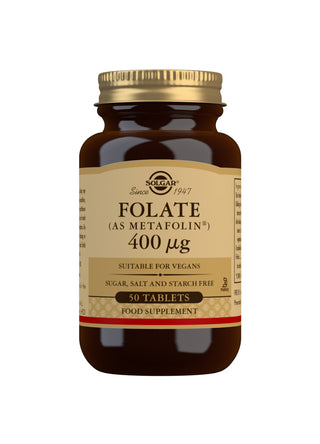
If you're planning to get pregnant, trying for a baby, or could become pregnant, it's recommended that you take a 400 microgram folic acid supplement daily, at least one month before trying to conceive and continue until you're 12 weeks pregnant.
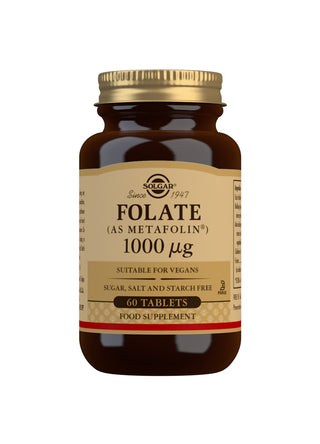
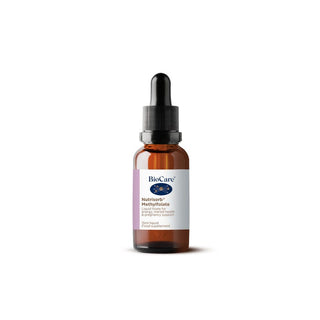
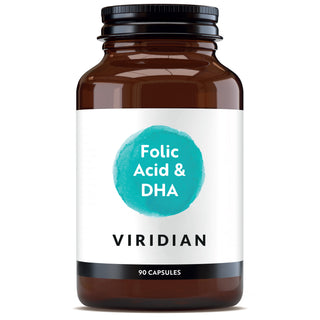
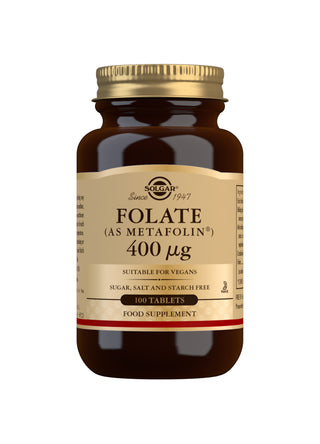
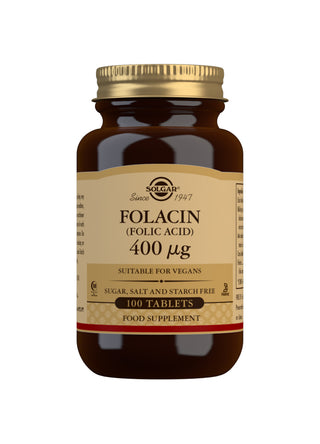
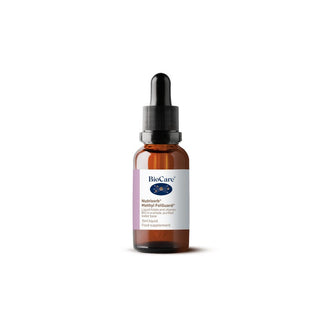
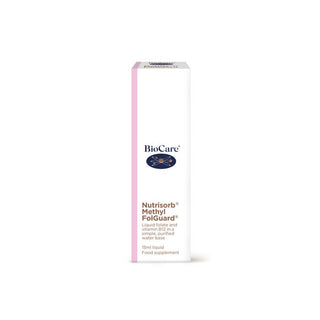
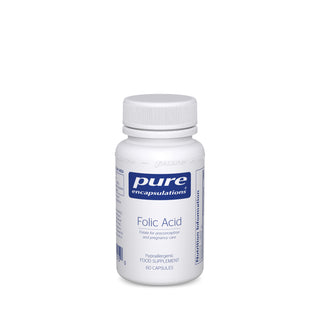
Our folic acid supplements come in tablet and capsule forms, including vegan formulations, and you can also find premium Vitamin B complex supplements with all eight essential B vitamins to support your overall health.
Sources
https://www.webmd.com/vitamins/ai/ingredientmono-1017/folic-acid#uses
https://www.nhs.uk/conditions/vitamins-and-minerals/vitamin-b/
https://www.mayoclinic.org/healthy-lifestyle/pregnancy-week-by-week/in-depth/pregnancy-nutrition/art-20045082