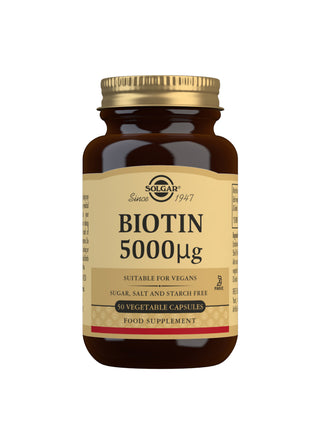
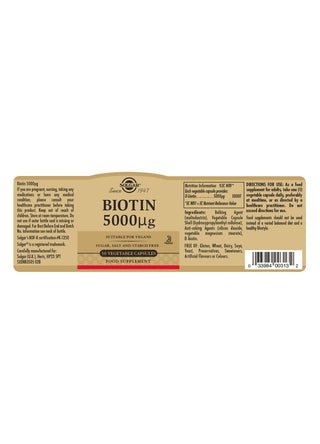
Biotin, also known as vitamin B7 or vitamin H, is essential for healthy hair, skin and nails. This water-soluble vitamin plays an important role in helping your body convert food into energy and supporting cell reproduction. Find the best biotin supplements to support your daily wellness routine.
Vitamin B7: Support for skin, hair and nails, and metabolism
What does biotin do?
Biotin's name comes from the Greek word "biotos," meaning "sustenance" or "life-giving" – fitting for a key nutrient your body relies on daily to keep properly fuelled. One of its most important roles is helping your body break down carbohydrates, fats and proteins to turn them into energy. Your body also uses biotin to help cells reproduce properly, and it’s involved in the production of keratin, which is why it's particularly important for healthy skin and hair, both of which have a high cell turnover.
This essential nutrient also helps maintain healthy neurons in your brain and supports your nervous system. It's also vital for regulating genes.
Because biotin is water-soluble, your body doesn't store it, which means you need a fresh supply through diet or supplements every day.
What foods are high in vitamin B7?
You can easily get your required biotin intake through a balanced diet. Good sources include cooked eggs (as absorption is blocked by a protein in raw egg whites), beef liver and kidney, salmon and sardines. Dairy products like milk and cheese also contain biotin.
Plant-based sources include sweet potatoes, roasted almonds, spinach, broccoli, and bananas.
Interestingly, bacteria in the large intestine can produce small amounts of biotin, and some of this may be absorbed. However, most biotin is obtained and absorbed from the diet in the small intestine, and the contribution from gut bacteria is likely modest. Biotin deficiency remains rare primarily because it is widely available in foods, with bacterial production playing a supporting role rather than being the main source.
However, symptoms of deficiency can include hair loss, scaly red rashes, and brittle nails, as well as tiredness and muscle pain.
Should I take a biotin supplement?
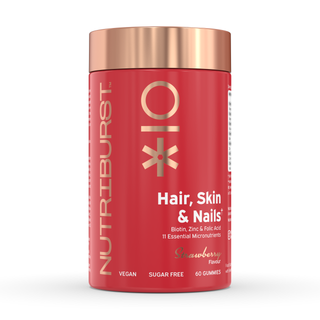
Most people get enough biotin from a balanced diet, but if you have a deficiency, supplements can be beneficial. Biotin deficiency can cause hair loss and dry skin, which is why biotin supplements are popular for supporting healthy hair, skin and nails.
While there isn't enough research to say biotin definitively helps grow hair, it has been shown to help prevent balding and hair loss and is primarily used for alopecia[1]. Research also suggests biotin may improve brittle nails.[2] Similarly, some research links biotin deficiency to skin conditions like dermatitis and acne scarring.[3]
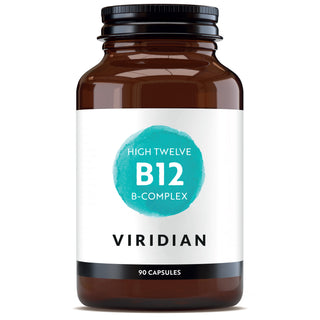
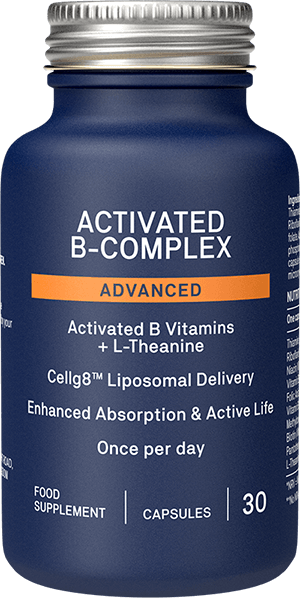
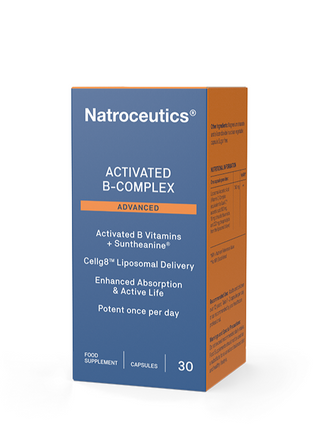
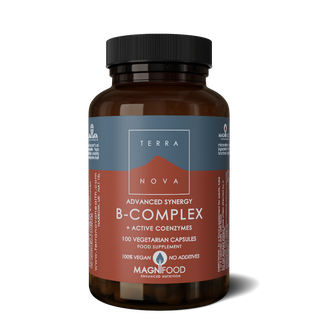
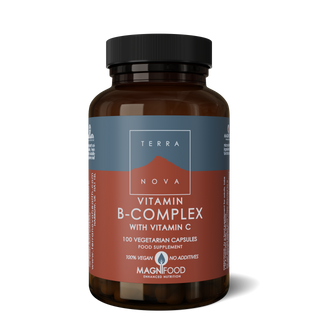
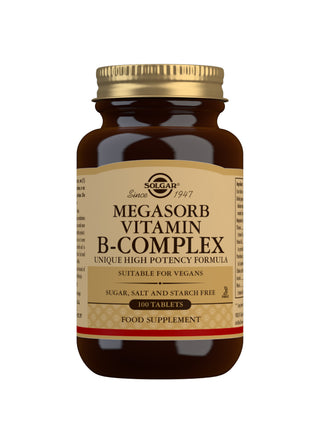
You can take biotin as an individual supplement or as part of a B-complex formula, which contains all the B vitamins.
The NHS recommends not taking more than 0.9mg a day, as excessive doses might be harmful.
Should you take biotin during pregnancy?
Research suggests that women are at risk of mild biotin deficiency during pregnancy, particularly in the first trimester. About a third of pregnant women develop this mild deficiency, which is why supplementation can be beneficial.[4] However, high doses of biotin can be harmful to the baby. Always check with your doctor if you're unsure about supplementation during pregnancy.
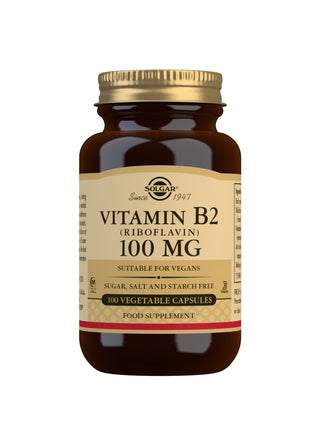
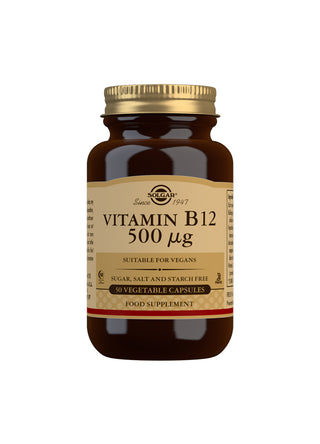
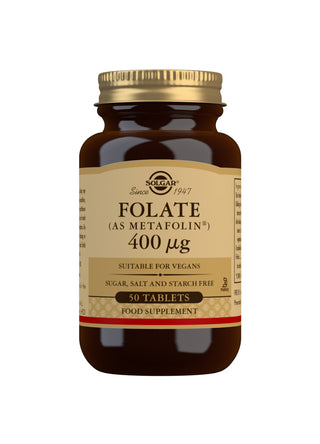
Discover our range of premium biotin supplements, or explore our Vitamin B complex formulas containing all eight essential B vitamins.