Support your energy, focus and nervous system with vitamin B1. This essential B vitamin keeps your brain sharp, your nerves strong, and helps your body turn food into energy. Discover how B1 works and when supplements can help.
What are the main benefits of vitamin B1?
Vitamin B1, also known as thiamine, is essential for turning carbohydrates from the food you eat into energy your brain, nerves and heart can actually use. Your brain and nervous system require high energy to function, and when B1 levels drop, you'll likely experience brain fog, fatigue, irritability, and difficulty concentrating.
B1 also helps maintain the protective layer around your nerves, which makes it vital for your nervous system to work properly. Steady nerves, clear thinking, better balance are just some of the benefits you'll get from sufficient vitamin B1. It also plays a key role in helping you recover after illness or injury, ensuring your cells get the fuel they need to regenerate. Some research even suggests that B1 may help ease PMS symptoms like fatigue, cramping, and appetite changes.
As vitamin B1 is water-soluble, your body doesn't actually store it, so you need a steady supply daily through food or supplements. Your body can't make thiamine on its own, and it has a notoriously short half-life, which means deficiency can happen quickly if your diet falls short.
What foods are high in vitamin B1?
You can easily get your daily requirement from a variety of everyday foods. Vitamin B1 is found in food sources such as pork, whole grains, fortified cereals, nuts, peas, beans, fish, and fresh vegetables. Since it's present in both plant and animal foods, it's perfectly accessible through a vegan diet too.
The NHS recommends 1mg a day for men and 0.8mg a day for women. Just one serving of fortified breakfast cereal provides 1.2mg of thiamine – enough to meet the daily recommendation for most adults.
It’s worth knowing that some foods and drinks can inhibit thiamine absorption, including coffee, black tea, chocolate, and alcohol. If you consume these regularly, you may need to be more mindful of your B1 intake.
Should I take a vitamin B1 supplement?
If you eat a healthy, well-balanced diet, you're likely getting all the thiamine you need. However, certain situations can increase your risk of deficiency. Your lifestyle can make a big difference – frequent alcohol consumption depletes B1 levels, as do chronic stress, intense athletic activity, and diets high in refined carbohydrates and sugars. Medical conditions like diabetes, HIV/AIDS, pregnancy-related sickness, and ongoing nausea or vomiting can also affect how well your body absorbs vitamin B1, increasing your risk of deficiency.
When B1 levels drop, the effects can be noticeable. Your brain relies heavily on glucose for energy, and vitamin B1 ensures glucose is efficiently converted into fuel for your brain. Without adequate B1, you may experience fatigue, brain fog, irritability, anxiety, and low mood. Supplementation or dietary changes can help restore emotional balance and calm your nervous system.
Chronic deficiency can lead to serious neurological and cardiovascular issues, so if you fall into any of these groups, it's worth speaking with a healthcare professional about whether supplements might help.
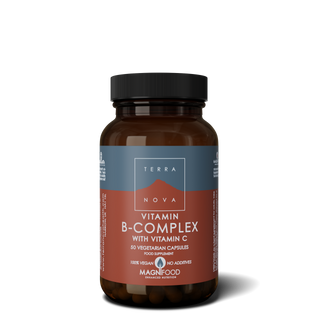
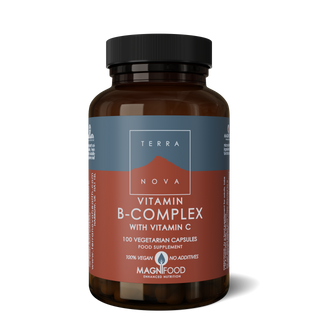
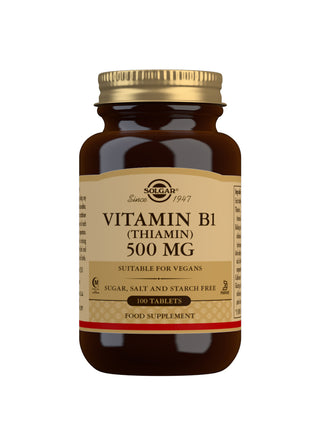
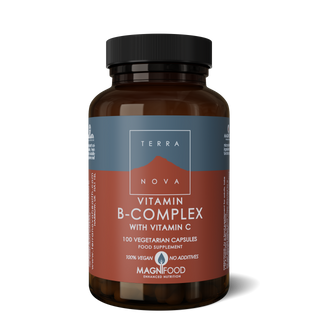
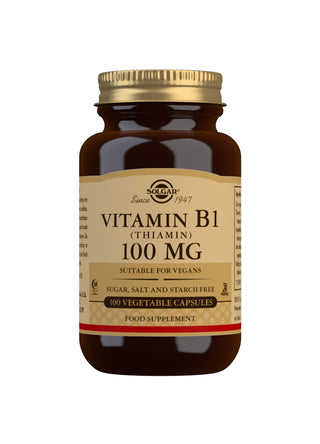
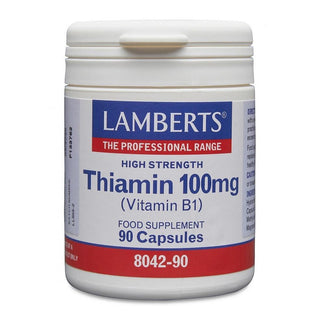
Explore our range of vitamin B1 supplements to support energy, focus and a healthy nervous system.