Skip to content
Free Delivery on Orders over £35
Free Pickup in Store

It's important to get enough vitamin B6 in your diet. Also known as pyridoxine, this essential nutrient supports energy, mood, red blood cell production, helps fight fatigue, regulates hormones, and keeps your nervous system healthy. Discover what B6 does and when supplements might help.

Vitamin B6: Supporting energy, mood and brain health

What does vitamin B6 do?

Vitamin B6, or pyridoxine, has significant health benefits for the body. It’s highly versatile and involved in more biochemical processes than any other B vitamin, so getting enough through your diet or supplements is crucial to stay healthy.[1]

B6 supports brain health, immune function and hormone regulation. It contributes to normal energy-yielding metabolism and helps reduce tiredness and fatigue. It also plays a role in normal red blood cell formation and supports the normal function of your nervous systems. Beyond these important roles, B6 is a potent antioxidant, working to neutralise free radicals and support cellular metabolism and wellbeing.

Research suggests B6 may also help ease anxiety, depression, and PMS symptoms – likely because it plays a key role in creating neurotransmitters that regulate our mood. Studies show that B6 may also be helpful in preventing and treating anaemia caused by deficiency, and it's been used for decades to help with nausea and vomiting during pregnancy.

Because your body cannot store B6, you need a daily supply through food or supplements.

What foods are high in vitamin B6?

The good news is that B6 is found in a wide variety of foods. Good sources include fish, poultry, beef liver, potatoes, peanuts, and non-citrus fruits like bananas. You should be able to get all the B6 you need from a healthy, balanced diet.

However, like the other B vitamins, B6 is water-soluble, which means some of its properties are lost when foods are washed or boiled, so incorporating some raw or gently cooked sources is recommended.

The NHS recommends that adults (aged 19-64) need about 1.4mg a day for men and 1.2mg a day for women.

Unlike many other B vitamins, your body can produce a small amount of B6 through bacteria naturally living in your bowel – but only in small quantities. So, it's important to get enough through your diet.

Should I take a vitamin B6 supplement?

If you eat a varied, balanced diet, you're likely getting all the B6 you need. However, if your diet falls short, taking a B6 supplement can be beneficial. If you're concerned about not getting enough B6 from your diet or want to give your immune system extra support, a vitamin B6 supplement is worth considering. You can also choose a B-complex supplement, which includes all the B vitamins.

When taking B6 supplements, it's important not to take too much. Taking 200mg or more a day can lead to a loss of feeling in the arms and legs, known as peripheral neuropathy. Always follow recommended dosages.

Should you take B6 during pregnancy?

If you're pregnant, you may sometimes be prescribed B6 to help with nausea. Pregnant people also have an increased demand for B6, so if you're struggling to get enough from your diet, supplementation at normal doses could be helpful.

However, speak to your doctor before taking B6 supplements for the first time during pregnancy. It's worth noting that the Royal College of Obstetricians and Gynaecologists state that the only B vitamin you need to supplement during pregnancy is folic acid.

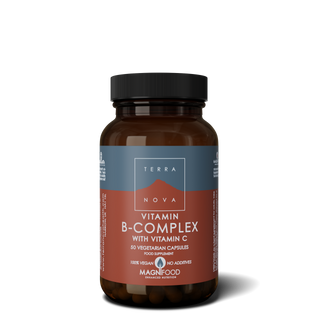
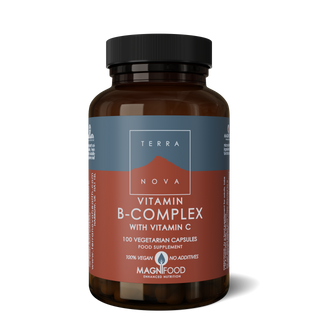
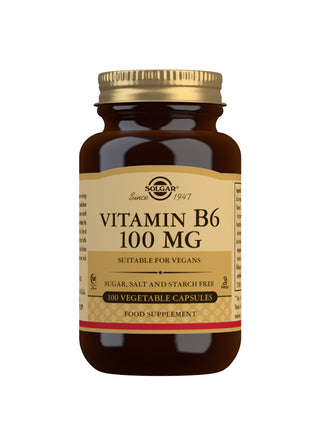
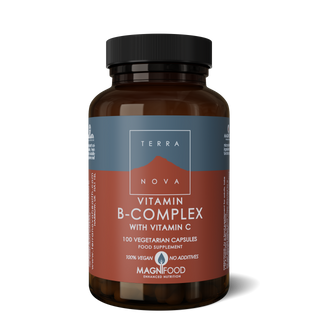
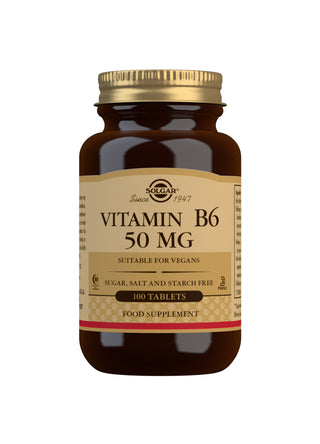
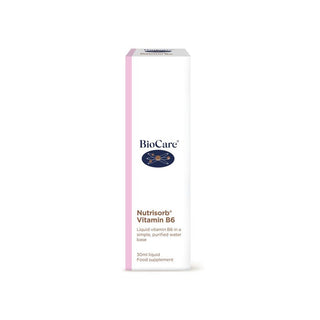
Browse our range of premium vitamin B6 supplements and B-complex formulas to support your health.

Sources

https://www.webmd.com/vitamins/ai/ingredientmono-934/pyridoxine-vitamin-b6#uses

https://www.healthline.com/nutrition/vitamin-b6-benefits#TOC_TITLE_HDR_9

https://www.nhs.uk/conditions/vitamins-and-minerals/vitamin-b/


[1] https://ods.od.nih.gov/factsheets/VitaminB6-HealthProfessional/