Skip to content
Free Delivery on Orders over £35
Free Pickup in Store

Your body runs on B vitamins. This family of eight essential nutrients converts food into energy, supports your nervous system, and plays a vital role in everything from brain function to healthy skin.

What are B vitamins and why do you need them?

Ever wonder why you feel foggy when you skip lunch, or why stress leaves you exhausted? B vitamins are often the answer. This group of eight water-soluble nutrients works together to keep your body running smoothly. Each one has its own job, but together they convert nutrients into energy and support vital functions like brain health, cell metabolism, and immune response.

They are known as the anti-stress vitamins because they can have a calming effect on the nervous system during stressful times, whether you're juggling deadlines or dealing with illness. They're also crucial for brain function, liver health, and keeping your skin, hair, and eyes healthy.

What are the different types of Vitamin B?

The B vitamin family is made up of eight distinct nutrients, each with its own role. Here's what each one does:

  • B1 (Thiamine) converts nutrients into energy and supports metabolism.
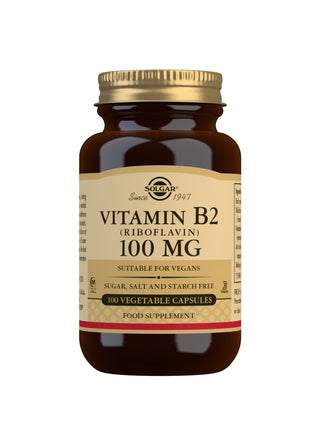
  • B2 (Riboflavin) turns food into energy and acts as an antioxidant.
  • B3 (Niacin) plays a role in cellular signalling, metabolism, and DNA production and repair.
  • B5 (Pantothenic Acid) helps your body obtain energy from food and supports hormone and cholesterol production.
  • B6 (Pyridoxine) is involved in amino acid metabolism, red blood cell production, and neurotransmitter creation.
  • B7 (Biotin) supports carbohydrate and fat metabolism and regulates gene expression.
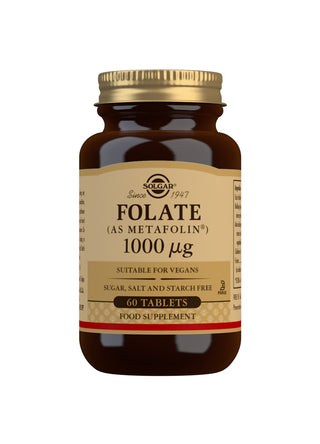
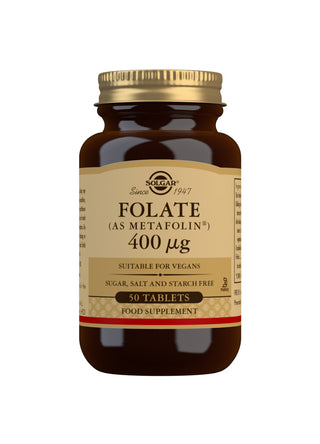
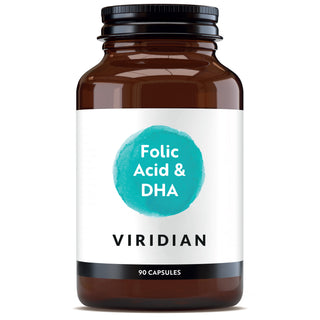
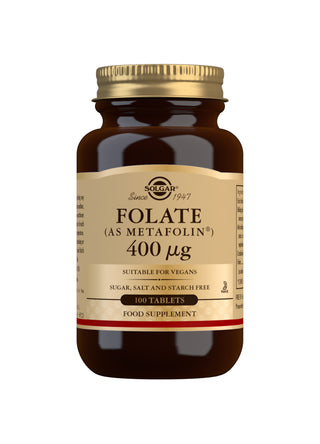
  • B9 (Folate) supports cell growth, red and white blood cell formation, and proper cell division. In supplements, it's often found as folic acid.
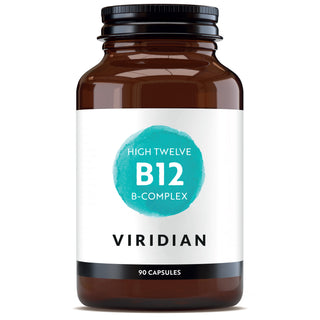
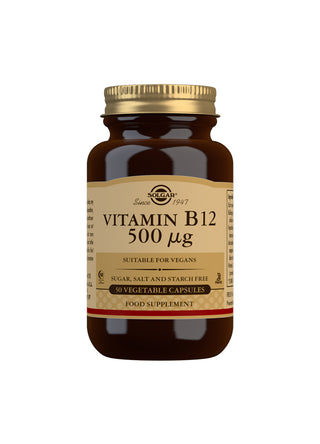
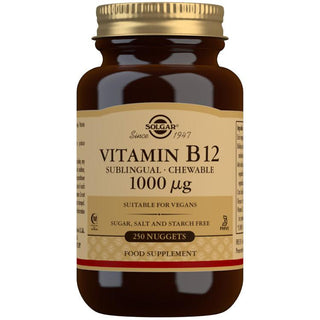
  • B12 (Cobalamin) is vital for neurological function, DNA production, and red blood cell development.

What foods are high in vitamin B?

You'll find vitamin B in quite a few everyday foods. For instance, meat, fish, poultry, eggs, and dairy are all excellent sources, especially for B12. And if your diet is plant-based, you'll get B vitamins from leafy greens, legumes, seeds, whole grains, and fortified foods like enriched pasta, bread, and breakfast cereals.

That said, consistency is the challenge. Vegetarians and vegans may not get sufficient levels of B12, while anyone going through a demanding period – pregnancy, high stress, illness – may need more of these essential nutrients than usual.

Should I take a vitamin B supplement?

Most people can get enough B vitamins through a varied diet. But it’s not always straightforward.

If you're vegetarian or vegan, getting B12 is tricky – it's almost exclusively in animal products, and you may also struggle to get enough folate without carefully planning your meals. Pregnant women also need extra folate (usually taken as folic acid), which helps support healthy fetal development. It’s worth knowing that older adults often absorb B12 less efficiently as they age, which can affect energy and brain function. And if you're going through a particularly stressful or tiring period, B vitamins can help – low levels are linked to fatigue, irritability, and a weakened immune response.

If any of that sounds familiar, or if your diet doesn't regularly include B-vitamin-rich foods, supplements can be a good option.

What is a B-complex supplement?

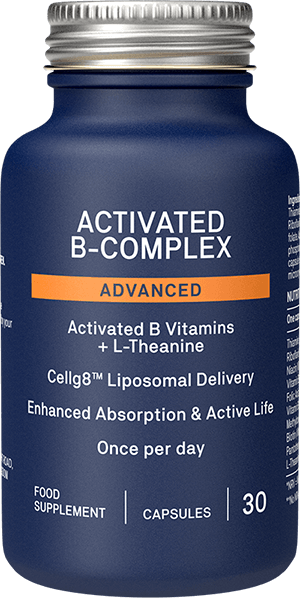
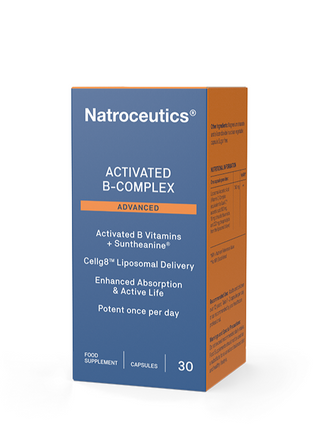
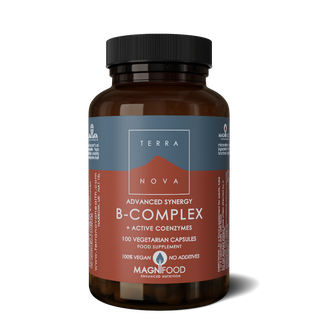
B-complex gives you all eight essential B vitamins in one supplement. The reason they're often taken together is that they work synergistically, meaning they support each other in energy production, brain function, and cellular metabolism. So, taking them together helps prevent imbalances.

That said, some people do need higher doses of specific B vitamins – for example if you’re expecting, or if you follow a strict vegetarian or vegan diet. If you're unsure what you need, it's worth chatting with your doctor or a nutritionist.

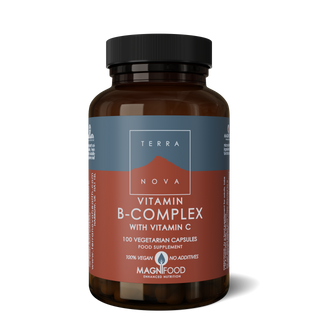
Explore our range of vitamin B supplements to support energy, brain health and overall vitality.