Skip to content
Free Delivery on Orders over £35
Free Pickup in Store

Vitamin A is one of the true staples of good health. While you may recognise it as retinol in your skincare, its real work happens beneath the surface – maintaining everything from your immune response to how clearly you see in low light.

What are the main benefits of Vitamin A?

Vitamin A (commonly known as retinol) is a powerful nutrient that supports your immune system, vision and overall health. It's often called the "anti-inflammation vitamin" because of its role in supporting the body's defence against infection. As an antioxidant, it protects your cells from damage caused by free radicals, which contribute to ageing and long-term diseases like heart disease. Famously, it also supports your vision in dim light (it’s what helps your eyes adjust when you walk into a dark cinema).

Beyond these benefits, Vitamin A also supports reproductive health in both men and women – from fertility to healthy pregnancy and your baby's development. And for the skin, it helps your body with the daily replacement of the skin cells and works from within to prevent breakouts and manage inflammatory skin concerns like acne and eczema.

What are the best food sources for Vitamin A?

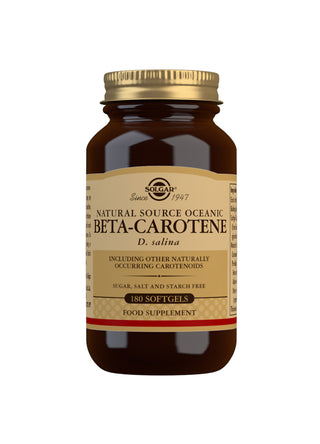
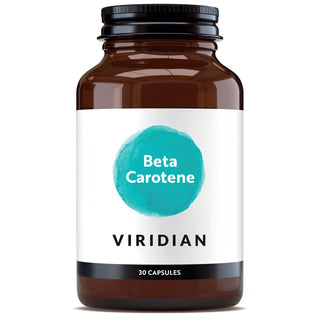
Vitamin A comes in two forms, as retinol and beta-carotene. You get retinol from animal sources like eggs, oily fish, and (if you’re brave) beef liver. You’ll find beta-carotene in bright oranges and greens like sweet potatoes, mango, apricots and spinach, which your body converts into Vitamin A.

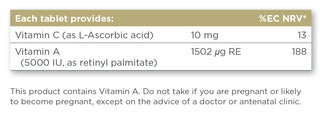
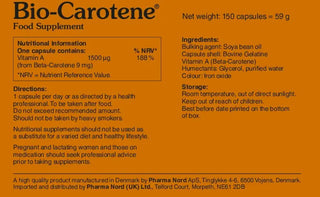
The recommended daily amount is 700µg for men and 600µg for women. Most people can meet this through a healthy balanced diet, but supplements can help if you're not getting enough from food alone.

Should I take a Vitamin A supplement?

Most people can get enough vitamin A through a balanced diet. But it's not always straightforward, as food loses nutrients from the moment it's grown to when it reaches your plate. Even how you cook matters; for example, high heat from frying can break down vitamin A, which is sensitive to heat, oxygen, and light.

Some people may find supplements particularly helpful. If you have a condition that affects nutrient absorption – like Crohn's disease, celiac disease, or cystic fibrosis – getting enough from food alone can be challenging. The same goes for those following plant-based diets without adequate beta-carotene-rich foods.
Pregnant women also need slightly more vitamin A to support their baby's healthy development, though it's a bit of a balancing act. If you’re pregnant, it’s worth speaking with a healthcare professional about whether vitamin A supplements are right for you.

Is vitamin A good for your skin?

There's a reason it's known as the “skin vitamin”. Vitamin A supports natural cell turnover, which helps to refine the skin’s texture and reduce the appearance of fine lines – the result is smoother, more even-toned skin. It's often called the gold standard in anti-ageing, working to keep your complexion looking its best. While supplements support your skin from within, topical retinols tackle surface concerns more directly. If you're interested in topical vitamin A products, explore our retinol skincare collection.

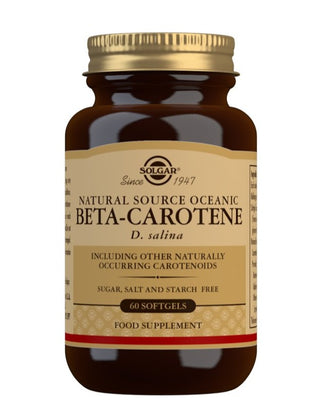
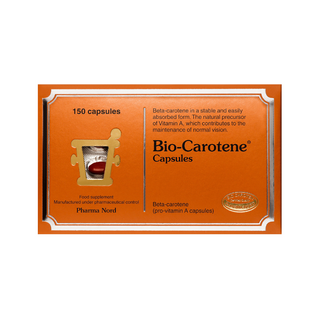
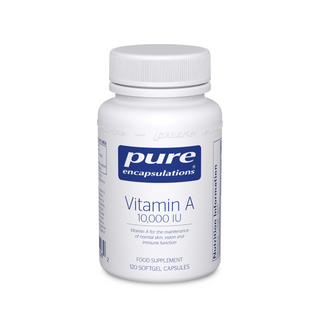
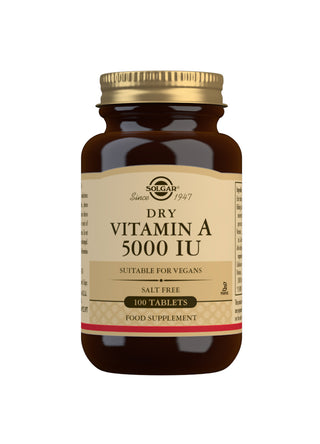
Explore our selection of vitamin A supplements that support healthy skin, vision, and immunity.

Sources

https://research.reading.ac.uk/research-blog/2023/04/10/frozen-and-tinned-foods-can-be-just-as-nutritious-as-fresh-produce-heres-how/

https://www.webmd.com/beauty/nutrients-for-healthy-skin

https://www.nhs.uk/conditions/vitamins-and-minerals/vitamin-a/

https://medlineplus.gov/ency/article/002400.htm

https://www.sciencedirect.com/science/article/abs/pii/S0891584998002664

https://www.theguardian.com/environment/2024/mar/28/vegetables-losing-nutrients-biofortification

https://www.frontiersin.org/journals/animal-science/articles/10.3389/fanim.2024.1484262/full