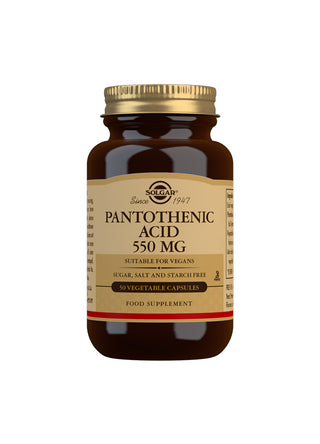
From your skin to your hormones, vitamin B5 plays an important role in keeping your body healthy. Also known as pantothenic acid, this essential B vitamin helps turn food into energy and supports everything from mental clarity to hormone production. Discover what B5 does and when supplements might help.
Vitamin B5: Keeping your body energised and your skin healthy
Vitamin B5, also known as pantothenic acid, is an important member of the B vitamins. Like all B vitamins, it's a water-soluble vitamin that helps your body convert food into energy. But B5 does a lot of other good work for your body too.
It helps produce red blood cells, supports the creation of steroid hormones like cortisol, testosterone and oestrogen, and helps process vitamin D. It also helps maintain healthy mental performance, reduces fatigue, and keeps your skin and nervous system healthy.
Because B5 is water-soluble, your body doesn't store it – you need a fresh supply every day through food or supplements.
What foods are high in vitamin B5?
The NHS notes that no specific daily amount has been set in the UK for pantothenic acid. You should be able to get all you need from your daily diet. Pantothenic acid comes from the Greek word "panto," which means "everywhere", and that's exactly where you'll find it.
Good animal-based sources include chicken, beef, kidney, eggs, and dairy products. Plant-based sources include mushrooms, avocado, lentils, kale, and wholegrain cereals. While deficiency may lead to fatigue, headaches, and numbness in the hands and feet, because B5 is found in so many different foods, deficiency is incredibly rare.
It’s worth knowing that B5 is sensitive to heat. Boiling can reduce pantothenic acid by up to 67%, so steaming or microwaving helps preserve it better.[1]
Why take a vitamin B5 supplement?
If you’re eating a balanced diet with plenty of fresh fruits, vegetables, protein, and wholegrain foods, you may not need a B5 supplement. However, some people may find them helpful. Early research suggests B5 might support metabolism and cholesterol levels, with studies indicating high doses can help people with high cholesterol.[2]
Pantothenic acid has also been found to help the skin recover from acne. In 2014, researchers discovered that people taking 2.2g of B5 daily for 12 weeks reported fewer spots and improved skin quality.[3]
Your body requires vitamin B5. So, if you don't get enough from your diet, a supplement can be beneficial. You can find B5 supplements in single-nutrient or B-complex forms to suit your needs.
Find the best Vitamin B5 supplements to support your energy and keep your skin healthy.