Vitamin K is a crucial nutrient that offers significant health benefits. It helps wounds heal properly, keeps bones strong and healthy, and even supports your heart – yet it's often overlooked. Here's how vitamin K works and when supplements might be helpful.
What does vitamin K do?
As an essential nutrient, Vitamin K plays a crucial role in keeping you healthy. One of its most important functions is helping your body form blood clots, which helps wounds heal properly. Without enough vitamin K, even a small cut could lead to excessive bleeding. It’s also important for keeping your bones strong and your heart healthy.
Some studies suggest that getting more vitamin K can lower your risk of bone fractures and low bone density (osteopenia). Research also indicates that foods rich in vitamin K can protect against cardiovascular disease. Scientists are exploring additional potential benefits of vitamin K too, including its ability to alleviate morning sickness and support critical cognitive functions such as thinking and memory.
Getting enough vitamin K, whether through a balanced diet or supplements, is therefore an important part of looking after your overall health.
What are the best sources of vitamin K?
We get vitamin K mainly from the food we eat, and some of it also comes from the good bacteria that live in our gut. Vitamin K exists in two main forms: Vitamin K1, found primarily in dark, leafy green vegetables, and Vitamin K2, which we get from animal products and fermented foods.
The richest sources of vitamin K1 are leafy greens like kale, spinach, broccoli, and Brussels sprouts. Just half a cup (59g) of cooked kale, for example, provides over 200% of your daily requirement. Vitamin K2 is found in lean meats, certain cheeses, and fermented foods like natto (fermented soybeans).
Interestingly, plants depend on vitamin K1 for photosynthesis – so when you eat kale, spinach or broccoli, you're essentially consuming the very nutrient plants use to convert sunlight into energy.
As for how much you need, the NHS recommends approximately 1µg of vitamin K per kilogram of body weight. So if you weigh 75kg, you'd need around 75µg daily.
Should I take a vitamin K supplement?
Although deficiencies are rare, it's important to make sure you're getting enough vitamin K through your diet. If you eat a varied, healthy diet with plenty of leafy greens and vegetables, you're likely getting all the vitamin K you need.
That said, some groups may find supplements helpful. For example, if you have a condition that affects nutrient absorption, such as Crohn's disease or active celiac disease, if you're severely malnourished, or if you drink alcohol heavily. In these cases, it's worth speaking with a healthcare professional about whether supplements are right for you.
If you're taking blood-thinning medication like warfarin, always speak to your GP or pharmacist before taking a vitamin K supplement, as it can affect how these medicines work.
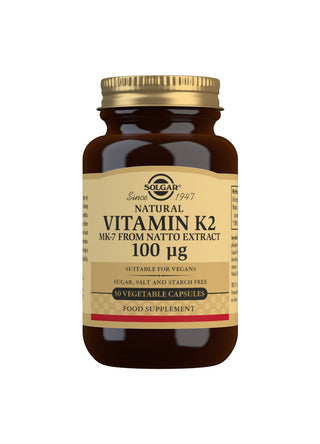
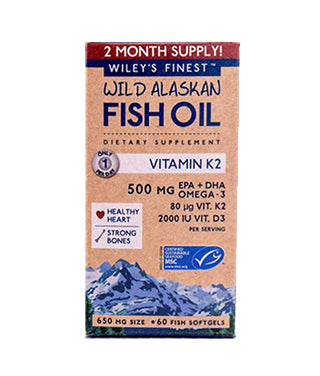
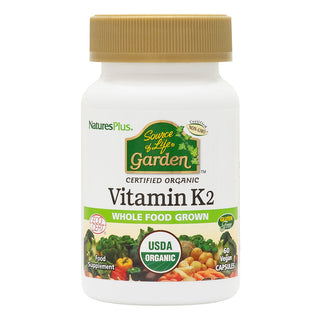
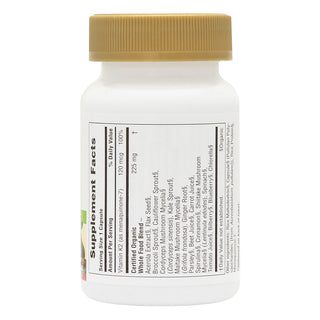
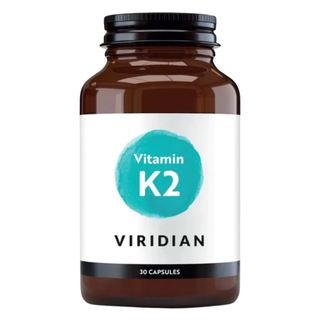
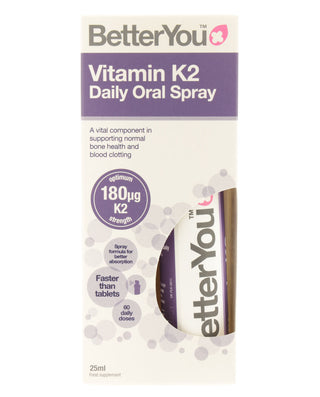
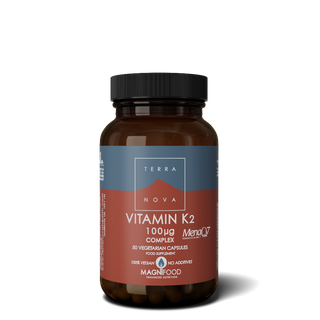
Vitamin K is often combined with other nutrients like vitamin D and calcium to support healthy bones. Our vitamin K supplements come in various forms, including capsules and oral sprays, and are suitable for vegetarians and vegans, so you can choose what works best for you.
Explore our range of vitamin K supplements, which are essential for blood clotting and healthy bones.