
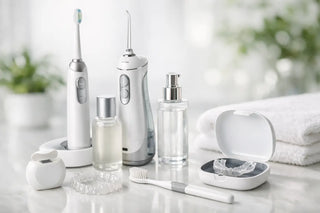
A premium dental routine is not defined by a beautifully designed toothpaste tube alone. The best premium dental care products earn their place through thoughtful formulation, effective tools and a clear role in protecting the teeth and gums over time. For many people, the greatest improvement comes not from adding more products, but from choosing a few well-considered essentials and using them consistently.
Oral care is a particularly personal category. Sensitivity, gum irritation, staining, dry mouth and orthodontic work all call for a different approach. A considered routine should feel refined, certainly, but it should also address your individual needs without being unnecessarily complicated.
What Makes Premium Dental Care Worth Considering?
Premium dental care often brings greater attention to formulation, texture, flavour and delivery. This might mean a toothpaste with a carefully balanced level of fluoride alongside ingredients selected for sensitivity or enamel support, or an electric toothbrush with pressure sensing and tailored brushing modes.
There is, however, no benefit in paying for features that do not suit your routine. A whitening toothpaste may be an excellent choice for surface stain maintenance, for example, but it is not always the right daily option for someone with marked sensitivity. Similarly, the most advanced electric toothbrush will only deliver its value when used for the full recommended brushing time, twice daily.
The most worthwhile choices tend to combine clinical principles with a more enjoyable daily experience. When oral care feels considered rather than perfunctory, consistency becomes easier to maintain.
Best Premium Dental Care Products by Routine Step
A fluoride toothpaste matched to your concern
Toothpaste is the foundation of every routine. Fluoride remains the central ingredient for helping to protect against tooth decay, so it is worth checking that a daily toothpaste contains an appropriate fluoride level for adults. Beyond this essential, select according to your priority.
For sensitive teeth, look for formulations designed to help reduce the sensation caused by hot, cold or sweet foods and drinks. These are best used regularly, rather than only when discomfort appears. If enamel is a concern, choose a toothpaste positioned for enamel care and avoid overly abrasive products, particularly if you brush with enthusiasm.
Whitening toothpaste can be useful for lifting or limiting everyday surface staining from coffee, tea, red wine and tobacco. It cannot alter the natural shade of the teeth or replicate professional whitening. The most elegant approach is often a gentle whitening formula used alongside sound brushing technique, rather than an aggressive daily polish.
An electric toothbrush with pressure control
A quality electric toothbrush can bring meaningful precision to brushing, particularly for those who tend to rush or press too hard. Oscillating-rotating and sonic designs can both be effective. The better choice depends on what feels comfortable, what your dentist or hygienist recommends and which brush head style you are most likely to use correctly.
Pressure sensors are a particularly valuable feature. Overbrushing can contribute to gum recession and wear near the gumline, so a brush that alerts you when pressure is excessive provides a useful safeguard. A built-in timer and quadrant pacing are equally practical, helping to turn two minutes into a reliable habit rather than a rough estimate.
Premium models may offer app connectivity, multiple modes and travel cases. These can be appealing, but the essentials are a comfortable handle, accessible replacement heads, dependable battery life and gentle, thorough cleaning.
Interdental cleaning that you will genuinely use
Brushing alone does not adequately clean between the teeth. Interdental brushes, floss and water flossers each have a place, and the ideal choice depends on the spaces between your teeth, existing dental work and personal preference.
Interdental brushes are often an excellent option where there is enough space to accommodate them. They are available in different sizes, and a dental professional can advise on the most suitable fit. The brush should pass through with gentle resistance, never force. For tighter contacts, floss or tape may be more appropriate.
Water flossers can be a welcome addition for people with braces, bridges, implants or limited dexterity. They offer a comfortable, convenient way to dislodge debris, though they are best viewed as part of a broader cleaning routine rather than a substitute for professional advice on interdental care.
A mouthwash with a defined purpose
Mouthwash is optional, not a replacement for brushing or interdental cleaning. Its value lies in choosing one that serves a specific function. A fluoride mouthwash may suit someone seeking additional daily support against decay, while alcohol-free options can feel more comfortable for those prone to dryness or irritation.
If a dentist has recommended an antibacterial rinse for gum concerns, follow their directions carefully. Some therapeutic mouthwashes are designed for short-term use and may not be appropriate as a permanent addition to a routine. As a general rule, avoid rinsing immediately after brushing with fluoride toothpaste, as this can wash away the concentrated fluoride left on the teeth. Use mouthwash at another point in the day where possible.
Specialist care for sensitivity, dry mouth and gum concerns
Targeted products can make a noticeable difference when they answer a genuine concern. A sensitivity gel or serum may complement an everyday sensitive toothpaste. Dry-mouth sprays, gels and lozenges can provide comfort for those affected by medication, dehydration or other causes of reduced saliva flow.
Gum care deserves particular attention. Bleeding when brushing or cleaning between the teeth should not simply be accepted as normal. It can be a sign of gum inflammation, and it is sensible to seek guidance from a dentist or hygienist, especially if it persists. The right products can support a routine, but they cannot replace assessment or professional cleaning when it is needed.
How to Build a Refined Daily Dental Routine
An effective routine need not involve a crowded bathroom shelf. Begin with fluoride toothpaste and a toothbrush that encourages gentle, complete brushing. Clean between the teeth once a day using the method that is appropriate and comfortable for you. Add a targeted product only when it addresses a clear need, such as sensitivity, dry mouth or additional fluoride support.
Technique matters as much as product choice. Hold the brush gently at the gumline and use small, controlled movements rather than scrubbing. Spend time on the inner surfaces of the teeth, which are easy to neglect, and clean the tongue lightly if it feels comfortable. Replace manual toothbrushes or electric brush heads when bristles begin to splay, usually around every three months, or sooner after illness.
For whitening, protect the results of any professional treatment with a gentle maintenance routine and measured expectations. For sensitivity, be patient: improvement may take several weeks of consistent use. If pain is sharp, localised or persistent, book a dental appointment rather than trying to manage it with increasingly specialist products.
Choosing Premium Products with Confidence
The strongest premium routine is one that respects both evidence and individual preference. Consider whether a product has a purpose in your routine, whether its ingredients and format suit your concern, and whether you will enjoy using it every day. Sophisticated packaging and sensorial flavour can elevate the experience, but they should sit alongside fluoride protection, gentle cleaning and practical design.
John Bell & Croyden's approach to premium personal care recognises that daily essentials can be both purposeful and pleasurable. Whether you are refining a dependable routine or seeking support for a specific concern, choose fewer products with clearer roles. Your dentist or hygienist remains the best source of tailored guidance, particularly where sensitivity, bleeding gums, dental restorations or persistent discomfort are involved.
A note on dental care as a gift
Oral care is not an obvious present, and an unrequested one can feel more like a hint than a treat. There are two exceptions worth knowing about, though. The first is the specifically requested upgrade: if someone has said they want a better electric toothbrush, a quality model with pressure control is a genuinely welcome gift rather than a comment on their habits. The second is the premium curiosity - a product interesting enough to be a gift in its own right. Theodent is a good example: a luxury, fluoride-free toothpaste built around theobromine, a compound found naturally in cacao, which the brand refines into a purified active it calls Rennou. It is often described as chocolate-derived, but the fats and sugars of ordinary chocolate are removed; what remains is an enamel-focused active that the company's research associates with strengthening the surface of the teeth. The children's version is formulated to be safe if swallowed, which the brand highlights as an advantage for young children who tend to swallow toothpaste. At a premium price it is a considered gift for someone who takes their oral care seriously and enjoys a genuinely unusual product, rather than a throwaway novelty. For gifts with broader appeal, our wellness gift guide and beauty gift ideas are better starting points.
A well-chosen toothbrush, toothpaste and interdental cleaner are modest rituals with long-term value. Treat them as part of your wider wellbeing routine: consistent, considered and worth doing properly.