
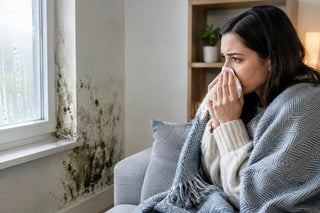
A musty smell in the bedroom, condensation gathering on the inside of windows, or a dark patch behind a wardrobe can be easy to dismiss in colder months. Yet damp, mould and your health this winter are more closely connected than many people realise. As homes are sealed against the cold, moisture has fewer opportunities to escape, creating conditions that can affect everything from respiratory comfort to sleep quality.
Addressing the cause early helps protect both your home environment and your wellbeing throughout the winter months.
Why Winter Creates the Perfect Conditions for Damp and Mould
Damp describes unwanted moisture within a building. It may result from condensation, leaking pipes, damaged roofing, overflowing gutters or moisture rising from the ground. Mould is a fungus that grows where moisture is allowed to linger.
Winter often creates the perfect conditions for condensation. Everyday activities such as showering, cooking, drying laundry indoors and simply breathing release water vapour into the air. When that warm air meets a cold surface, such as a window or external wall, moisture forms. Without adequate ventilation, that moisture can accumulate and encourage mould growth.
The signs are often familiar:
- Condensation on windows
- Black mould around seals or corners
- Peeling wallpaper
- Musty odours
- Damp patches on walls or ceilings
- Clothes and furnishings feeling slightly clammy
The visible mould is often only part of the story. In many cases the underlying moisture problem has been developing long before the mould appears.
How Damp and Mould Can Affect Wellbeing
Mould can release microscopic spores and particles into the air. While not everybody is affected in the same way, some people may experience symptoms including:
- Sneezing
- Nasal congestion
- A runny nose
- Itchy or watery eyes
- Coughing
- Wheezing
- Breathlessness
Those living with asthma, allergies or other respiratory conditions may find symptoms become more noticeable when indoor air quality deteriorates.
For some people, damp homes can also feel colder and less comfortable, making it harder to relax and sleep well during winter.
If you frequently experience allergy-type symptoms at home, it may be worth exploring products designed to support respiratory comfort and indoor air quality, including our Allergies and Respiratory Health collections.
Who May Be More Susceptible?
Certain groups may be more affected by damp and mould exposure, including:
- People with asthma
- People with seasonal or environmental allergies
- Babies and young children
- Older adults
- Anyone with a weakened immune system
If symptoms are ongoing, worsening, or regularly disrupting sleep and daily activities, it is sensible to seek advice from a healthcare professional rather than assuming mould is the sole cause.
Persistent respiratory symptoms may warrant discussion with a GP or pharmacist, particularly where allergies, asthma or repeated winter illnesses are involved.
Signs That Should Not Be Ignored
Visible mould is the most obvious warning sign, but there are others.
Look out for:
- Persistent condensation
- An earthy or damp smell
- Paint blistering
- Wallpaper lifting
- Cold patches on walls
- Mould returning shortly after cleaning
Bedrooms can be particularly vulnerable during winter. Moisture accumulates overnight while windows remain closed, and mould often develops behind furniture where air circulation is poor.
Pulling beds, wardrobes and chests of drawers slightly away from external walls can help improve airflow and make early signs easier to spot.
Reducing Moisture Without Losing Warmth
Keeping a healthy home environment does not mean leaving windows open all day in January.
Instead, focus on controlling moisture where it is produced.
In the Bathroom
- Use extractor fans where available.
- Keep bathroom doors closed while bathing or showering.
- Ventilate briefly afterwards.
In the Kitchen
- Use pan lids when cooking.
- Run extractor hoods where possible.
- Avoid releasing unnecessary steam into the home.
When Drying Clothes
Drying washing indoors can introduce surprising amounts of moisture into the air.
If outdoor drying is not practical, use a well-ventilated room, a suitable dehumidifier, or a correctly vented tumble dryer.
Where condensation is a recurring issue, some households also find that air purification and humidity management products support overall indoor comfort and air quality.
Cleaning Mould Safely
Small areas of mould can often be cleaned safely provided the underlying moisture problem is also being addressed.
When cleaning:
- Wear gloves.
- Ensure the area is ventilated.
- Avoid dry brushing mould, which can disperse spores.
- Follow the manufacturer's instructions for mould-removal products carefully.
Take particular care with bleach. It can irritate the skin, eyes and airways, and it should never be mixed with other cleaning products.
If mould covers a large area, keeps returning, or follows flooding or significant water damage, professional investigation may be required.
Supporting Respiratory Comfort Indoors
Creating a cleaner, drier environment supports comfort, but existing health conditions should still be managed appropriately.
People living with asthma should continue following their personalised asthma management plan and ensure inhalers remain available and in date.
Those who experience ongoing allergy symptoms may wish to explore suitable options within our Allergies collection or seek advice on managing symptoms that affect work, sleep or everyday comfort.
While air purifiers may help reduce certain airborne particles, they cannot eliminate mould growing within a property and should be viewed as a supplementary measure rather than a solution to the underlying issue. Those looking to improve indoor air quality may also wish to explore our range of Air Purifiers.
When to Seek Further Advice
Seek medical advice if:
- Breathing symptoms persist or worsen
- Coughing or wheezing regularly disrupts sleep
- Symptoms repeatedly return
- Skin irritation develops alongside damp exposure
- Asthma symptoms become harder to control
If symptoms improve away from the property and return when you are at home, mention this to your GP or pharmacist as it can provide useful context.
Ultimately, the most effective response to mould is rarely complicated: identify the source of the moisture, improve ventilation, maintain a comfortable indoor temperature and deal with problems promptly.
A home should help you recover from winter, not it needs to.