
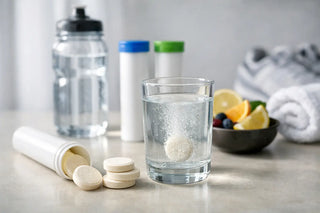
A tablet dropped into a water bottle can seem like a small detail in a busy day, yet the formulation matters. Knowing how to pick electrolyte tablets means looking beyond flavour and fizz to consider your activity, sweat losses, diet and any health considerations. The right choice should suit the way you move and feel, rather than simply adding another supplement to your routine.
Electrolytes are minerals that carry an electrical charge in the body. They help regulate fluid balance and support normal muscle and nerve function. Sodium is usually the key electrolyte lost in sweat, while potassium, magnesium and calcium each have supporting roles. An electrolyte tablet is not automatically necessary for every workout or every glass of water, but it can be a practical option during longer, hotter or more demanding occasions.
How to pick electrolyte tablets: start with the occasion
The most useful question is not which tablet is best overall, but when you expect to use it. For a short gym session, a gentle walk or an ordinary working day, water and balanced meals will meet most people's hydration needs. A tablet may still be enjoyable and convenient, particularly if it encourages you to drink, but a high-sodium sports formula may be more than is required.
Electrolyte tablets become more relevant when sweat losses are likely to be higher. Think of endurance running, cycling, tennis, hiking, outdoor work, heated studio classes or travelling in a warm climate. They can also be useful after a prolonged period of activity when you have been sweating heavily and need a drink that replaces fluid alongside sodium.
Consider duration as well as intensity. A vigorous 30-minute class and a steady three-hour ride create different needs. In the latter case, a tablet can form part of a considered hydration plan, alongside regular drinking and appropriate food or sports nutrition. Do not rely on electrolytes alone to compensate for inadequate fluid intake, insufficient fuel or poor recovery.
Signs you might benefit from electrolytes
Most of the time, water and regular meals keep everyday electrolyte levels where they should be. There are some practical, low-key signs, though, that you have been losing more than usual through sweat and might benefit from replacing them:
- Visible salt on skin or clothing after exercise, or sweat that stings your eyes or tastes especially salty - a reasonable indication of higher sodium losses.
- A noticeable craving for salty food following a long, hot or sweaty session.
- Heavy or prolonged sweating - endurance exercise, a hot studio class, manual work outdoors, or travel in a warm climate.
- Feeling flat or headachy after heavy sweating, particularly if you have been drinking plenty of plain water without replacing any salt.
- Days when you have eaten and drunk less than usual alongside being active, so your normal dietary sources of these minerals are reduced.
Read the nutrition panel with purpose
Sodium is usually the deciding number
When comparing products, sodium deserves the closest attention. It is the principal electrolyte lost through sweat and helps the body retain the fluid you drink. The appropriate amount varies considerably according to the weather, activity length, exercise intensity and your individual sweat rate.
For light everyday use, many people prefer a lower-sodium tablet. For prolonged endurance exercise or repeated training in heat, a higher-sodium option may be more suitable. Some people notice salt marks on clothing, a stinging sensation when sweat reaches their eyes, or a strong craving for salty food after exercise. These can suggest higher salt losses, although they are not a substitute for individual professional advice.
More sodium is not inherently better. If you have high blood pressure, heart failure, kidney disease, are following a medically advised low-salt diet, or take medicines that affect fluid or electrolyte balance, seek advice from a pharmacist, GP or relevant clinician before using high-sodium products regularly.
Look at potassium, magnesium and calcium in context
Potassium and magnesium are frequently featured on front-of-pack claims, but their presence should not distract from sodium where exercise hydration is the goal. A tablet containing several minerals can be useful, yet a long ingredient list does not necessarily make a product more effective for your particular use.
Magnesium may appeal to those focused on normal muscle function and reducing tiredness and fatigue where permitted by nutrition claims. However, higher amounts are not always well tolerated, particularly by people with sensitive digestion. If a product causes stomach discomfort or loose stools, review the serving size and the amount of magnesium it provides. Calcium is generally less central to short-term sweat replacement, though it has well-established roles in normal muscle function and bone health.
Sugar is a choice, not a measure of quality
Most electrolyte tablets are low in sugar or sugar-free, which makes them convenient for everyday hydration and for people who do not need extra energy from their drink. Some sports drinks include carbohydrate because it can provide fuel during longer endurance sessions. Neither approach is universally superior.
For a long run or ride, a sugar-free tablet may need to be paired with food, gels or another carbohydrate source. For an office commute, a lower-calorie option may be preferable. Check whether the tablet contains sugar, glucose, sweeteners or both, and choose a taste and formulation you can use consistently without digestive discomfort.
Choose a format you will genuinely use
Effervescent hydration tablets are compact, straightforward to portion and easy to carry in a gym bag, desk drawer or hand luggage. They are particularly useful for those who find plain water unappealing. Still, practical details matter. Check how much water each tablet is intended for, as using too little can make the drink overly concentrated and excessively sweet or salty.
Flavour should not be dismissed as superficial. A light citrus or berry flavour may be refreshing during exercise, while a very sweet profile can become difficult to drink over several hours. If you are selecting a tablet for regular use, begin with a flavour you would be happy to drink at the end of a demanding session, not merely one that tastes pleasant in a single sip.
Also examine the wider ingredient list. Those with dietary preferences or sensitivities may wish to check for allergens, caffeine, artificial colours, sweeteners or vegan suitability. Caffeine-containing hydration products can be helpful for certain training sessions, but they are not ideal late in the day or for anyone sensitive to its effects.
Match your choice to your routine
For everyday wellbeing, choose a moderate formulation and use it selectively - for example, after a warm commute, a sauna session or a day when you have been less able to eat and drink normally. It is not necessary to turn every bottle of water into an electrolyte drink.
For regular gym training, look for a product that is pleasant, low in unwanted extras and provides an appropriate level of sodium for the conditions. If your sessions are generally under an hour and indoors, water may remain your main drink, with tablets reserved for particularly hot days or higher-sweat workouts.
For endurance events, longer hikes or travel to hot destinations, prioritise sodium and plan ahead. Carry enough tablets for the duration, know where you can refill water, and trial the product during training rather than introducing it for the first time on event day. This is especially valuable if you have a sensitive stomach or usually use sports fuel alongside your fluids.
For illness, be more cautious. Electrolyte tablets formulated for sport are not always suitable for diarrhoea, vomiting or suspected dehydration. Oral rehydration solutions have a specific balance of glucose and salts for this purpose, and are a different product from sports electrolytes. Speak to a pharmacist if symptoms are significant, persistent or affect a child, older person or someone with an underlying medical condition.
Use tablets safely and sensibly
Follow the label directions carefully, including the recommended dilution and maximum daily serving. More tablets do not necessarily improve hydration and may provide an unnecessarily high intake of sodium or certain minerals. Keep in mind that dietary supplements are intended to complement, rather than replace, a varied diet.
It is also worth avoiding the opposite extreme: drinking very large volumes of plain water during prolonged exercise without considering electrolyte replacement can be unhelpful in some circumstances. Drink to thirst as a sensible starting point, adjusting for heat, effort and personal experience. Pale yellow urine can be one general indication of hydration, but it should not become an obsession or the only marker you use.
If you experience confusion, fainting, persistent vomiting, severe headache, chest symptoms or marked weakness during or after exercise, seek urgent medical attention rather than attempting to manage the situation with another tablet.
A carefully chosen electrolyte tablet should earn its place in your routine through usefulness: a formulation you tolerate, a flavour you enjoy and mineral levels that make sense for the conditions ahead. For more individual guidance, particularly where medication or a health condition is involved, a conversation with a pharmacist offers reassurance before you make it part of your regular regimen.