
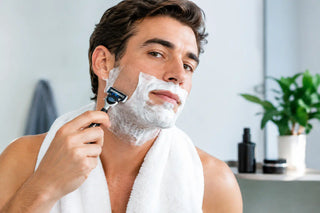
The Return of the Proper Shave
A hurried shave can be a remarkably unforgiving part of the morning. One blunt blade, too much pressure or an overlooked patch of dry skin can leave the face feeling less than polished. The return of the proper shave is not about recreating a barbershop ritual in full each day. It is about restoring a little attention to preparation, technique and aftercare, and choosing tools that suit the individual rather than the trend.
For many, shaving has shifted from a purely functional task towards a more considered part of grooming. That has brought renewed interest in traditional safety razors and shaving brushes, but there is just as much room for finely engineered cartridge razors, modern shaving formulas and effective post\-shave care. The best approach is rarely the most elaborate. It is the one that respects the skin, the beard and the time available, with today's men's shaving products offering plenty of scope to make the routine as traditional or as straightforward as you prefer.
Why the proper shave is returning
A close shave has always been associated with precision. What feels different now is the expectation that grooming can be efficient without being disposable. A well\-made shaving cream, the reassuring weight of a good razor or the clean scent of a favourite aftershave can turn something routine into a few minutes worth enjoying.
There is a practical reason for taking more care, too. Facial hair varies considerably in density, direction and coarseness, while the skin beneath can be dry, oily, easily unsettled or prone to sensitivity. Applying a blade without adequate preparation asks a great deal of both skin and razor. Taking a little more time can make the whole experience feel considerably more controlled.
Traditional methods are part of the appeal, but they are not the whole story. A traditional double\-edge safety razor uses a replaceable blade held within a protective razor head and rewards a light, considered technique. Modern cartridge systems are generally quicker and familiar to use, making them perfectly suited to someone who shaves regularly but does not want to turn every weekday morning into a ceremony.
Neither approach wins simply by being older or newer. A good razor is the one you can use comfortably and consistently.
A proper shave begins before the razor
Preparation does not need to involve half the bathroom cabinet. Warm water, clean skin and a good shaving product already make a meaningful difference.
Shaving after a shower is convenient because the beard has already been exposed to warm water, although cleansing at the basin works just as well. The point is to remove surface oil, daily grime and residual styling products while giving coarser beard hair a little time to soften.
Then comes the product that sits between blade and skin. A clear shaving gel can be useful when tidying beard lines or navigating the contours of the face because you can see exactly where you are shaving. A shaving cream offers more cushion and can be worked with either the hands or a brush. Traditional shaving soaps bring more ritual to the process, particularly with a good brush and bowl, but require a little more time to build the right consistency.
None is automatically the correct choice. What matters is creating an even layer of slip and cushioning rather than producing the most impressive lather.
This is also the moment to notice the direction of your beard growth. It may run neatly down the cheeks before changing direction completely around the neck and jaw. Knowing that pattern is more useful than assuming every part of the face wants to be shaved in exactly the same direction.
Choose a razor that suits the way you shave
The renewed appeal of traditional shaving has made razor choice more interesting, but it has also created rather more opportunity to overthink it.
A cartridge razor remains an excellent everyday tool when speed and familiarity matter. A double\-edge safety razor offers a more tactile experience, straightforward blade replacement and considerable precision once the technique becomes familiar. The current range of men's razors covers both approaches, so what matters more than allegiance to either camp is control.
The razor should sit comfortably in the hand and move easily around areas such as the upper lip, chin and jaw. Most importantly, the blade should be sharp enough to shave without tugging. If getting through the beard increasingly requires extra pressure and repeated passes, changing the blade is preferable to compensating with a heavier hand. Keeping the appropriate replacement razor blades to hand makes that a much easier habit.
A shaving brush is similarly optional rather than compulsory. For someone who enjoys a traditional cream or soap, it can help distribute lather through the beard and brings an undeniably pleasurable sense of occasion. If you prefer working a modern shaving cream between your hands and getting on with the morning, that remains a perfectly proper shave.
Technique matters more than pressure
Once the skin and beard are prepared, restraint does most of the work. Short, controlled strokes tend to give better control than trying to clear a large section of the face in one sweep, while excessive pressure can quickly turn a comfortable shave into an irritated one.
Begin with the direction of hair growth rather than automatically trying to achieve the closest possible finish on the first pass. The neck usually deserves particular patience because growth patterns often change direction across a relatively small area. Spending a few seconds understanding your own beard is considerably more useful than following an imaginary map where every man's facial hair grows south.
For a closer finish, reapply your shaving cream or gel before making another pass. Some skin comfortably tolerates shaving across or against the grain; other skin responds with irritation or hairs that become trapped as they grow back. There is no virtue in pursuing absolute smoothness if your skin spends the following two days objecting to it.
That is perhaps the most useful distinction between a proper shave and simply a very close one. The finish should still feel good several hours later.
Aftercare is part of the shave
Once the final pass is complete, rinse the face with cool or lukewarm water and gently pat it dry. Freshly shaved skin does not need vigorous rubbing or an immediate procession of strong skincare ingredients.
Post\-shave care should instead respond to how the skin feels. A moisturising balm can be particularly comfortable for skin that tends to feel dry or tight, while lighter lotions and gels suit those who prefer less richness. In colder weather, when central heating and wind can leave the face feeling drier than usual, something slightly more nourishing may earn its place.
Traditional men's aftershave still has its pleasures. The scent and cooling sensation are part of shaving history, and for many men they remain inseparable from the ritual. An aftershave is not, however, necessarily a replacement for moisturising when the skin needs it, and those prone to sensitivity may prefer a gentler balm or lower\-fragrance option.
The same principle applies to the rest of your skincare routine. An established, well\-tolerated routine does not need dismantling simply because you shave, but freshly shaved skin is rarely the ideal moment for an enthusiastic combination of exfoliating acids, scrubs and unfamiliar actives. Give the face a chance to settle.
When the skin asks for a simpler shave
Occasional irritation can often be a useful prompt to reconsider the basics. Check the blade, look at how much pressure you are using and consider whether repeatedly shaving the same area is really necessary. If bumps tend to appear around the neck, paying closer attention to the direction of hair growth and accepting a fractionally less close finish may prove more useful than adding another product.
Persistent redness, repeated razor bumps, broken skin or discomfort that does not settle deserves more attention. At that point, continuing to shave more aggressively is unlikely to solve the problem. A pharmacist, GP or other appropriate healthcare professional can advise when irritation is persistent or there is a significant or unexplained change in the skin.
A considered shaving routine should make the morning easier, not become something to endure.
Build a ritual that will last
The appeal of a proper shave lies in repeatability. A carefully chosen razor, one dependable shaving product and aftercare suited to your skin are enough to create a refined routine. Additional touches such as a brush, shaving bowl or favourite fragrance can make it more enjoyable, but they should earn their place rather than merely occupy the bathroom shelf.
There is room for heritage tools and modern convenience, for the five\-minute weekday shave and the unhurried weekend version. The renewed interest in traditional shaving is interesting precisely because it does not require abandoning everything that came afterwards. A beautifully engineered modern razor can belong to the same considered routine as a traditional brush and cream.
The proper shave need not be perfect, theatrical or time\-consuming. It simply asks for a sharper eye on what the skin needs, a lighter hand with the razor and a few minutes reserved for yourself before the day begins.