
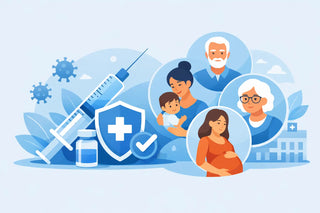
Flu can be far more than an inconvenient week at home. For older adults, pregnant women and people managing certain health conditions, influenza can lead to serious complications and hospital treatment. Understanding who is eligible for a free flu vaccination helps ensure that those most likely to benefit can receive protection before flu begins circulating widely in the community.
The NHS offers free seasonal flu vaccination to groups considered at greater risk of becoming seriously unwell, as well as people whose role brings them into close contact with vulnerable individuals. Eligibility is set for each flu season and can differ slightly between England, Scotland, Wales and Northern Ireland, so it is sensible to check the current guidance or speak to a pharmacist if you are unsure.
Who is eligible for a free flu vaccination in England?
In England, the NHS flu programme usually includes adults aged 65 and over, pregnant women, people with certain long-term health conditions, residents of long-stay care homes, unpaid carers, and eligible frontline health and social care workers. Some children are also offered the vaccination as part of the routine seasonal programme.
You do not need to wait until you feel unwell to consider the jab. Flu vaccination is preventative care, designed to give your immune system time to build protection before exposure. Invitations may be sent by a GP surgery, but an invitation is not always required if you know you are eligible.
Adults aged 65 and over
Adults who are aged 65 years or over by the eligibility date for that flu season are generally eligible for an NHS-funded flu vaccination, subject to the current seasonal NHS programme. Age increases the likelihood of flu causing complications such as pneumonia, worsening of existing medical conditions and hospital admission.
The flu vaccine offered to older adults may differ from the standard adult vaccine. Some formulations are specifically designed to produce a stronger immune response in later life. The most suitable option is determined by the NHS programme and the clinical professional providing your vaccination.
Pregnant women
Flu vaccination is offered free of charge at every stage of pregnancy. Vaccination is recommended during every pregnancy, even if you received a flu vaccine during a previous pregnancy. Pregnancy naturally changes the way the immune system, heart and lungs work, which can make flu more severe. Vaccination also offers some early protection to a baby after birth, when they are too young to receive their own flu vaccine.
If you are pregnant and have questions about timing, allergies or a previous reaction to a vaccine, discuss these with your midwife, GP or pharmacist. In most cases, the vaccination can be given during a routine appointment or through a participating pharmacy service.
Children
The NHS offers free flu vaccination to many children each autumn and winter, helping protect them from illness while also reducing the spread of flu within families, schools and the wider community.
Eligibility includes children aged 2 and 3 years, children aged 4 years who have not yet started school, and all school-aged children from Reception to Year 11. Children aged 6 months to 17 years with certain long-term health conditions—including asthma, diabetes, heart disease and weakened immune systems—are also eligible for an NHS-funded vaccination.
Most children receive the vaccine as a quick and painless nasal spray. An injectable flu vaccine may be offered where the nasal spray is not suitable or is declined.
School-aged children are usually vaccinated through their school's immunisation programme. Pre-school children and those eligible because of an underlying medical condition can usually receive their vaccination through their GP practice or, where commissioned locally, a participating community pharmacy.
Parents and carers should check eligibility and local vaccination arrangements each flu season, as delivery can vary depending on age and where they live.
People with long-term health conditions
People aged from six months to under 65 years may qualify for a free vaccination if they have a health condition that increases their risk from flu. This includes many conditions that are well managed day to day. Eligibility is based on the possibility of flu causing a more significant illness, not simply on how unwell you currently feel.
Conditions commonly included in the programme are chronic respiratory disease, such as chronic obstructive pulmonary disease, bronchitis, emphysema or severe asthma; chronic heart disease; chronic kidney or liver disease; diabetes; and chronic neurological conditions, including a previous stroke, multiple sclerosis or serious learning disabilities.
People with a weakened immune system may also be eligible. This can include those receiving treatment for cancer, people taking medicines that suppress the immune system, and individuals living with conditions that affect immunity. People with a body mass index (BMI) of 40 kg/m² or above (class III obesity) are also generally eligible.
The detail matters, particularly for asthma. Not every person with mild asthma will necessarily be invited automatically, while asthma requiring continuous or repeated steroid or systemic corticosteroids treatment or associated with a history of serious flare-ups requiring hospital admission may meet the criteria. A GP, nurse or pharmacist can help clarify whether your individual medical history qualifies.
Residents of care homes and people receiving care
Residents of long-stay residential care homes or other long-stay care facilities are routinely eligible because flu can spread quickly in shared settings and because residents may have multiple health vulnerabilities. Vaccinations are often arranged on site, making access easier for residents and care teams.
Some people receiving care at home may qualify through their age or medical condition. Eligibility is not solely determined by whether care is in place, so it is worth checking the specific reason you may be included.
Carers, close contacts and frontline workers
Unpaid carers may qualify for a free NHS flu vaccination if they receive a carer's allowance or are the main carer for an older or disabled person whose wellbeing could be affected if they became unwell. This recognises that protecting the carer also helps protect the person relying on their support.
In limited circumstances, people living with someone expected to become severely immunosuppressed may be offered vaccination. Eligibility should be confirmed with the person's specialist team or GP practice. The intention is to lower the chance of flu being brought into the household.
Frontline health and social care workers are also commonly included. This covers staff whose work involves direct contact with patients, clients or service users. Vaccination is usually offered by employers through organised workplace vaccination sessions while some eligible staff can receive vaccination through other NHS arrangements rather than community pharmacies.
Eligibility varies across the UK and by season
Although the NHS principles are similar throughout the UK, the precise age groups, school cohorts and delivery arrangements can vary between the four nations. Seasonal policy can also change in response to public health priorities, vaccine supply and circulating strains.
For that reason, treat general eligibility lists as a useful starting point rather than a substitute for current confirmation. If you live in Scotland, Wales or Northern Ireland, check your national health service guidance. In England, a GP surgery or community pharmacy can usually confirm whether you are entitled to an NHS-funded vaccine.
How to arrange your flu vaccination
If you are eligible, you may be contacted by your GP surgery, employer, maternity service, care provider or school. Many adults can also be vaccinated at participating community pharmacies such as John Bell & Croyden with NHS appointments arranged through the NHS booking system. Availability depends on the time of year, local appointment capacity and the vaccine recommended for your age or eligibility group.
Take any invitation you have received and be ready to share relevant information, such as your age, pregnancy status, long-term condition or caring role. If you are receiving specialist treatment, particularly treatment affecting your immune system, your clinical team may advise on the most appropriate timing.
If you are not eligible for a free vaccination, you can still choose to have a private flu vaccination. Falling outside the NHS eligibility criteria does not mean missing out on protection. John Bell & Croyden offers a private flu vaccination service. A pharmacist can advise whether it is suitable for you.
When vaccination may need extra consideration
Most people can receive a flu vaccine safely, but a clinician should be told about severe allergies, a previous serious reaction to a vaccine, bleeding disorders or medicines that affect blood clotting. If you have a high temperature or are acutely unwell, it may be better to postpone until you have recovered.
The flu vaccine is updated regularly because influenza viruses change. Receiving a flu jab last does not necessary protect you this year. Equally, a flu jab cannot give you flu, although some people experience a sore arm and/or pain in the area you had the vaccination, headache, muscle aches, tiredness or a mild raised temperature for a short time afterwards.
If you believe you are eligible but have not received an invitation, do not let that be the final word. NHS eligibility is reviewed before each flu season. If you are unsure whether you qualify for a free NHS flu vaccination, speak to your GP surgery or pharmacist, or check the latest NHS guidance. Although the vaccine cannot prevent every case of flu, it significantly reduces the risk of severe illness, hospitalisation and flu-related complications.