
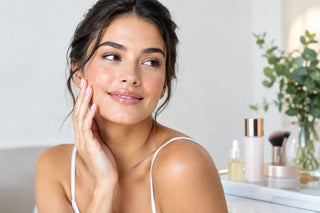
The most persuasive beauty trends are no longer defined by a single viral product or an elaborate 12-step routine. They are reflected in more discerning choices: skin that looks well supported rather than heavily concealed, colour selected for personal expression, and formulas expected to balance sensory appeal with ingredients that are supported by established cosmetic and dermatological research. For 2027, the emphasis is on beauty that earns its position on the bathroom shelf.
Beauty trends are becoming more considered
Beauty has moved beyond the idea that more products necessarily create better results. Consumers are increasingly attentive to ingredient compatibility, skin tolerance and the purpose of each step. This does not mean routines must be minimal. It means they should be intentional, whether the goal is addressing visible pigmentation, managing breakouts, maintaining a healthy scalp or simply making daily care feel more refined.
The shift is particularly relevant for those who already invest in premium skincare and wellbeing. A beautifully formulated cleanser, serum or moisturiser should not be judged solely by its texture or packaging, however enjoyable those details may be. Its value lies in how suitable it is for your skin type, concerns and routine over time.
Skin barrier care remains fundamental
Barrier support continues to shape skincare decisions, but it should not be mistaken for a passing preference for very rich creams. The skin barrier is a protective layer that helps retain moisture and defend against environmental stressors. When it is compromised, dryness, sensitivity, rough texture and visible redness may become more apparent.
Look for routines built around gentle cleansing, replenishing moisturisers and ingredients such as ceramides, glycerin, squalane and hyaluronic acid. These can be especially useful when using active ingredients, travelling, spending time in centrally heated spaces or adapting to seasonal changes.
Barrier care also asks for restraint. If skin is persistently tight, stinging or irritated, introducing several exfoliating acids, retinoids and strong vitamin C products at once is unlikely to be productive. A simpler routine, used consistently, is often the more sophisticated approach. Those with ongoing irritation, eczema, rosacea or acne may benefit from advice from a pharmacist, dermatologist or qualified skincare professional before making major changes.
Active skincare becomes more precise
Consumers remain interested in proven active ingredients, but the conversation is becoming more nuanced. Rather than seeking the highest possible percentage, the focus is turning to delivery systems, formula balance and frequency of use. A lower-strength product used regularly and tolerated well may offer more value than an intensive formula that sits unused.
Retinoids remain widely used in skincare routines aimed at addressing concerns such as uneven texture, the appearance of fine lines and blemishes. Vitamin C continues to be a popular skincare ingredient and is commonly included in routines focused on skin radiance and antioxidant protection, while azelaic acid, niacinamide and carefully selected exfoliating acids offer useful options for different complexions. Their place in a routine depends on the individual.
For example, a person concerned with congestion may prioritise salicylic acid, while someone managing dehydration and dullness may prefer a hydrating serum alongside a gentle vitamin C product. There is no universal ideal regimen. Skin type, sensitivity, lifestyle, climate and current treatments all matter.
The return of colour with character
The prevailing make-up mood is less about perfect uniformity and more about a polished, individual finish. Complexions are being treated with lighter layers, placed strategically rather than applied as a mask. Concealer, skin tint and a luminous base can create a fresh result when paired with thoughtful skincare preparation.
Blush remains central, with cream and liquid textures bringing warmth to cheeks, temples and even eyelids. The most elegant application is often softened at the edges, allowing the natural contours of the face to remain visible. Colour choices are broadening too: berry, terracotta, rose and muted plum are as relevant as classic peach, particularly on deeper and olive skin tones.
Eye make-up is also becoming more expressive, though not necessarily more complicated. A defined brown liner, a wash of satin shadow or a considered mascara can be more effective for daytime than a full layered look. For evening, metallic finishes, rich chocolate tones and nuanced jewel shades offer drama without relying on an overly graphic result.
The trade-off is longevity. Sheer textures and dewy finishes can be flattering, but may need a little more attention through a long day. Setting strategically, rather than powdering the entire face, helps retain dimension while improving wear.
Lip care meets statement colour
Lip products are increasingly expected to bridge treatment and finish. Balms, oils and conditioning lip colours appeal because they offer comfort as well as visible colour. At the same time, a deliberate lip is returning as an easy way to transform a pared-back complexion. Soft brick reds, cool berries and rose-brown nudes feel particularly versatile.
The key distinction is preparation. A statement lip will sit more smoothly when the lips are protected from dryness, while high-shine oils and glosses are more flattering when used as part of a consistent lip-care routine. This is a small detail, but one that makes a meaningful difference to the final effect.
Scalp health takes its place in hair care
Hair care is increasingly approached through the condition of the scalp. Concerns such as flaking, oiliness, dryness, sensitivity and perceived thinning can affect confidence, yet they require different responses. Treating all scalp concerns with the same heavy oil or clarifying shampoo can worsen discomfort for some people.
A balanced routine may include a shampoo selected for the scalp’s needs, followed by conditioning lengths that are exposed to heat styling, colouring or environmental damage. Occasional scalp exfoliation may suit those dealing with product build-up, but it should be used carefully and not as a substitute for treating persistent dandruff or irritation.
Hair density is another area where expectations deserve care. Products can improve the appearance and feel of hair, while targeted scalp treatments may support a healthy environment for growth. However, sudden or significant shedding can have many causes, including stress, illness, hormonal changes and nutritional factors. It merits professional advice rather than relying solely on cosmetic solutions.
Body care becomes an extension of skincare
The line between facial skincare and body care continues to narrow. Well-formulated body serums, exfoliating lotions, hand treatments and targeted care for areas such as the chest, back and feet are becoming routine rather than occasional indulgences.
This shift is practical. The body is exposed to dryness, friction, shaving, sun and changing weather, yet it is often treated as an afterthought. Ingredients familiar from facial care, including urea, lactic acid, niacinamide and ceramides, are increasingly being used in body-care formulations designed for concerns such as roughness, uneven tone and dryness.
For those using exfoliating body products, daily sun protection on exposed areas remains essential. Smooth, radiant-looking skin is not achieved by frequent exfoliation alone; it depends on moisture, protection and allowing the skin time to recover.
Fragrance becomes more personal
Fragrance is moving away from the search for one signature scent that must suit every situation. Instead, wardrobes of scent are becoming more considered: a clean citrus or soft musk for daytime, a warm amber for evening, perhaps a comforting woody fragrance for quieter moments.
Layering can create a more personal effect, but it need not involve combining multiple perfumes. Pairing a scented body product with a complementary eau de parfum is often enough. Test fragrance on skin where possible, as warmth, skin chemistry and dry-down can alter the character considerably over several hours.
Choosing trends without chasing them
A trend is useful when it helps articulate a need you already have. If your skin feels depleted, barrier-focused formulas may be a sensible place to begin. If your make-up feels overly familiar, a new blush tone or lip colour can offer a lower-commitment change than replacing an entire routine. If your scalp is uncomfortable, start with the concern rather than the latest hair ritual.
While cosmetic products can help improve the appearance and feel of the skin and hair, persistent symptoms such as severe irritation, sudden hair loss, changing moles, significant scalp problems or ongoing skin concerns should be assessed by an appropriate healthcare professional.
At John Bell & Croyden, this is where expert curation matters: selecting products by concern, ingredient and formulation so that discovery remains informed rather than overwhelming. The most enduring beauty choice is rarely the one attracting the most attention. It is the one you enjoy using, understand how to use and can return to with confidence.