
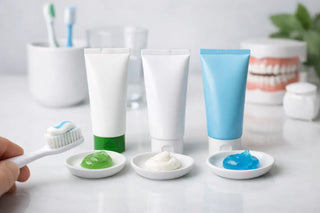
Standing in front of a wall of dental care products, it is easy to see why so many people ask how to choose the best toothpaste for your needs. One tube promises whitening, another enamel repair, another relief for sensitivity, and another a more natural approach. The right choice is rarely the one with the loudest claim on the packaging. It is the one that matches your oral health priorities, your habits and, in some cases, your dentist’s advice.
Toothpaste is not simply a finishing touch to brushing. Its active ingredients can play a meaningful role in preventing decay, supporting gum health, reducing discomfort and improving the overall feel and appearance of your teeth. Choosing well means looking beyond branding and focusing on what the formula is designed to do.
How to choose the best toothpaste for your needs
The most useful place to start is with your primary concern. If your teeth are generally healthy and you want reliable daily protection, a fluoride toothpaste for everyday use is often the soundest option. If you wince when drinking something cold, a sensitivity-focused formula is likely to be more appropriate. If staining from coffee, tea or red wine bothers you, a whitening toothpaste may help, though results and suitability vary. Whitening toothpastes do not help with deeper staining inside the tooth, unlike peroxide-based whitening systems.
This is where many people go wrong. They choose according to a cosmetic goal when their greater need is clinical. A brighter smile is appealing, but if you also have thinning enamel or irritated gums, a harsher whitening formula may not be the wisest first choice. The best toothpaste is not necessarily the most specialised one on the shelf. It is the one that addresses your most important issue without creating a new one.
What also matters is following the dentist advice for adults and children of brushing teeth twice daily for 2 minutes and spitting out the toothpaste instead of rinsing mouth to retain fluoride on teeth.
Start with fluoride and cavity protection
For most adults, fluoride remains the cornerstone of effective toothpaste. It helps strengthen weakened enamel and reduce the risk of tooth decay by making teeth more resistant to acid attacks from food, drink and plaque bacteria. If you are choosing a general-use toothpaste, this is usually the first feature worth checking.
In the UK, many adult toothpastes contain fluoride at levels suitable for daily protection. Standard adult fluoride toothpaste in the UK is typically 1350–1500 ppm fluoride. Your dentist may recommend higher-fluoride toothpaste if you are at increased risk of tooth decay. Children’s toothpaste depending on age contains 1000 ppm fluoride and a pea-sized amount smeared on toothbrush is enough when bushing. Children should be supervised while brushing to reduce risk of swallowing toothpaste.
Unless you have been advised otherwise by a dental professional, a fluoride toothpaste is generally the most dependable everyday choice. If you are prone to cavities, have dry mouth, wear orthodontic appliances or frequently snack, this matters even more.
Toothpaste may support oral hygiene but does not replace professional gum treatment when gum disease is present.
Some people prefer fluoride-free toothpastes for personal reasons. That preference can be accommodated, but it is sensible to recognise the trade-off. You may gain a formula that aligns more closely with your ingredient preferences, while losing one of the best-supported tools for decay prevention.
If you have sensitive teeth, look for targeted relief
Sensitivity is one of the clearest reasons to move away from a standard toothpaste. If cold air, ice cream, hot drinks or brushing itself causes discomfort, look for a formula specifically designed for sensitive teeth. These toothpastes often contain ingredients that help block sensation travelling from the tooth surface to the nerve.
They do not always work overnight. Some people notice a difference within days, while others need a few weeks of consistent use. It is also worth remembering that sensitivity can have different causes, from enamel wear to gum recession or grinding. A toothpaste can help manage symptoms, but if the pain is new, persistent, localised, spontaneous or worsening, it is worth seeking professional advice rather than simply switching brands.
A Visit to the dentist may be needed if you experience persistent pain, swelling, bleeding gums not improving after 2 weeks of good hygiene, or sensitivity localised to one tooth.
Sensitivity formulas are often gentler than strong whitening products, which makes them a better fit for people who want comfort as well as protection. If you are tempted by a toothpaste that promises both sensitivity care and whitening, check how that whitening is achieved. A milder stain-lifting approach may be suitable, whereas a more abrasive formula may not.
Whitening toothpaste can help, but only to a point
Whitening is one of the most common reasons people change toothpaste, but expectations need to be realistic. Whitening toothpastes can help remove surface stains caused by coffee, tea, tobacco and certain foods. They are generally less effective on deeper, intrinsic discolouration.
What matters here is how the toothpaste whitens. Some rely on polishing agents to lift external stains. Others use additional ingredients aimed at brightening the tooth surface more gently. A highly abrasive formula may make teeth look cleaner in the short term, but repeated use can be unhelpful if your enamel is already vulnerable.
For those exploring cosmetic-focused options, a curated selection of whitening toothpastes can help you compare formulations designed for everyday use without compromising enamel care.
For those with healthy teeth and mild staining, a whitening toothpaste can be a useful maintenance product. For those with sensitivity, visible enamel wear or gum recession, caution is advisable. Cosmetic improvement is rarely worth added discomfort.
Gum care deserves more attention than it gets
Many people shop for toothpaste with teeth in mind and forget the gums entirely. Yet bleeding when brushing, persistent tenderness or a feeling of inflammation are signs that gum care should move much higher up your list.
Toothpastes designed for gum health often focus on plaque control and ingredients that help reduce irritation along the gumline. If your gums bleed occasionally, a targeted gum-care toothpaste may support better daily management, especially when paired with improved brushing technique. If bleeding is frequent or persistent, however, it is better treated as a reason for dental review than as a minor inconvenience.
There is also a practical point here. If your gums are uncomfortable, you may brush less thoroughly without realising it. The right toothpaste can make daily care feel more tolerable and more effective.
Consider enamel, tartar and dry mouth separately
Not all specialist concerns are equally visible, but they can still shape the best choice.
If you have been told you have enamel erosion or are concerned about acid wear from fizzy drinks, citrus or reflux, look for toothpaste marketed for enamel support. These formulas are typically designed to strengthen and protect rather than polish aggressively.
If tartar build-up is your main frustration, a tartar-control toothpaste may help reduce further accumulation, though it will not remove hardened tartar already present. That still requires professional cleaning.
Dry mouth is another issue that affects toothpaste choice more than many realise. A very strong mint flavour or highly foaming formula can feel unpleasant or irritating when the mouth is already dry or delicate. In that case, a gentler formulation may make regular brushing more comfortable and sustainable.
Dry mouth may require saliva substitutes, high-fluoride products or review of medications potentially causing dry mouth.
Ingredient preferences matter, but effectiveness still comes first
Premium dental care has broadened the toothpaste category considerably. Today, many shoppers are interested not only in what a toothpaste does, but also in what it leaves out. SLS-free formulas, herbal blends, charcoal pastes and minimalist ingredient lists all have their place.
There is nothing wrong with having ingredient preferences. In fact, for some people, avoiding certain foaming agents or flavourings can make daily use much more pleasant. The key is not to let ingredient fashion overshadow oral health needs.
Charcoal toothpaste is a good example. It is often chosen for its cleansing image and contemporary appeal, but some formulas can be abrasive. Abrasive potential varies widely but long-term safety data is limited.
If your enamel is strong and you enjoy the texture, occasional use may suit you. If you have sensitivity or are at high-risk to erosion/sensitivity, routine use of charcoal toothpaste is not recommended and a gentler option is likely to be the better investment.
Texture, flavour and finish are not trivial details
A toothpaste can be clinically excellent and still fail if you dislike using it. Flavour, texture and after-feel matter because they affect consistency. A paste that feels too sharp, too bland, too gritty or too foamy may end up abandoned at the back of the bathroom cabinet.
This is especially true in households where people share products despite having different needs. One person may prefer a strong peppermint finish, while another finds it overwhelming. One may want a rich, creamy paste, while another prefers a cleaner gel texture. If the toothpaste is unpleasant, brushing can become rushed or irregular.
For many customers, this is where a more curated approach to dental care becomes valuable. Browsing a dedicated selection of toothpaste makes it easier to compare specialist and everyday formulations with greater confidence.
When one toothpaste is enough, and when it is not
Some people benefit from one excellent all-round toothpaste. Others may choose to alternate depending on their priorities. For example, you might use a sensitivity toothpaste daily and a whitening formula less often to manage staining. That can be reasonable, provided the products are compatible with your needs and not overly abrasive in combination.
Children, adults with dental work, smokers and those undergoing orthodontic treatment may also need more tailored choices. If you have veneers, crowns or braces, it is worth checking whether your toothpaste is suitable for long-term use with those restorations or appliances.
The best way to decide is to be honest about what you need most right now. Not what sounds impressive, and not what is trending, but what your mouth would genuinely benefit from every morning and evening.
Choosing toothpaste well is a quiet kind of self-care. A considered formula can protect, comfort and improve your daily routine in a way that feels almost effortless. If you are unsure where to begin, let your most pressing concern lead the decision, and allow performance to matter at least as much as promise.