
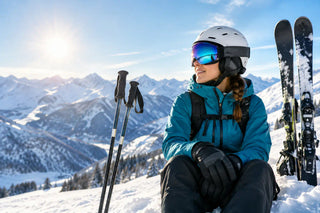
The first clear, bright morning in the mountains can be deceptive. Temperatures may be below freezing, yet the sun feels strong on exposed skin; exertion can leave you thirsty before you notice it; and a higher altitude can make an ordinary first day on the slopes feel unexpectedly demanding. Sun, snow and altitude: looking after yourself on a ski holiday calls for a little more preparation than packing goggles and a favourite base layer.
For a holiday that leaves you eager for another day on the mountain rather than exhausted by the first, it helps to think about the conditions before you arrive. Sun protection, hydration, warmth and a little time to adjust to altitude can make the practical side of the trip considerably easier.
Sun, snow and altitude on a ski holiday
Mountain sunlight deserves particular respect. Ultraviolet exposure increases with altitude, and snow reflects light upwards as well as down from the sky. This means the lower face, under the chin, ears and the area around the eyes can be exposed even on an overcast day. Cold air can make skin feel less obviously warm, so it is easy to underestimate time in the sun.
Apply a broad-spectrum, high-factor sunscreen generously before going outside, including on ears, neck and lips where appropriate. Allow time for it to dry before fitting goggles, a helmet or a buff. Reapply regularly, particularly after sweating, eating on the terrace or taking off facial coverings. A lip balm with SPF is a useful addition, as lips are often affected by the combined effects of wind, cold and sun.
Choose a high-factor sunscreen that feels comfortable beneath ski goggles and is easy enough to keep in a jacket pocket for reapplication. Apply it generously before going outside, including exposed areas around the ears, neck and lower face, then reapply according to the product instructions throughout the day.
Lips are easily forgotten until they become uncomfortable, so an SPF lip balm is worth keeping somewhere accessible rather than at the bottom of a backpack.
Protect the skin barrier, not just the surface
Cold, dry air, wind and repeated temperature changes can leave the complexion feeling tight, flaky or uncomfortable. A richer moisturiser morning and evening may be welcome, while gentle cleansing helps avoid stripping skin that already feels challenged by the conditions.
If your skin begins behaving very differently from usual, our guide to skin barrier repair looks more closely at dryness, sensitivity and the role of barrier-supporting skincare.
Active skincare may need a lighter touch too. A ski holiday is not the obvious week to experiment with a new exfoliating acid or stronger retinoid when cold, wind and UV exposure are already giving your skin plenty to deal with.
Hands are easily overlooked. Cold air, glove removal and frequent washing can leave knuckles and cuticles feeling dry, so keeping hand cream in your day bag is a simple comfort. If gloves become wet, change them promptly where possible. Warm, dry hands are more comfortable and less likely to become chapped.
Drink regularly, but don't mistake water for acclimatisation
Skiing is physical work, and layers, dry mountain air and long days outdoors can make it easy to finish the afternoon thirstier than expected.
Have water with breakfast, keep something to drink available during the day and stop for food and fluids rather than relying on the next lift queue to provide a convenient moment.
This matters for ordinary comfort and physical activity, but drinking more water is not a treatment for altitude sickness. A headache, dizziness or nausea at altitude deserves proper attention rather than assuming another bottle of water will solve it.
Après-ski can happily remain part of the holiday too. If you choose to drink alcohol, have water alongside it and remember that tiredness, altitude and a full day of skiing may mean you feel its effects differently from an ordinary evening at home.
Give your body time to adjust to altitude
Altitude deserves more attention than simply expecting to feel a little breathless on the first run.
Altitude sickness can occur at around 2,500 metres and above, particularly when people reach altitude quickly. Some Alpine ski areas take visitors above that level, so this is not a concern reserved for mountaineering expeditions.
Symptoms can include headache, loss of appetite, nausea, tiredness, dizziness and difficulty sleeping. Because several of those can easily be mistaken for travel fatigue, dehydration or an enthusiastic first day on the slopes, it is worth knowing what to look for before you arrive.
If you feel unwell at altitude, do not simply take something for the headache and keep climbing or skiing higher. Stop ascending and rest at the same altitude. If symptoms worsen or do not improve, descend and seek appropriate medical help.
Confusion, difficulty with balance or coordination, breathlessness at rest, severe drowsiness or a cough producing frothy or bloody sputum need urgent attention and descent.
The sensible approach is not to become anxious about altitude. It is simply to respect it. A measured first day gives you time to see how you feel before committing to the most demanding part of the ski area.
Dress for warmth without overheating
Comfort on the mountain depends on managing moisture as much as insulation. A breathable base layer, insulating mid-layer and windproof, waterproof outer layer allow you to add or remove warmth as conditions shift. Cotton next to the skin can stay damp after sweating, so technical or merino fabrics are often more comfortable for active days.
A helmet, goggles, gloves and a neck covering protect areas that cool quickly. Check the forecast each morning rather than relying on the temperature in resort. Wind chill, cloud cover and lift exposure can change the feel of the day considerably.
Overheating is not a minor inconvenience. It can lead to sweating, followed by a chill when you stop or ride a lift. Open vents, remove a layer before you become too warm and carry a dry spare layer if you are out for a long day. Children and less experienced skiers may be less likely to recognise when they are cold, thirsty or tired, so build in regular check-ins.
Recovery begins before the last lift
There is a particular temptation on a ski holiday to keep going until the lifts stop simply because you paid for the pass.
Tired legs and fading concentration are not always the best ingredients for one final heroic descent.
Choose the last few runs with the same judgement as the first ones. After skiing, change out of damp clothing, eat something substantial and give your legs a chance to recover. An easy walk or gentle stretch may feel good; equally, there is nothing wrong with deciding that the sofa, bath or early dinner has won.
Soreness after unfamiliar activity is one thing. Pain after a fall, significant swelling or difficulty putting weight through a limb deserves rather more respect.
Tomorrow's snow is not going anywhere.
A well-packed day bag
The most useful items are the ones you will actually use between lifts: water, sunscreen, SPF lip balm, a small moisturiser or hand cream, a snack, tissues, a spare neck covering and any essential medicines. Keep your mobile phone charged and carry details of travel insurance and emergency contacts, especially if your group plans to ski separately.
Check that your insurance covers the activities you intend to do, including off-piste skiing where relevant. Off-piste terrain should only be approached with suitable experience, equipment, local knowledge and professional guidance. Conditions can change quickly, even on a clear day.
The aim is not to turn a ski break into a strict regimen. It is to make small, well-judged choices that protect your energy, skin and comfort, so the view from the chairlift remains the highlight of the day.