
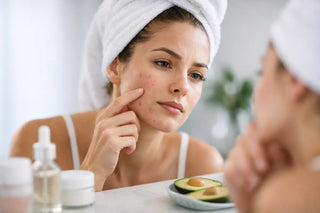
If your skin is largely manageable for most of the month, then suddenly becomes congested, tender and inflamed along the chin, jawline or lower cheeks, you are probably asking a very specific question: what helps hormonal breakouts? The answer is rarely one miracle product. Hormonal acne tends to respond best to a considered routine, the right active ingredients and, in some cases, support from a pharmacist, GP or dermatologist.
Why hormonal breakouts behave differently
Hormonal breakouts are driven by internal fluctuations that influence oil production, inflammation and the way skin cells shed inside the pore. This is why they can feel more stubborn than the occasional surface blemish. They often sit deeper in the skin, can be painful to touch and may take longer to settle.
For many adults, flare-ups cluster around the menstrual cycle, but hormones are not only relevant to women. Stress, perimenopause, certain medications and conditions such as polycystic ovary syndrome can all contribute. Men can also experience hormonally influenced acne, particularly where oil production is high.
The pattern matters. Breakouts that repeatedly appear on the lower face, worsen at the same point each month or persist beyond the teenage years often suggest a hormonal element. That does not mean every spot is hormonal, only that your management plan should take that possibility seriously.
What helps hormonal breakouts in a skincare routine
The most effective routine is usually consistent rather than complicated. When skin is inflamed, over-treating it can create a second problem by disrupting the barrier, leaving the complexion dry, reactive and paradoxically more difficult to calm.
Start with a gentle cleanser used morning and evening. This should remove excess oil, SPF and make-up without leaving the skin tight. Harsh foaming cleansers can feel satisfying in the moment, but if your skin becomes squeaky or uncomfortable afterwards, you may be stripping it.
The next step is to introduce actives with clear evidence behind them. Salicylic acid is one of the most useful ingredients for hormonal breakouts because it is oil-soluble, meaning it can work inside the pore. It helps loosen congestion and can reduce the formation of blackheads and inflamed spots. If your skin is easily irritated, a lower strength used a few nights a week is often a better starting point than daily application.
Retinoids are another important category. These vitamin A derivatives help regulate cell turnover, reduce clogged pores and support clearer skin over time. They are not an overnight fix, and the first few weeks can bring dryness or purging, but they remain one of the most reliable long-term options for breakout-prone skin. If you are pregnant, trying to conceive or breastfeeding, seek professional guidance before using retinoids.
Niacinamide can also be helpful, particularly if your skin is oily, marked by post-blemish redness or prone to irritation from stronger treatments. It supports the barrier and may help moderate visible oiliness. Azelaic acid is worth considering too, especially if you are dealing with both breakouts and lingering discolouration. It tends to suit many skin types and can be useful where sensitivity is part of the picture.
Moisturiser is not optional. Many people with acne-prone skin avoid it for fear of making congestion worse, yet a lightweight, non-comedogenic moisturiser can reduce irritation and help your treatment products perform more predictably. Daily broad-spectrum SPF is just as important, especially if you are using exfoliating acids or retinoids.
Ingredients that can make a visible difference
When clients ask what helps hormonal breakouts fastest, it is worth being candid: fast improvement and lasting improvement are not always the same thing. Spot treatments can reduce the lifespan of an angry blemish, but preventing the next cycle of congestion is where the real work happens.
Benzoyl peroxide is one ingredient that can bring visible improvement quite quickly because it helps reduce acne-causing bacteria and inflammation. In the UK, it is regulated as a medicinal acne treatment rather than a general cosmetic ingredient, so it is most often found in targeted pharmacy products rather than broader skincare ranges. It can be drying and may bleach fabrics, so it should be used carefully. For some, a wash-off formulation is easier to tolerate than a leave-on product.
For retail skincare routines, ingredients such as salicylic acid, niacinamide and gentle exfoliating acids tend to play a more consistent role in managing congestion and preventing repeat breakouts. These can be used more flexibly within a daily routine without compromising skin barrier function when chosen well. For most clients, a routine built around these ingredients will form the core of a more sustainable approach to managing breakouts over time. Clay masks may help absorb surface oil, but they are best treated as occasional support rather than the backbone of your routine.
The trade-off is simple. Stronger ingredients can work well, but if you layer too many at once, skin often becomes irritated and the situation looks worse before it looks better. In practice, one or two well-chosen actives used consistently will usually outperform an aggressive seven-step routine.
Lifestyle factors worth considering
Skincare matters, but hormonal breakouts are not only a topical issue. Sleep, stress and diet can all influence the skin, although not always in a neat or universal way.
Stress is a common trigger because it can affect cortisol levels, which in turn may increase oil production and inflammation. This does not mean meditation will cure acne, but if flare-ups consistently coincide with periods of poor sleep, overwork or elevated stress, that pattern is worth noticing.
Diet is more nuanced than social media often suggests. There is some evidence that high glycaemic diets and, for certain individuals, dairy may aggravate breakouts. Equally, many people cut out foods unnecessarily and see no real change. A sensible approach is to look for personal patterns rather than assume a single ingredient is to blame. If you suspect a dietary trigger, keep observations measured and avoid drastic restrictions without professional advice.
It is also worth checking the basics. Heavy occlusive make-up, infrequent pillowcase changes, picking at lesions and using hair products that sit against the jawline can all worsen the picture. None of these causes hormonal acne on their own, but they can make an existing tendency harder to manage.
When skincare is not enough
Sometimes the answer to what helps hormonal breakouts is medical treatment. If your acne is painful, leaving marks, affecting your confidence or not improving after a sustained trial of suitable skincare, it is time to seek professional support. This is particularly relevant if acne is leaving marks, scarring or persistent inflammation.
A pharmacist may be able to advise on over-the-counter options and help you assess whether your routine is appropriate. A GP can review whether there may be an underlying hormonal driver and discuss prescription treatments. Depending on the case, these may include topical retinoids, combination treatments, antibiotics for inflammatory acne or hormonal options such as the combined oral contraceptive pill or anti-androgen treatments, such as spironolactone, prescribed off‑licence under specialist supervision.
This is where context matters. A person with mild monthly congestion may do very well with a carefully edited skincare routine. Someone with cystic jawline acne, irregular periods or signs of excess androgen activity may need a broader clinical assessment. Good advice should reflect that difference.
A refined approach to product selection
With hormonal breakouts, quality and compatibility are more valuable than quantity. A sensible edit might include a gentle cleanser, one treatment serum or cream, a moisturiser and a daily SPF. If you wear make-up, ensure removal is thorough but not abrasive. If you are adding a treatment, give it enough time to work before replacing it. Six to twelve weeks is often more realistic than six to twelve days.
This is also where premium curation can be genuinely useful. Rather than buying reactively, look for products chosen for efficacy, tolerability and ingredient integrity. That kind of considered selection can be particularly helpful for customers who want clinical credibility without sacrificing the experience of using their skincare.
What helps hormonal breakouts when skin is sensitive
Sensitive, breakout-prone skin needs a particularly disciplined approach. Fragrance-free or low-irritant formulations may be preferable, and active ingredients should be introduced gradually. It can help to alternate nights rather than use every treatment every day.
If your skin stings, flakes or looks shiny but feels tight, your barrier may be compromised. In that case, the priority is to reduce irritation first. A simplified routine for two weeks can be more productive than pushing through with strong acids and retinoids while the skin is clearly struggling.
Patch testing new products is sensible, particularly if you are prone to eczema, rosacea or general reactivity. Breakouts and sensitivity often coexist, and treating one while ignoring the other rarely ends well.
Patience is part of the treatment
Hormonal acne can be frustrating because it follows its own rhythm. You may do everything right and still see a flare around the same time each month. That does not mean your routine has failed. Often, success looks like fewer deep lesions, quicker healing, less post-inflammatory marking and skin that feels generally more stable over several cycles.
The most helpful mindset is to aim for control rather than perfection. Clearer skin is usually the result of steady adjustments, not dramatic interventions. If your breakouts are persistent, painful or changing, ask for expert guidance early. The sooner you understand what your skin is responding to, the sooner it becomes easier to manage with confidence.