
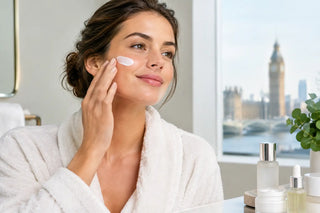
A £20 cleanser can feel difficult to justify until it becomes the product that makes a reactive complexion feel comfortable, or turns a hurried evening routine into a moment of genuine care. That shift in expectation helps explain why premium skincare continues to grow. Consumers are not simply buying a more expensive jar. They are looking for considered formulations, credible guidance and products that earn a lasting place on the bathroom shelf.
For British shoppers, skincare has increasingly moved beyond the traditional distinction between beauty and healthcare. Concerns such as dryness, sensitivity, pigmentation, congestion and loss of firmness are now approached with greater knowledge, often supported by professional advice. Premium skincare sits naturally in this space, combining advanced ingredients and refined textures with the reassurance of a well-curated routine.
Why Premium Skincare Continues to Grow in Britain
The category is growing because its value is increasingly measured in more than price per millilitre. Customers assess whether a product suits their skin, whether the ingredient selection is purposeful and whether the experience encourages consistent use. A premium formula that is pleasant to apply and appropriate for a specific concern may offer better value than a cheaper alternative that is abandoned after a fortnight.
This does not mean every high-priced product is inherently superior, nor that a simple routine cannot be highly effective. Skin needs vary considerably, and excellent essentials exist at many price points. Yet premium brands often invest in formulation development, ingredient sourcing, stability testing and sensorial detail that can make a meaningful difference to the daily experience.
More Informed Customers, More Specific Expectations
Today's skincare customer is far more ingredient-aware. They may arrive knowing the broad role of retinoids, vitamin C, ceramides, peptides, AHAs or niacinamide, but still want help choosing the right format and strength. The question is no longer merely, "What is good for skin?" It is, "What is suitable for my dehydrated, sensitive skin while I am introducing an active?"
That degree of specificity favours specialist skincare. Premium ranges tend to offer more targeted choices: barrier-supporting cleansers, treatments designed for uneven tone, high-protection daily SPF, or richer night creams for skin affected by dryness and seasonal change. This breadth allows customers to build a routine around a concern rather than rely on a single, catch-all promise.
Knowledge has also made shoppers more cautious. They understand that stronger is not always better, particularly when using exfoliating acids or vitamin A derivatives. They value clear instructions, transparent positioning and the ability to seek informed guidance.
For those looking to better understand how active ingredients work together in a routine, our guide to How to Layer Active Skincare Properly provides a useful starting point.
Efficacy and Experience Are No Longer Separate
Premium skincare has become more sophisticated at bringing performance and enjoyment together. Historically, highly active products could feel functional rather than luxurious, while indulgent creams were sometimes dismissed as cosmetic extras. The strongest contemporary brands recognise that adherence matters. A well-formulated serum is of limited use if its texture pills beneath moisturiser or it irritates the skin to the point that it is used inconsistently.
Elegant textures, carefully considered fragrance choices and packaging that protects sensitive ingredients all contribute to the perceived and practical quality of a product. Airless pumps can help minimise exposure to air. Opaque bottles may support the stability of light-sensitive formulas. Precise dispensing can reduce waste, particularly with concentrated treatments.
The sensorial aspect should not be underestimated. A cleanser that rinses cleanly without leaving the skin tight, or a moisturiser that gives lasting comfort without heaviness, can make routine care feel restorative. For many people, this is part of a broader investment in wellbeing: a small, repeatable ritual that supports confidence as well as complexion.
Shoppers increasingly build these routines around carefully chosen products from collections such as Skincare Serums and Moisturisers for the Face, selecting products that work together rather than chasing every new launch.
The Appeal of Prevention and Maintenance
Premium skincare also benefits from the growing focus on preventative personal care. Rather than waiting for a concern to become pronounced, consumers are building routines around daily sun protection, barrier maintenance and gentle treatment. This approach is less about pursuing perfection than preserving skin comfort and resilience over time.
Daily SPF is a clear example. Many consumers now view products from the Sun Protection for the Face collection as an essential part of a skincare routine rather than something reserved for holidays.
People are increasingly aware that consistent broad-spectrum protection is central to any routine focused on visible signs of photoageing or uneven pigmentation. In premium skincare, this category has evolved beyond the dense, chalky formulas many customers remember. Modern facial sunscreens can offer lighter finishes, make-up compatibility and options tailored to dry, oily or sensitive skin.
Maintenance-based routines also encourage repeat purchasing. Cleansers, moisturisers and SPF are used regularly, while a targeted serum may become a trusted treatment used through changing seasons. When products perform reliably and work well together, customers are more likely to repurchase rather than continually chase novelty.
Supporting the skin barrier has become another important focus. Our article on Guide to Skin Barrier Repair explores why many people are prioritising comfort and resilience alongside visible results.
Trust Matters When the Choices Are Complex
Skincare has never offered more choice, which can make purchasing decisions harder rather than easier. Social media can introduce useful ideas, but it can also encourage overuse of actives, unrealistic expectations and trend-led buying. Premium skincare retailers have an opportunity to add value through intelligent curation rather than sheer volume.
For customers, trust comes from several places: heritage, professional expertise, clear product information and a selection that reflects genuine standards. At John Bell & Croyden, the combination of beauty expertise and carefully curated premium brands reflects what many shoppers now seek: a place to discover advanced skincare with confidence, whether choosing a replenishing moisturiser or considering a more targeted routine.
Credibility is especially relevant for customers managing sensitive or compromised skin. While cosmetics are not a substitute for medical advice, thoughtful product selection can help people build a gentler and more comfortable routine. In cases of persistent irritation, acne, eczema, rosacea or sudden changes in the skin, consultation with a pharmacist, GP or dermatologist remains the appropriate next step.
For those concerned about uneven skin tone, our article on Best Skincare for Hyperpigmentation explores some of the considerations involved in selecting suitable products.
Premium Does Not Mean Complicated
One risk within the category is the idea that better skincare must involve more products. It does not. A well-designed routine can be remarkably concise: a suitable cleanser, moisturiser, daily SPF and, where appropriate, one targeted treatment. Adding several new active products at once can make it difficult to identify what is helping and what is causing irritation.
This is where premium buying can become more deliberate. Instead of collecting products because they are fashionable, customers are selecting a few formulations that serve a clear purpose. They may spend more on a serum with a texture and ingredient profile they enjoy using, while keeping the rest of the routine straightforward.
Those exploring ingredient-led skincare may also be interested in our Active Skincare Ingredients Guide, which looks at some of the ingredients that have become increasingly prominent in modern routines.
There are trade-offs. A highly concentrated treatment may require a gradual introduction. Fragrance can be a pleasure for some and unsuitable for others. Richer creams may be ideal in winter or for dry skin, but feel excessive on an oily complexion. The best choice depends on skin type, concern, tolerance, lifestyle and the products already in use.
A Category Built for Considered Discovery
Premium skincare continues to benefit from a wider cultural change: personal care is being treated as a considered category rather than an afterthought. Consumers will still enjoy a new launch or a beautifully packaged gift, but they are also asking better questions about formula quality, compatibility and long-term use.
Brands that can answer those questions with clarity are likely to retain their appeal. They need not promise dramatic transformation overnight. In fact, the most trusted premium skincare often takes a more measured approach, supporting visible improvements through consistent use and appropriate expectations.
Whether someone is exploring products from our Skincare collection, investing in a targeted serum, or refining a routine built around daily SPF and moisturisers, the most successful ghest price point. It is an honest assessment of what the skin needs now. Choose products with a clear role, introduce active formulas patiently and make daily protection and comfort the foundation. That is where premium skincare can feel less like an indulgence and more like a well-chosen investment in everyday wellbeing.