
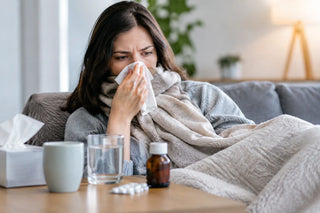
Down with Flu or Covid? What Actually Helps
A feverish night, a throat that feels raw and limbs that ache can make flu and Covid feel remarkably similar. If you are down with flu or Covid, what actually helps is usually less elaborate than the wellness aisle suggests: rest, enough fluid, sensible symptom relief and prompt clinical advice when your risk or symptoms call for it.
The aim is not to force a fast recovery, but to stay comfortable, avoid preventable complications and give your body the conditions it needs to recover.
First, Treat the Symptoms You Have
Flu and Covid are both viral infections, and many otherwise healthy adults improve with care at home. Flu often arrives abruptly, with fever, pronounced aches, exhaustion and a dry cough. Covid can present similarly, although sore throat, headache, blocked nose, cough, fatigue and altered taste or smell may also occur. Symptoms alone cannot always tell you which virus is responsible.
The practical approach is the same at first: reduce your commitments, sleep when you can and keep an eye on how you are feeling rather than trying to carry on as normal. A day or two of proper rest is often more useful than pushing through and then taking longer to recover.
If you're looking for practical advice on managing common winter ailments, our guide to Guide to Over-the-Counter Remedies explores many of the options people reach for during cold and flu season.
Fluids, Food and Rest Are Not Glamorous, but They Work
Fever, faster breathing and reduced appetite can all leave you dehydrated. Drink regularly, choosing water, warm drinks, soup or an oral rehydration solution if you are struggling to keep fluids up. A useful guide is passing pale urine regularly. If nausea makes larger drinks unappealing, take small sips often.
You do not need a special diet. Light, familiar meals can be easier when appetite is low, but eating less for a few days is generally less concerning than not drinking enough. Prioritise foods you can tolerate, whether that is toast, yoghurt, soup or fruit. Avoid excess alcohol, which can worsen dehydration, disturb sleep and interact with medicines.
Rest means more than staying in bed while answering emails. Allow for interrupted sleep, lower concentration and a gradual return to exercise. Once fever has settled and you feel clearly better, gentle movement around the home is reasonable. Return to training only when your energy and breathing have normalised, building back gradually rather than testing your limits on the first good day.
Sleep is one of the body's most important recovery tools. Our article on What Is Sleep and Why Is It Important explores the role quality sleep plays in overall health and wellbeing.
Medicines and Products That Can Help You Feel More Comfortable
Over-the-counter treatments do not cure flu or Covid, but the right option can make a miserable day more manageable.
Many people choose to keep a few essentials at home during winter, including products from our Coughs, Colds & Flu collection.
Paracetamol can help reduce fever, headache and muscle aches. Ibuprofen may also help with pain and fever for many adults, provided it is suitable for you. Follow the dosage on the pack, use the lowest effective dose for the shortest time, and ask a pharmacist if you have a stomach ulcer, kidney disease, asthma that is affected by anti-inflammatory medicines, heart disease, are pregnant, or take regular medication.
For those considering over-the-counter options, our Paracetamol and Ibuprofen collections provide further information on available products.
The most common avoidable error is doubling up on paracetamol. Many cold and flu powders, capsules and night-time remedies already contain it. Check every active ingredient before combining products and never exceed the stated daily maximum. Aspirin should not be given to anyone under 16 unless specifically prescribed.
A saline nasal spray or rinse can ease a blocked nose without the medication cautions of decongestants. Medicated decongestant sprays may provide short-term relief, but should generally not be used for more than a few days, as congestion can rebound. Oral decongestants are not right for everyone, particularly people with high blood pressure, heart conditions, glaucoma, thyroid disease or those taking certain antidepressants.
For a sore throat, warm drinks, lozenges and simple pain relief are often enough. Honey in a warm drink can soothe a cough in adults and children over one year old. It must not be given to babies under one because of the risk of infant botulism.
Monitoring temperature can be useful when managing a viral illness at home, particularly if fever is one of your main symptoms. A reliable thermometer from our Thermometers collection can help you keep track of changes over time.
What Does Not Help – Or May Make Things Worse
Antibiotics do not treat flu or Covid because they work against bacteria, not viruses. They may be prescribed if a clinician suspects a separate bacterial infection, but taking leftover antibiotics or seeking them "just in case" will not shorten a viral illness and contributes to antibiotic resistance.
Similarly, a large stack of supplements is not a substitute for rest, hydration or medical assessment. Vitamin C, zinc and vitamin D are frequently promoted for colds and immunity, but they cannot reliably stop or cure flu or Covid once symptoms have begun.
Vitamin D remains worthwhile for people advised to take it, particularly during autumn and winter. Products from our Vitamins collection may form part of a balanced health routine, but they should not be viewed as a treatment for flu or Covid.
If you're thinking about how supplements fit into a broader wellbeing strategy, our article on How to Build a Supplement Routine offers a practical starting point.
Be cautious with remedies that promise to "boost" immunity overnight, especially if they contain multiple herbal ingredients. Natural does not automatically mean suitable during pregnancy, for people with long-term conditions, or alongside prescribed medicines. A pharmacist can help you assess a specific product in the context of your health history.
Do not use someone else's prescription medicine, including antivirals, steroids or inhalers. Steroid tablets are not a routine home treatment for uncomplicated Covid or flu and can be harmful in the wrong setting.
Down with Flu or Covid? Know When to Seek Help
Most people can manage mild illness at home, but some people are more likely to become seriously unwell.
Contact NHS 111, your GP surgery or your usual clinical team promptly if you are pregnant, immunosuppressed, aged 65 or over, or have a significant long-term condition such as lung, heart, kidney or neurological disease, diabetes, or severe obesity. The same applies if your symptoms are worsening rather than gradually improving.
Antiviral treatments may be available to some people at higher risk of severe illness. Timing matters because these medicines work best when started early, so do not wait several days to ask for advice if you think you may be eligible.
Testing may also be useful in some circumstances, particularly where it affects access to treatment or decisions about protecting a vulnerable household member. Products within our Home Diagnostics collection may help you monitor aspects of your health at home when appropriate.
Call 999 or attend A&E if there is severe difficulty breathing, persistent chest pain or pressure, new confusion, fainting, blue or grey lips or skin, coughing up blood, or an inabilityally drowsy, struggling to breathe, has a rash that does not fade when pressed, or is not feeding normally.
People living with asthma or other long-term respiratory conditions should ensure they have access to any treatments recommended by their healthcare professional. Additional products can be found within our respiratory health collection.
Protect the People Around You
While you are unwell, staying home and limiting close contact can reduce the chance of passing infection on. Pay particular attention around older relatives, newborn babies and anyone with a weakened immune system. Good ventilation, handwashing and covering coughs and sneezes remain sensible measures, especially in shared spaces.
A healthier indoor environment can also make recovery more comfortable. Our recent article on Damp, Mould and Your Health This Winter explores how indoor conditions can affect respiratory comfort during colder months.
You do not need to wait until every trace of a cough has disappeared before resuming ordinary life. A cough and tiredness can linger after the most infectious phase has passed. Let your symptoms, energy and the needs of those around you guide a measured return, and take extra care if you still have a fever or feel distinctly unwell.
A well-stocked medicine cabinet is helpful, but the most considered response is rarely the most complicated one. Keep fluids within reach, choose symptom relief carefully, rest without apology and seek advice early if something does not feel right.