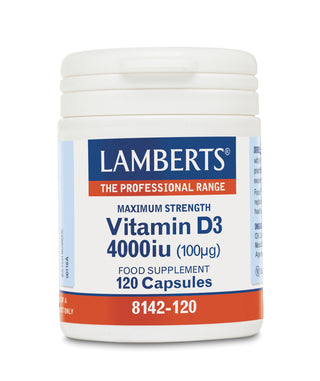
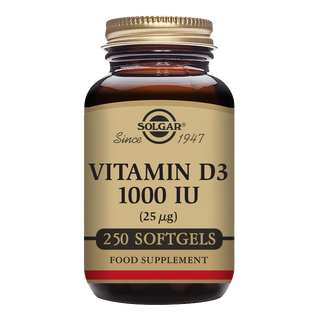
Unlike other vitamins, your body can actually make vitamin D on its own – all it needs is sunlight. That's why it's often called the "sunshine vitamin". During the darker months, supplements are important help keep your vitamin D levels healthy, which keeps your immune system strong and your bones and muscles functioning properly.
What is vitamin D and why do you need it?
Interestingly, Vitamin D isn't technically a vitamin at all, it’s more of a hormone. Your body produces Vitamin D when UV rays hit your skin, which breaks the traditional rules for vitamins (they're usually nutrients you must get from food). It's a unique nutrient that's absolutely essential for health, and your body only needs small amounts of it.
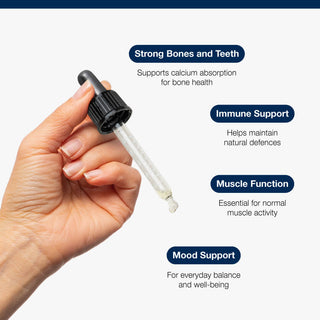
There are different forms of vitamin D, including D3 (from sunlight and animal sources) and D2 (from plants). More than 90% of our body’s vitamin D comes from exposure to sunlight alone.[1] Its most important job is regulating the amount of calcium and phosphorus in the body, which keeps your bones, teeth and muscles strong and healthy. It also helps your immune system fight infections. Without enough vitamin D, your bones become more fragile, your muscles lose strength, and your immune system has a harder time fighting off infections.
Recent research also suggests vitamin D helps reduce the risk of depression, and low levels of Vitamin D have also been linked to more severe symptoms of fibromyalgia and anxiety.[2]
What are the best sources of vitamin D?
The best source of Vitamin D is sunshine – when UV rays hit your skin, your body manufactures it naturally. From late March to September, most people can produce all the vitamin D they need just by spending time outdoors (balance is key – about 10 minutes of midday sunlight often does the job))[3].
But "sunny days" and "reliable weather" aren't exactly our strong suit in the UK. Between October and early March, the sun's rays aren't strong enough for your body to make vitamin D, which is why supplements are so widely recommended during winter in particular.
It’s worth knowing that your skin can't produce vitamin D from sunlight shining through a window, and sunscreen blocks the UVB rays needed for vitamin D production. So, getting it properly means spending time outdoors.
You'll also find small amounts of vitamin D in oily fish like salmon, as well as red meat, egg yolks, liver, and fortified foods. But it's nearly impossible to get enough from food alone (you'd need to eat roughly 25 eggs to hit daily targets from eggs alone). For most people, sunlight and supplements are the primary sources of Vitamin D.
Should I take a vitamin D supplement?
For most people in the UK, the answer is yes – at least during autumn and winter. The NHS recommends that everyone consider taking a daily supplement of 10 micrograms (400 IU) during the darker months when your body can't produce vitamin D from sunlight.
Some groups should take a supplement year-round, including children aged 1-4, babies, people who aren't often outdoors, and those who cover most of their skin for cultural or religious reasons, as well as women who are pregnant or breastfeeding.
Because darker skin is rich in melanin, it’s naturally better at blocking UV rays – but that also makes it harder for your body to absorb vitamin D from the sun. If you have darker skin, it’s recommended that you take a vitamin D supplement daily, and not just during winter.
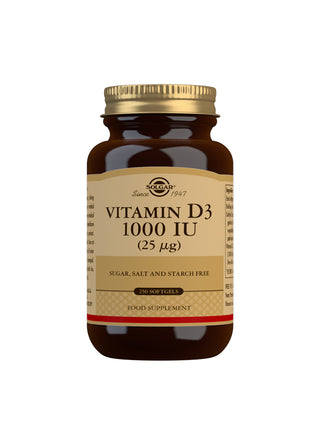
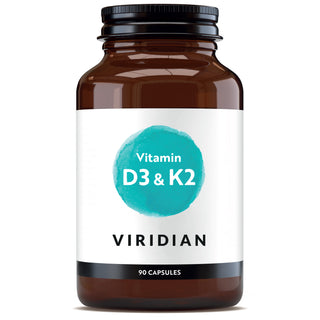
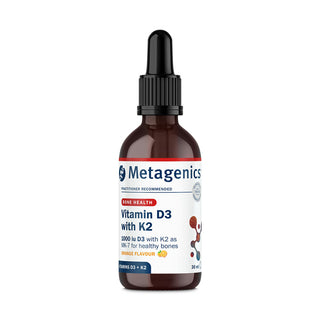
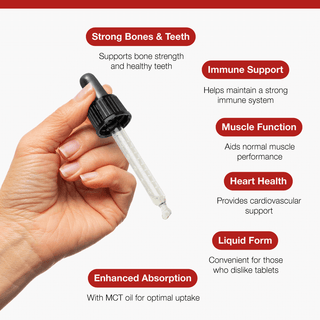
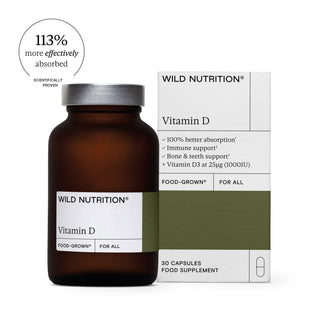
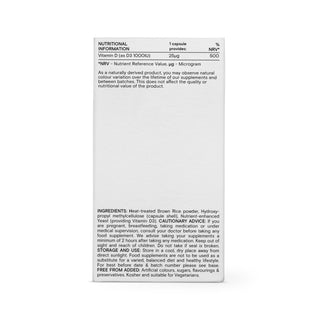
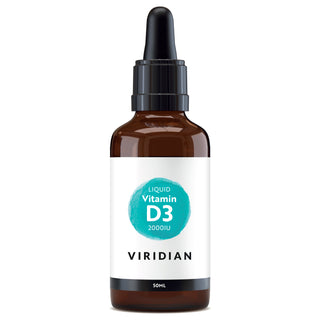
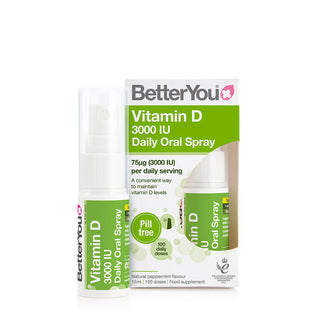
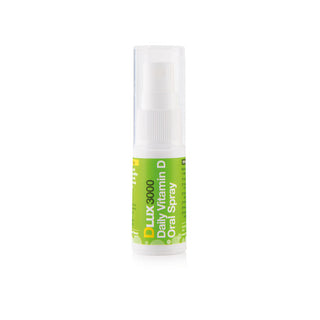
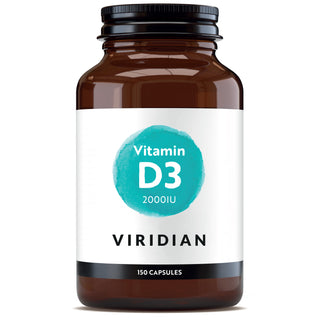
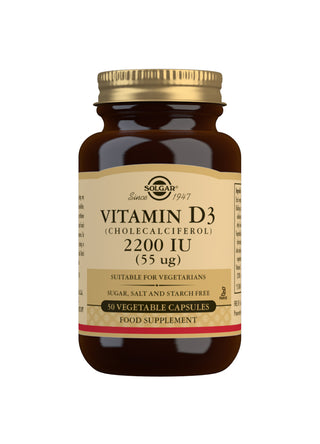
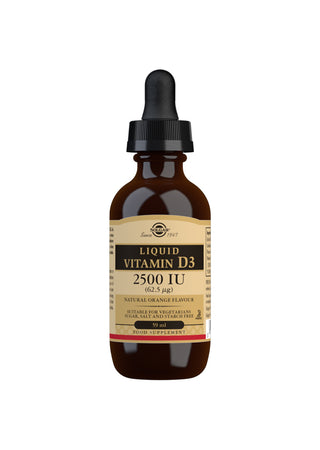
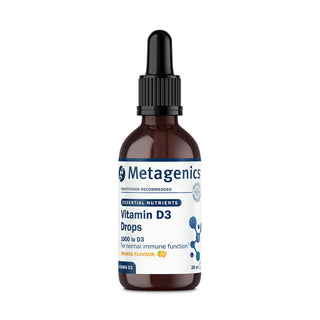
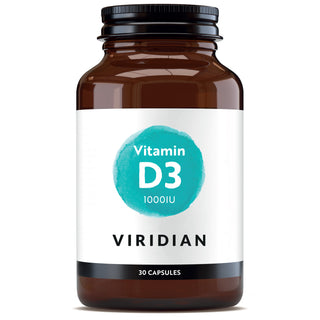
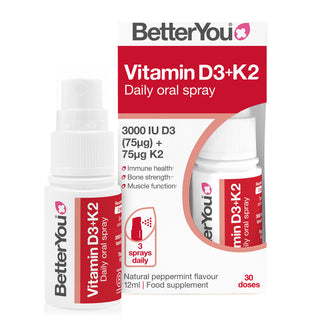
If you're unsure whether you're getting enough vitamin D, it's worth speaking with a healthcare professional. Otherwise, a daily supplement is a simple way to maintain healthy levels. Vitamin D supplements come in both pill and liquid form.
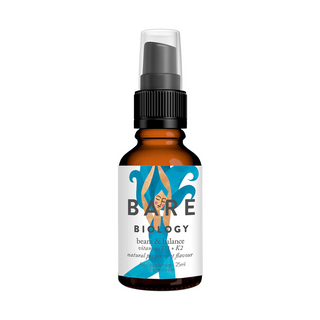
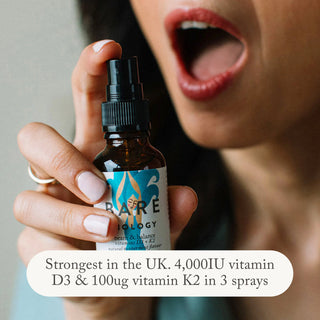
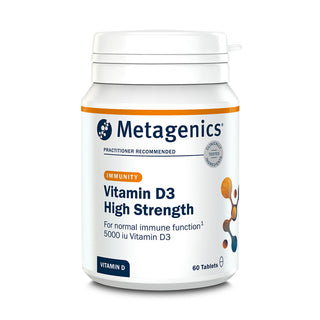
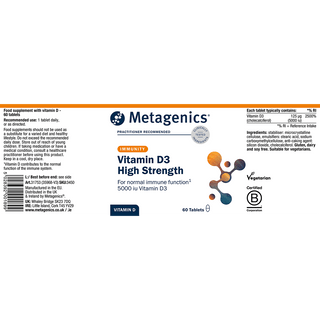
Explore our range of vitamin D supplements to support healthy bones, muscles, and immune function year-round.
[1] sciencedirect.com/science/article/pii/S0002916522037674?__cf_chl_tk=hM8uGI4Z5BGgmW75mcXidS1absIk.YTCqHVZ7PKvRh8-1778245373-1.0.1.1-zpY_Ejx3gE.32i9eN7nZU3uY_7VoxwKNm3MWOiwavEA
[2] https://www.healthline.com/health/food-nutrition/benefits-vitamin-d#may-regulate-mood
[3] https://theros.org.uk/blog/vitamin-d-welcome-to-the-sunlight-zone/