Skip to content
Free Delivery on Orders over £35
Free Pickup in Store

When you think of vitamin C, you probably picture bright oranges and citrus fruits – or fighting off a cold. But there's a lot more to this essential vitamin than that. From supporting your immune system to protecting your skin and helping wounds heal, vitamin C is one of those nutrients your body needs every single day.

What are the benefits of taking vitamin C daily?

Vitamin C is an essential vitamin, meaning your body can't produce it on its own. Humans are among the few mammals unable to make their own vitamin C due to a quirk in our genetic code, which is why we need to get it from food or supplements every day.

Also called ascorbic acid, vitamin C is linked to many impressive health benefits. It has earnt a reputation as a 'superfood' because it is one of the most important antioxidants in the diet. It plays an important role in strengthening the immune system and protecting your cells from damage caused by free radicals, which contribute to ageing and conditions like heart disease and cancer.

It's also vital for producing collagen (which is why it's so popular in skincare) keeping your skin firm while also maintaining healthy blood vessels, bones, and gums. It supports proper wound healing and helps your body absorb iron from plant-based foods, which can help reduce fatigue.

Which foods are high in vitamin C?

The best way to get enough vitamin C is through a balanced diet with plenty of fruit and vegetables. You'll find vitamin C in citrus fruits (oranges, lemons, grapefruits), bell peppers, strawberries, broccoli, kale, Brussels sprouts, and tomatoes.

While oranges are the most famous source of Vitamin C, other foods often contain even higher concentrations. One cup of chopped red pepper, for example, provides nearly three times the vitamin C of an orange (which contains around 70mg).

The NHS recommends that adults aged 19-64 get at least 40mg of vitamin C daily. In general, women should aim for 75mg, men for 90mg, while pregnant women and those breastfeeding may need more.

Are vitamin C supplements safe to take every day?

Vitamin C is water-soluble, which means your body can't store it – you need a steady supply every day. For most people, a varied diet provides enough of this essential nutrient. But there are times when supplements are sensible, for example if your diet doesn't regularly include vitamin-C-rich foods, or if you're going through a period of high stress, illness, or recovery.

Smokers also need more vitamin C, as smoking is known to deplete the levels of vitamin C in the body. And because vitamin C supports collagen production and acts as an antioxidant, some people take it specifically for skin health and anti-ageing benefits.

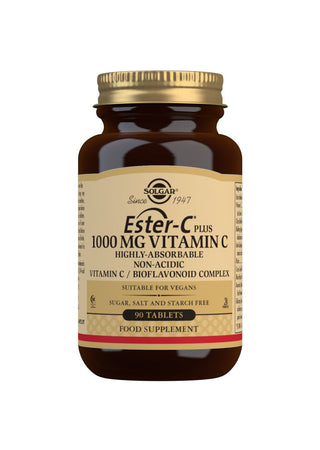
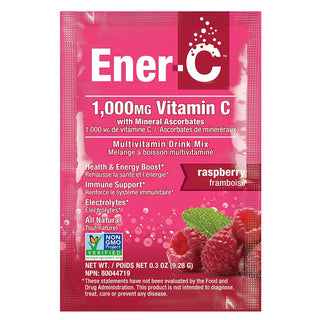
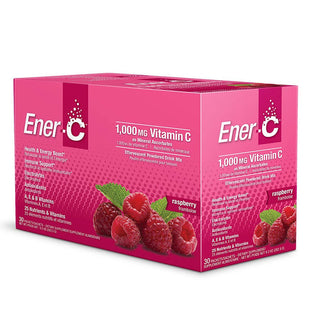
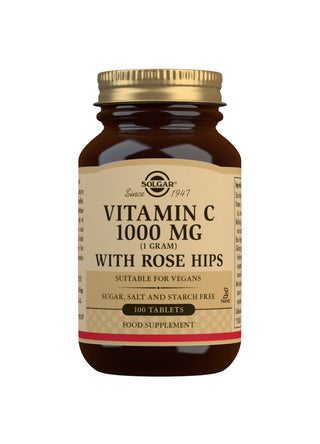
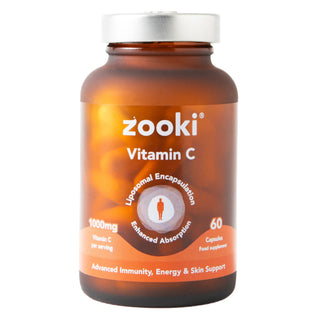
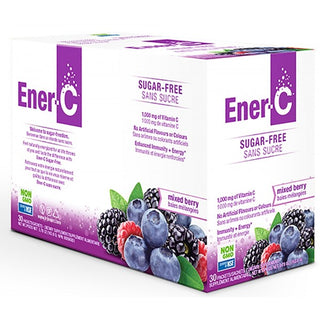
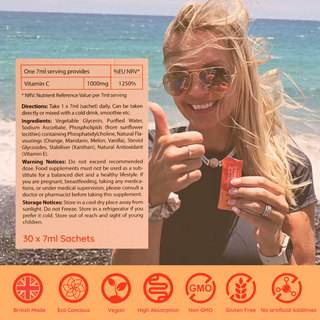
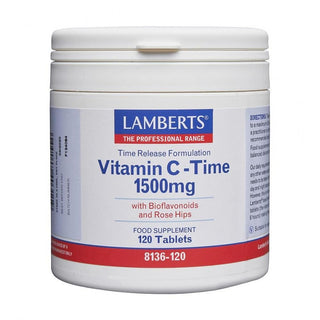
Vitamin C supplements are generally safe to take daily, as excess amounts are excreted in urine. They come in various forms such as capsules, pastilles and effervescent tablets, so you can choose what works best for you. A daily supplement intake of 1,000mg or less is considered safe for adults.

Can vitamin C prevent or shorten a cold?

You've probably heard that vitamin C can prevent colds – it's a claim that's been around for decades. The truth is more nuanced. Taking vitamin C regularly won't stop you from catching a cold. However, some studies suggest it may help reduce how long a cold lasts or ease the severity of symptoms once you've got one. It's not a cure-all, but it might help you recover a little quicker.

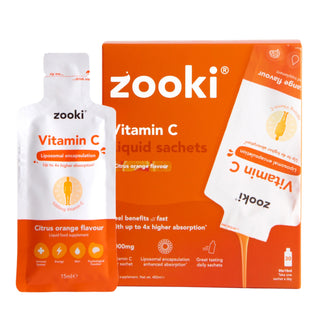
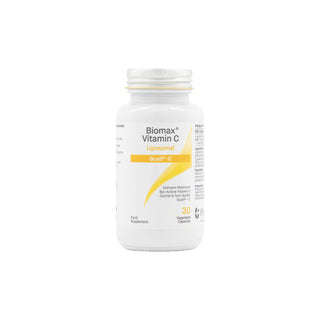
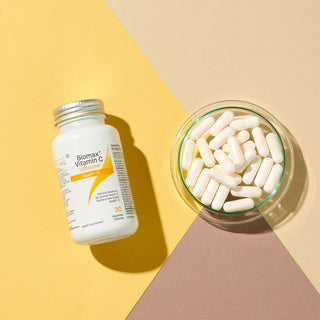
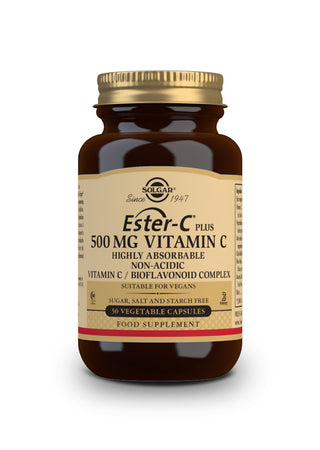
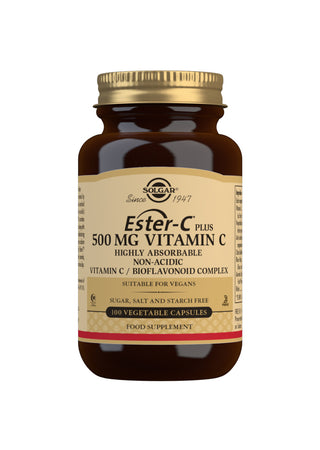
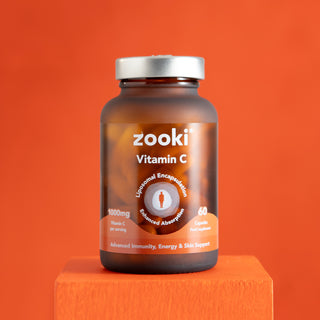
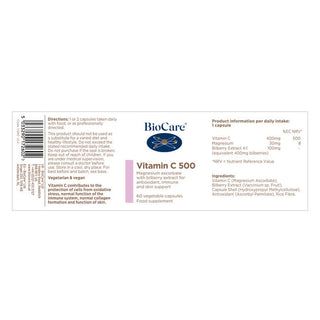
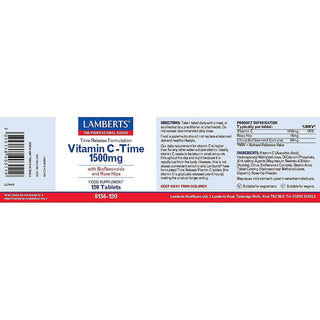
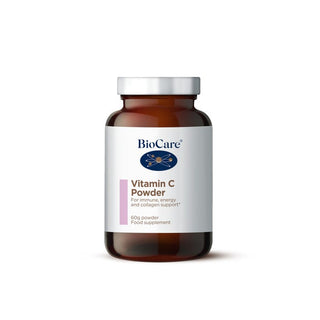
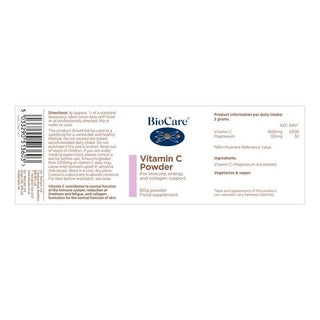
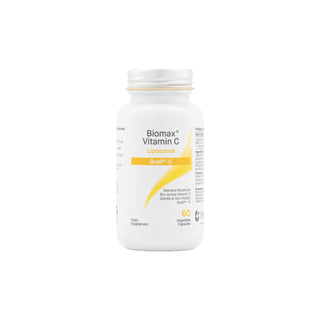
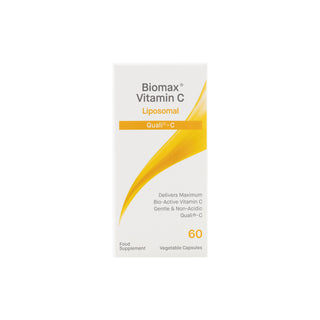
Explore our range of vitamin C supplements to support immunity, skin health, and overall vitality.