
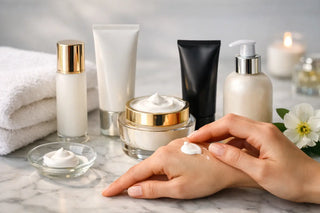
Hands reveal more than we tend to realise. Frequent cleansing, central heating, cold weather, commuting and daily exposure to water can leave even a considered skincare routine looking incomplete. The best luxury hand creams combine the pleasure of a beautifully composed texture and fragrance with ingredients chosen to support the skin barrier, soften roughness and provide lasting comfort.
A premium hand cream should feel like a small but useful ritual, not a product that leaves fingerprints on every surface. The right choice depends on your skin's needs, when you plan to use it and, for many people, how it sits alongside a favourite fragrance.
What Sets the Best Luxury Hand Creams Apart?
The best luxury hand creams are not simply a matter of a weighty tube or an elegant scent. A well-formulated hand cream gives dry skin what it needs while remaining enjoyable enough to use regularly. This is especially valuable because hands are washed more often than most other areas of the body and have relatively few oil glands to replenish their natural protective lipids.
The most effective formulas tend to bring together three functions. Humectants such as glycerin and hyaluronic acid draw water into the outer layers of skin. Emollients, including shea butter, squalane, plant oils and ceramides, smooth the surface and help restore suppleness. Occlusive ingredients, such as dimethicone, waxes or rich butters, reduce moisture loss by forming a protective layer.
The balance is decisive. A very rich balm can be excellent for visibly rough, weathered hands, but may feel too substantial before using a keyboard or getting dressed. Conversely, an airy lotion may be ideal for daytime reapplication but insufficient for cracking skin. The best choice is often not one cream for every occasion, but a lighter formula for the desk or handbag and a more intensive treatment for the bedside.
Choose a Formula for Your Hand Concern
For persistent dryness and rough cuticles
Look for a rich cream or balm with shea butter, glycerin, ceramides, squalane or nourishing botanical oils - L'Occitane's Shea Butter Intensive Hand Balm and AmeliOrate's Transforming Hand Therapy are two intensive options, and dedicated cuticle care can help where nails and nail beds are affected. These ingredients support softness while improving the feel of tight, papery skin. Urea is another particularly valuable ingredient for hands that are rough or prone to flaking, as it both hydrates and gently loosens built-up dead skin cells.
A richer cream is worth applying after washing your hands and before bed. Massage it over the backs of the hands, between the fingers and around each nail, where dryness can make cuticles look uneven. For an intensive evening treatment, apply a generous layer and allow it to absorb before sleep. Those with very dry hands may prefer a fragrance-free formula, as simpler compositions can be more comfortable when the skin barrier is compromised.
For sensitive or reactive skin
Sensitive hands benefit from restraint rather than excess. A fragrance-free, dermatological formula such as Avène's Cicalfate Hand Cream is a sensible choice where skin reacts easily. Fragrance-free options with barrier-supporting ingredients such as ceramides, colloidal oatmeal, panthenol and glycerin can be particularly reassuring. Panthenol, also known as provitamin B5, helps skin feel soothed and conditioned, while colloidal oatmeal is valued for its comforting properties.
Natural fragrance is not automatically gentler than synthetic fragrance. Essential oils and aromatic plant extracts can be enjoyable, but they may not suit hands that are already irritated or prone to eczema. If sensitivity is a concern, introduce a new hand cream gradually and avoid applying it to broken or actively inflamed skin without professional advice. Where skin is cracked, painful or persistently inflamed, a pharmacist or GP can advise whether a medical treatment is needed rather than a cosmetic cream.
For hands exposed to frequent washing
For hands exposed to frequent washing - La Roche-Posay's Lipikar Xerand is formulated for exactly this - healthcare professionals, parents, hospitality workers and anyone who sanitises regularly need a formula that is practical enough for repeated use. Seek a fast-absorbing cream that contains glycerin, niacinamide, ceramides or dimethicone. These ingredients can help replenish moisture without creating a slippery finish.
Keep a tube near the sink or in your work bag and apply it after washing, when skin is still very slightly damp. This approach is more effective than waiting until hands feel uncomfortable, because it helps minimise the repeated cycle of dehydration. A pump format can also be useful at home, where ease of use encourages consistency.
For a polished daytime finish
A lighter, silkier hand cream is often preferable during the day - This Works Perfect Hands Intense Moisture absorbs quickly enough to return to a keyboard or phone without residue. It should leave hands soft enough to feel cared for, but dry enough to hold a phone, drive or return to work immediately. Gel-cream and lotion textures often excel here, particularly when built around humectants, lightweight emollients and a modest level of nourishing oils.
This is where fragrance can play a more central role. A hand cream scented with citrus, soft florals, herbs or woods can offer a discreet finishing touch, much like a refined body lotion. If you wear fragrance, consider whether the hand cream complements it. A clean, skin-like scent is versatile; a richer, more distinctive composition may be better reserved for occasions when it can be appreciated on its own.
Texture Matters as Much as Ingredients
Hand cream is a category where personal preference has a direct effect on results. The most accomplished formula cannot help if it remains unused in a drawer. Consider when and where it will earn its place in your routine.
A balm is usually the most concentrated option, offering substantial comfort for dry knuckles, cuticles and overnight use. A classic cream provides a satisfying middle ground, with enough richness for everyday dryness but a more flexible finish. Lotions and gel-creams suit those who dislike residue or need to reapply throughout the day. There is no universally superior texture: dry, mature hands often appreciate a cream or balm, while combination or easily warm hands may favour a lighter formulation.
Packaging also has a practical role. A slim tube is ideal for travel and a handbag. A generous pump bottle makes sense beside the kitchen or bathroom sink. A beautifully presented jar can feel indulgent, though it is best used with clean, dry hands to maintain the formula's quality.
Ingredients Worth Seeking, and When to Be Selective
A thoughtful luxury hand cream need not contain every celebrated skincare ingredient. The formula should be purposeful. Glycerin remains one of the most reliable moisturising ingredients available, while ceramides help support the lipid barrier that keeps hands resilient. Shea butter offers plush nourishment, and squalane delivers softness with a lighter feel than some traditional oils.
For signs of age, ingredients such as niacinamide, antioxidants and gentle retinoid alternatives may appeal, although daily sunscreen on the backs of the hands remains the most meaningful addition to a preventative routine. Hands receive considerable incidental daylight exposure, particularly when driving or walking outdoors. Apply a broad-spectrum SPF separately in the morning, then reapply hand cream as needed without assuming it replaces sun protection.
Fragrance deserves a considered choice. It is part of the pleasure of luxury beauty, and a well-crafted scent can transform a necessary step into a moment of care. Yet fragrance is not essential to performance. For very dry, sensitised or eczema-prone hands, a perfume-free cream is often the more sensible investment, with a scented option kept for occasions when skin feels settled.
How to Get More from Your Hand Cream
Technique is simple, but timing makes a difference. Apply hand cream after cleansing, before going outside in cold weather and whenever hands begin to feel tight. Pay attention to the areas that receive the least product naturally: knuckles, thumbs, fingertips and the sides of the fingers.
For nails and cuticles, work a small amount of cream into each nail bed using slow circular movements. This is especially useful after removing nail polish, gardening or using cleaning products. If cuticles are persistently dry, a dedicated oil or balm may provide more concentrated care than a lightweight hand lotion.
It is also worth protecting hands from the causes of dryness. Wear gloves for washing up and household cleaning, choose lukewarm rather than very hot water where possible, and avoid harsh soaps when a gentler hand wash is available. Hand cream works best as part of this broader approach, rather than as a rescue product after repeated irritation.
At John Bell & Croyden, a considered hand-care wardrobe can be as useful as a well-chosen facial skincare routine: one formula for comfort during the day, another for restorative care at night, and a finish you genuinely look forward to using. Keep the cream that suits your habits within reach, because the most luxurious result comes from regular, unhurried care. A beautifully formulated hand cream is also one of the easiest gifts to get right - our wellness gift guide and beauty gift ideas offer more.