
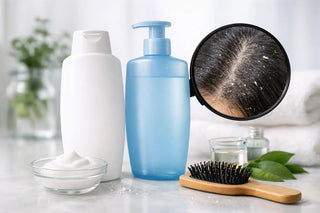
A white flake on the shoulders of a dark coat, a quick glance in the mirror before a meeting, and suddenly scalp care feels less cosmetic and more urgent. Choosing the right shampoo for dandruff treatment is rarely about fragrance or texture alone. It is about understanding what is driving the flakes, how your scalp is behaving, and which active ingredients are most likely to bring it back into balance.
Dandruff is common, but it is not particularly simple. Some scalps produce excess oil and encourage the overgrowth of naturally occurring yeast. Others become irritated by product build-up, harsh cleansing, temperature changes or an already compromised skin barrier. The visible result may look similar, yet the best response can differ considerably.
What dandruff actually is
In most cases, dandruff involves accelerated shedding of skin cells from the scalp, often alongside itchiness and visible flaking. A key contributor can be Malassezia, a yeast that lives naturally on the skin but may become problematic when combined with excess sebum and sensitivity. That is why dandruff often appears more prominently on oily scalps, though dryness and irritation can complicate the picture.
This is also where confusion begins. A dry scalp can produce fine, light flakes and a feeling of tightness, particularly in colder weather or after over-washing. Dandruff tends to cause larger flakes, sometimes with redness or itch, and may sit alongside greasiness at the roots. Psoriasis, eczema and contact dermatitis can look similar again, which is why persistent or severe symptoms deserve closer attention.
How to choose a shampoo for dandruff treatment
A good shampoo for dandruff treatment should do more than simply wash the hair. It needs to target the underlying trigger while respecting the condition of the scalp and the finish of the hair. For some, that means a pharmacy-led formula with proven anti-fungal credentials. For others, a balancing product that manages oil and build-up without stripping the scalp may be the better long-term option.
The first consideration is the active ingredient. Not all anti-dandruff shampoos work in the same way, and the ingredient panel matters far more than marketing language.
Ketoconazole, selenium sulphide and zinc pyrithione
Ketoconazole is often chosen when dandruff is persistent or clearly linked to yeast overgrowth. It is a targeted antifungal ingredient with a strong clinical reputation and can be particularly useful when flakes are accompanied by itch and inflammation.
Selenium sulphide also helps reduce the yeast associated with dandruff and may slow the rate at which skin cells shed. Some people find it highly effective, especially for more stubborn cases, though the texture and scent of these formulas can feel more medicinal.
Zinc pyrithione has long been used in dandruff shampoos because it combines antimicrobial action with scalp-soothing benefits. Depending on the formulation, it can offer a more cosmetic daily-use experience while still addressing the condition itself.
Salicylic acid and coal tar
Salicylic acid is helpful when flaking is thick or adherent because it helps loosen and lift excess scale. It can improve the scalp environment, but on its own it may not address yeast-related dandruff. It is often most useful when paired with other actives or when build-up is part of the issue.
Coal tar slows the turnover of skin cells and may be considered for heavy scaling. It can be effective, though it is not always the first choice for those who prefer a more refined haircare experience or have colour-treated hair. It may also have a stronger scent and a more traditional medicinal profile.
Matching the formula to your scalp and hair
The best results usually come from treating the scalp while keeping the hair fibre in mind. Fine hair that becomes oily quickly may tolerate a more frequent treatment shampoo. Curly, textured or chemically treated hair often needs a gentler rhythm, with anti-dandruff use focused at the scalp and a nourishing conditioner applied through mid-lengths and ends.
If your scalp feels both flaky and tight, there may be an element of irritation or barrier disruption. In that case, an overly harsh formula can make matters worse, even if it initially removes visible flakes. A more balanced approach is often preferable: use a treatment shampoo as directed, then support the scalp with fragrance-conscious, non-stripping care between washes.
Those with coloured hair need to be especially selective. Some active shampoos can affect tone or leave the hair feeling less polished over time. It is worth looking for formulas that combine clinically recognised ingredients with a more elegant base, particularly if regular use is expected.
How to use dandruff shampoo properly
One of the most common reasons anti-dandruff products disappoint is simple: they are rinsed away too quickly. A treatment shampoo usually needs contact time on the scalp to work effectively. Massaging it in and leaving it for several minutes before rinsing can make a noticeable difference.
Frequency also matters. Some formulas are intended for twice-weekly use at the start, then reduced once control is achieved. Others are suitable for more regular washing. Using a treatment shampoo every day when the scalp is already irritated can be counterproductive, but using it too infrequently may not give the active ingredient enough opportunity to help.
Water temperature is another small but worthwhile consideration. Very hot water can aggravate irritation and encourage dryness. Lukewarm washing is gentler on both scalp and hair, particularly during colder months when the skin barrier may already be under pressure.
When a shampoo alone may not be enough
A shampoo for dandruff treatment can be highly effective, but not every flaky scalp is straightforward dandruff. If the scalp is very red, sore, weeping, thickly crusted or extending beyond the hairline, something else may be happening. Seborrhoeic dermatitis, psoriasis and eczema can all require a more specific approach.
It is also worth paying attention to timing. If you have used a suitable treatment consistently for several weeks with little improvement, or symptoms return immediately and intensely, it may be time to seek professional advice. The same applies if hair shedding seems unusual or the scalp feels painful rather than merely itchy.
Scalp health can also be influenced by stress and lifestyle factors. See our guide to stress support products.
This is where a trusted retail environment with pharmacy heritage becomes especially valuable. A curated selection allows you to compare ingredients and formats intelligently rather than choosing by packaging alone, and it supports more confident decision-making when scalp concerns sit between beauty and healthcare.
What to avoid if your scalp is flaking
More product is not always better. Layering scalp scrubs, strong exfoliating tonics and heavily fragranced styling products can leave the scalp more reactive, even when the intention is to treat flakes quickly. A measured routine is usually more successful than an aggressive one.
It also helps to avoid switching shampoos too often. If you are testing a treatment, give it sufficient time and use it as directed before deciding it has failed. Constantly changing products can make it harder to tell whether the dandruff itself is improving or whether the scalp is reacting to the changes.
Heavy oils are another area where results vary. Some people enjoy the comfort they bring to a dry-feeling scalp, but with true dandruff linked to yeast, rich occlusive oils can sometimes worsen the environment. It depends on the scalp, the formula and the frequency of use.
A more refined way to think about scalp care
Dandruff treatment does not need to mean compromising on the overall haircare experience. Increasingly, the most compelling formulas combine therapeutic ingredients with textures and finishes that feel suitable for a premium daily routine. That matters, because a product you are willing to use correctly and consistently is far more likely to succeed.
The goal is not simply to remove flakes for a day or two. It is to restore comfort, reduce visible shedding and create a healthier scalp environment over time. For some, that will mean a clinically focused shampoo used in rotation with a gentle everyday cleanser. For others, one well-chosen formula will be enough to keep the issue controlled.
If your scalp has started making itself known every time you brush your shoulders clean or rethink a dark blazer, it is worth treating with precision rather than frustration. The right shampoo, chosen with care, can bring a surprisingly swift sense of order back to both scalp and routine.