
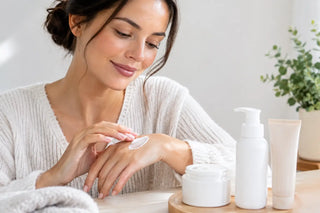
When skin feels tight before breakfast, stings after a shower or becomes uncomfortable beneath clothing, moisturising is not simply a finishing step. The right eczema-friendly moisturisers can help support the skin barrier, reduce the feeling of dryness and make a daily routine feel considerably more comfortable. The best choice is rarely the most elaborate formula. It is the one your skin tolerates well enough to use generously and consistently.
Eczema, also called atopic eczema or dermatitis in some contexts, can look and feel different from person to person. Some experience dry, rough patches; others have itching, redness, flaking or cracked skin. A moisturiser cannot replace medical advice or prescribed treatment for a flare, but it remains a valuable part of everyday skin care for many people with eczema-prone skin.
What eczema friendly moisturisers should do
Healthy skin has a protective barrier that helps retain water and keep potential irritants out. With eczema, that barrier may be less effective, leaving skin more vulnerable to dryness and sensitivity. A well-chosen moisturiser, often referred to as an emollient, works by improving hydration at the surface and helping to limit water loss.
There is no single texture or ingredient that suits every person. The most appropriate formula depends on where you are applying it, how dry the skin is, whether you are prone to sensitivity and, importantly, whether you enjoy using it. A rich balm may be excellent for persistently dry hands, yet feel too occlusive on the face during a warm commute. Conversely, a lightweight lotion may be pleasant for daytime use but insufficient for very dry shins or elbows.
Look for formulas designed for sensitive or very dry skin, with a concise and purposeful approach to ingredients.

Formulated for eczema-prone skin
PHARMACERIS EEmotopic Eczema Cream 75ml

Formulated for eczema-prone skin
PHARMACERIS EEmotopic Soothing And Softening Emollient Cream 200ml
Ingredients that support dry, eczema-prone skin
The most effective moisturising routines tend to combine three functions: attracting water to the skin, softening rough areas and creating a protective layer that slows moisture loss. Many premium formulations bring these functions together in refined textures that are easier to apply regularly.
Humectants for hydration
Humectants draw water into the outer layers of the skin. Glycerin is a longstanding favourite in sensitive-skin formulations because it is effective, well understood and comfortable in a range of textures. Hyaluronic acid can also contribute hydration, although it is best considered one component of a complete moisturiser rather than a solution on its own for markedly dry skin.
Emollients for softness and flexibility
Emollients smooth the skin's surface and help relieve the dry, rough feeling associated with eczema-prone areas. Depending on the formula, these may include squalane, ceramides, fatty acids and certain plant-derived oils. Ceramides are particularly useful to consider because they are naturally present in the skin barrier. In a thoughtfully formulated cream, they can complement a routine focused on barrier support.
Natural oils can feel wonderfully nourishing, but they are not automatically the best choice for every sensitive complexion. Botanical ingredients are varied, and some people react to specific extracts or essential oils. If your skin is highly reactive, a simpler, fragrance-free cream may be a more reliable starting point than a heavily botanical blend.
Occlusives for reducing moisture loss
Occlusive ingredients form a layer that helps prevent water evaporating from the skin. Petrolatum is a classic example, valued for its simplicity and protective effect. Dimethicone, mineral oil, lanolin and richer butters may also play this role, depending on the product.
Heavier occlusives and balms can be especially helpful overnight, after bathing and on exposed areas such as hands. The trade-off is texture: some people dislike a glossy finish, while others find it reassuring. A routine can accommodate both preferences - perhaps a comfortable cream in the morning and a more protective ointment on dry patches at night.
Cream, lotion or ointment: choosing the right texture
Texture is not a superficial consideration. It influences how much product you use, how frequently you reapply and whether a moisturiser fits naturally into your day.
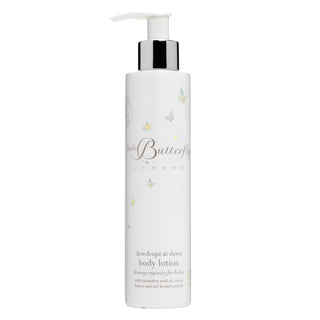
Lotions are usually fluid and quick to spread, making them practical for large areas of the body or for use in warmer weather. They may be ideal for maintaining comfort when dryness is mild, but can feel too light during a flare or in centrally heated environments.

Lighter textures
HOPE'S RELIEFMoisturising Lotion 145g
Lighter textures
LITTLE BUTTERFLY LONDONDewdrops at Dawn Body Lotion 200ml
Creams offer a balanced option for many people. They tend to provide more lasting comfort than lotions without the density of an ointment, and work well as an all-over daily moisturiser. A cream in a pump format can also be a practical, hygienic choice for busy households.

Everyday emollient creams
CETRABENEmollient Cream 500g

Everyday emollient creams
E45Moisturiser Cream Tub 350g

Everyday emollient creams
AVEENOCream 300ml
Ointments are generally the richest option, with fewer water-based components and a more protective finish. They can be particularly useful for very dry, cracked or weather-exposed skin.

Richest texture
LA ROCHE-POSAYLipikar Balm AP+Max 400ml
How to use eczema friendly moisturisers more effectively
Application technique matters as much as the product itself. Apply moisturiser after washing, ideally while skin is still slightly damp, then smooth it over rather than rubbing vigorously. This helps limit friction on already uncomfortable skin.
Regular use is usually more helpful than saving a rich cream only for the worst days. Keep a suitable moisturiser where you will genuinely use it: beside the basin, on a desk, in a handbag or near the bed. Hands in particular may need repeated application after washing, cleaning or being outdoors in cold weather.
During a flare, skin can become more sensitive than usual. It may be wise to simplify your routine temporarily, setting aside exfoliating acids, retinoids, fragranced body products and scrub-based cleansers until the skin feels more settled. If you use a prescribed topical treatment, follow the advice given by your pharmacist, GP or dermatologist on when and how to apply it alongside your emollient.
A generous amount is often required for body moisturising. If you find yourself using only a small dab because a product is expensive or inconvenient, it may not be the right everyday option. Consider reserving a more luxurious, sensorial formula for areas where you enjoy it most, while choosing a larger-format, straightforward emollient for frequent all-over use.
Common triggers worth considering
A moisturiser can be excellent and still struggle to compensate for an irritating routine. Hot showers, harsh soaps, fragranced washing products, wool next to the skin and sudden changes in temperature can all aggravate eczema-prone skin for some people - our guide to skincare for colder weather covers the seasonal side. Keeping showers comfortably warm rather than hot, patting the skin dry and choosing gentle cleansers can make a noticeable difference.
Laundry products deserve attention too. If itching seems worse after changing detergent, fabric conditioner or bedding, consider whether fragrance or residue may be contributing. Soft, breathable fabrics such as cotton are often more comfortable against irritated skin than rough or heavily textured materials.
Patch testing is worthwhile when introducing a new formula, particularly if you have a history of contact allergies. Apply a small amount to an inconspicuous area for several days and observe how the skin responds. A product can be beautifully formulated and still not be your product - individual tolerance always takes priority. Where skin is currently irritated, the simplest formula is usually the safest place to restart.
When to seek professional advice
Moisturising is supportive care, not a substitute for diagnosis. Seek advice from a pharmacist, GP or dermatologist if eczema is widespread, painful, weeping, crusted, showing signs of infection, disturbing sleep or not improving with your usual routine. Children, especially babies with persistent rashes, should be assessed rather than treated through trial and error alone.
Our skincare specialists can help you compare textures and find an emollient you will actually use consistently. A pharmacist can also help you distinguish between everyday dryness and skin symptoms that may require a different approach. This is particularly valuable if you are unsure whether a new product, medicine or environmental factor is contributing to irritation.
The most considered skincare routine is one that adapts to your skin rather than asking your skin to adapt to it. Choose a texture you will reach for without hesitation, apply it with consistency, and allow comfort - not complexity - to guide the routine.