
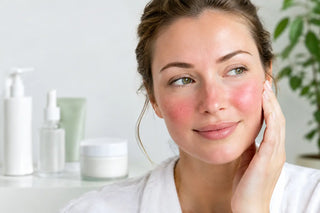
A hot shower, a new active serum or even a brisk walk can leave rosacea-prone skin looking noticeably different within minutes. If you are asking what skincare helps rosacea-prone skin, the answer is usually not a longer or more intensive routine. It is a carefully edited one: gentle cleansing, dependable barrier support, daily sun protection and a measured approach to treatment ingredients.
Rosacea is a long-term inflammatory skin condition that may involve persistent redness, flushing, visible blood vessels, sensitivity, dryness, bumps or a combination of these concerns. Its presentation varies considerably, as do individual triggers. Skincare cannot replace clinical diagnosis or prescribed treatment, but the right formulas can make skin feel more comfortable and help reduce the avoidable irritation that can accompany a flare.
What skincare helps rosacea-prone skin most?
Prioritise products that cleanse without stripping, moisturise without heaviness and protect without stinging. For many people, this means fragrance-free, low-foaming formulas with a short, purposeful ingredient list. A product may be beautifully formulated and highly effective for another skin concern, yet still be unsuitable when your complexion is reactive.
The skin barrier is central to this decision. It is the outer layer that helps retain water and limit the entry of irritants. When it is compromised, skin can feel tight, dry, warm or itchy and may react to products it previously tolerated. A routine designed around barrier care is therefore not a compromise on results. It is often the most productive starting point.
Begin with a gentle cleanser
Choose a creamy, milky or very mild gentle cleanser that removes sunscreen, make-up and daily impurities without leaving the face squeaky clean. Strong foaming surfactants, facial brushes, cleansing cloths and very hot water can all aggravate a vulnerable barrier through friction or over-cleansing.
Cleanse once in the evening as a baseline. In the morning, some people with dry or highly reactive skin are more comfortable simply rinsing with lukewarm water, while others prefer a small amount of their gentle cleanser. The deciding factor is how your skin feels afterwards: comfortable and supple is the aim, not tight or overly polished.
If you wear tenacious make-up or water-resistant sunscreen, remove it patiently. A fragrance-free cleansing balm or milk may suit some, followed by a mild water-based cleanser if needed, though richer first cleansers can feel too occlusive for those prone to congestion or inflammatory bumps.
Cleanser choice deserves more room than this article can give it, and our guide to the best cleanser for rosacea covers textures, ingredients to approach carefully and how to test a new formula when your skin reacts easily.
Rebuild comfort with barrier-supporting moisturiser
A moisturiser for rosacea-prone skin should do more than add temporary softness. Look for humectants, such as glycerin or hyaluronic acid, to draw water into the skin, alongside emollients and occlusives that reduce moisture loss. Ceramides, squalane, cholesterol and fatty acids are particularly useful barrier-supporting ingredients, and a moisturiser built around them is usually the most productive purchase in a rosacea routine.
Texture matters. A lightweight lotion may suit combination skin or warmer months, while a cream can offer greater comfort when central facial dryness, cold weather or prescribed treatments cause flaking. Apply moisturiser to slightly damp skin after cleansing. If a serum is being used, keep the routine simple enough that you can identify the source if sensitivity develops.
It is worth resisting the temptation to rotate several moisturisers at once. A dependable formula used morning and evening gives you a clearer picture of what your skin tolerates, and reduces the risk of introducing an unnecessary trigger.
Wear broad-spectrum SPF every day
Ultraviolet exposure is a widely reported rosacea trigger, and daily broad-spectrum sun protection is one of the most valuable parts of a routine. Choose SPF 30 or higher, ideally SPF 50, and apply a generous, even layer each morning. Reapply when spending prolonged periods outdoors, especially in strong sun.
Both filter types can work well, but tolerance is personal. Mineral sunscreens containing zinc oxide or titanium dioxide are often favoured by sensitive complexions because they can be less likely to sting. They may, however, leave a cast or feel richer on the skin. Modern carbon-based filters - the type usually labelled 'chemical' on packaging - can be elegant and lightweight, yet some formulas may tingle around the eyes or on compromised skin. Our guide to chemical versus mineral sunscreen explains the difference in full.
A tinted mineral SPF can be especially useful where redness is a concern. The tint may provide light, natural-looking coverage while helping offset the pale cast that some mineral filters leave behind. Whichever format you choose, introduce it on a calm-skin day and assess its comfort over several wears rather than one application.
Targeted ingredients: proceed with purpose
The most refined rosacea routine is not necessarily ingredient-free. It is selective. Once your skin is comfortable on a basic cleanse, moisturise and protect routine, a targeted product may be considered for redness, uneven texture or blemish-like bumps.
Azelaic acid is frequently recommended for rosacea-prone skin and is available in both cosmetic and prescription strengths. It can help with inflammatory blemishes and uneven-looking tone, but can also cause tingling, dryness or irritation when introduced too quickly. Begin with a lower-strength product two or three evenings a week, apply it over moisturiser if needed, and build only if your skin remains settled. If a clinician has prescribed azelaic acid, follow their directions rather than adding another version alongside it.
Niacinamide can support the skin barrier and may help improve the look of redness for some people - our guide to what niacinamide does covers concentrations in more detail. Lower concentrations are often the more prudent choice for reactive skin. High-strength niacinamide formulas can provoke warmth or flushing in certain users, despite the ingredient's otherwise excellent reputation.
Ingredients such as panthenol, allantoin, beta-glucan and colloidal oatmeal can provide welcome soothing support in well-formulated products. They are not guaranteed solutions, but can be valuable additions where dryness and discomfort are prominent.
Retinoids, exfoliating acids and potent vitamin C formulas require greater caution. These ingredients can be beneficial for concerns such as acne, pigmentation and photoageing, but their potential for irritation is significant when rosacea is active or the barrier is impaired. This does not always mean they are permanently off limits. It means the timing, strength, frequency and formulation should be considered carefully, ideally with professional guidance.
What to keep out of a rosacea skincare routine
Avoiding every possible trigger is neither realistic nor necessary, but certain product characteristics warrant caution, and a sensitive skincare range is a sensible place to look first. Fragrance, including essential oils, can be problematic for sensitive skin. Astringent alcohol-heavy toners, grainy physical scrubs, peel pads and strong at-home acid treatments can similarly cause burning or visible irritation.
Heat and friction deserve as much attention as ingredient labels. Pat the face dry with a soft towel rather than rubbing. Apply products with clean hands and light pressure. Keep showers lukewarm and be cautious with facial steaming, saunas and intense exercise if these reliably lead to flushing. These are individual decisions, not universal prohibitions - a personal trigger pattern is more useful than an overly restrictive routine.
When trialling a new product, patch test first on a discreet area such as behind the ear or along the jawline for several days. This cannot predict every facial reaction, but it can identify obvious sensitivity. Add one new formula at a time and allow at least a week or two before judging it. This deliberate approach is particularly helpful when you are investing in advanced skincare.
A calm routine for morning and evening
In the morning, cleanse lightly if required, apply a simple hydrating or targeted product only if it is already well tolerated, follow with moisturiser and finish with broad-spectrum SPF. In the evening, remove sunscreen and make-up gently, cleanse, apply any targeted treatment on its scheduled nights, then use moisturiser.
On a flare-prone day, simplify further. Skip exfoliation and non-essential actives, return to your mild cleanser, moisturiser and SPF, and avoid testing anything new. Skin often responds better to consistency than to correction.
When to seek professional advice
Persistent facial redness is not always rosacea, and rosacea can overlap with acne, eczema, contact dermatitis and other conditions. Speak to a GP, dermatologist or qualified skincare professional if redness is new, worsening or affecting your confidence, or if you experience painful bumps, eye discomfort, gritty eyes, light sensitivity or changes to vision. Ocular symptoms need prompt assessment.
Medical treatment may be appropriate alongside a supportive skincare routine. This can include prescription topical therapies, oral medication or professionally selected procedures, depending on the type and severity of rosacea. Bring your current products to an appointment, or make a note of them, as this can help identify potential irritants and avoid unnecessary duplication.
At John Bell & Croyden, our skincare specialists can help you compare gentle formulas and build a routine your skin will tolerate, while a pharmacist, GP or dermatologist remains the right person for the condition itself. A considered approach means choosing fewer products of higher relevance, then giving them time to earn a place in your routine. When rosacea-prone skin is treated with patience rather than pressure, comfort is often the most meaningful sign of progress.