
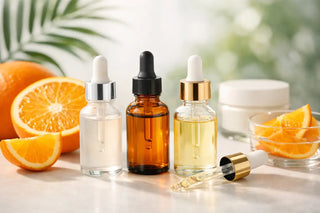
A vitamin C serum can earn its place in a considered skincare routine, but only when its formula suits your skin and your habits. Vitamin C serum: how to choose the right one is less about finding the highest percentage on the label and more about balancing potency, stability, texture and tolerance.
For some, vitamin C is the brightening step that helps revive a dull complexion after a demanding week. For others, it is a targeted addition to support a more even-looking tone, particularly where the appearance of pigmentation or post-blemish marks is a concern. The right choice should feel effective, elegant to use and straightforward enough to apply consistently.
What a vitamin C serum can do for skin
Vitamin C is an antioxidant, meaning it helps counter the effects of environmental stressors, including pollution and UV exposure, which can contribute to visible signs of skin ageing. In skincare, it is most valued for supporting a brighter, more radiant appearance and helping skin look more even over time.
It also supports collagen production, a natural process linked with skin that appears firmer and smoother. Results are gradual rather than instant. A serum may deliver a pleasing initial glow through hydration and light-reflecting textures, but meaningful improvements in tone or the look of fine lines usually depend on regular use over several weeks.
This is why formula matters. Vitamin C is a notoriously delicate ingredient: it can lose effectiveness when exposed to light, air and heat. A well-chosen serum considers not just the active itself, but how it is stabilised and protected.
Vitamin C serum: how to choose the right one for your skin
Begin with your primary concern. If dullness is your focus and your skin is generally resilient, a pure vitamin C formula may be a fitting choice. If you experience sensitivity, redness or dryness, a gentler derivative and a lower starting strength are often more sensible. Those managing visible pigmentation may prefer a formula that pairs vitamin C with complementary brightening ingredients.
Your existing routine is equally relevant. If you already use exfoliating acids, retinoids or prescription skincare, choosing a milder vitamin C product can make it easier to maintain comfort. Skincare need not be a test of endurance. A serum that causes persistent stinging, tightness or flaking is unlikely to be the right long-term option, regardless of its credentials.
Choose the form of vitamin C thoughtfully
L-ascorbic acid is pure vitamin C and the form most often associated with research-backed antioxidant and brightening benefits. It is effective, but can be less stable and more likely to tingle, especially at higher strengths or in acidic formulas. It may suit normal, combination or oily skin that is accustomed to active skincare.
Vitamin C derivatives are designed to offer improved stability and, in many cases, a gentler experience. Look for names such as sodium ascorbyl phosphate, magnesium ascorbyl phosphate, ascorbyl glucoside or tetrahexyldecyl ascorbate. Their feel and performance differ, and they are not direct equivalents to L-ascorbic acid. However, they can be an excellent choice for dry, sensitive or reactive skin, or for anyone who wants a more comfortable daily formula.
Oil-soluble forms such as tetrahexyldecyl ascorbate are often found in nourishing, silky textures that work particularly well for drier complexions. Water-based formulas may appeal to those who prefer a weightless layer beneath moisturiser and make-up. There is no universally superior format. It depends on what you will use consistently.
Do not chase the highest concentration
A higher percentage does not automatically mean better results. L-ascorbic acid is commonly available in concentrations of around 5% to 20%. Beginners and those with sensitive skin may find that 5% to 10% is a more comfortable starting point, while experienced users may choose 10% to 15% if their skin tolerates it well.
At very high strengths, irritation can outweigh the benefit. If skin becomes inflamed, the resulting redness may make concerns around uneven tone look more pronounced. For derivatives, percentages cannot be compared directly with L-ascorbic acid, so evaluate the formula as a whole rather than relying on one figure.
Look for a formula with useful companions
Vitamin E and ferulic acid are frequently paired with L-ascorbic acid. Together, they can improve antioxidant support and help stabilise the formula. This combination is particularly appealing for those seeking comprehensive daytime protection alongside sunscreen.
Other formulas may include hyaluronic acid, glycerin, ceramides or squalane to support hydration and the skin barrier. These additions are valuable if your complexion feels dehydrated or if active products tend to leave it uncomfortable. For uneven-looking tone, ingredients such as niacinamide, liquorice root extract or tranexamic acid may also complement vitamin C - our guide to skincare for hyperpigmentation covers those - although a simpler routine is often wise when introducing a new active.
Packaging is part of the product
A carefully formulated serum can still be compromised by unsuitable packaging. Vitamin C performs best when protected from light and air, so choose opaque or tinted glass, aluminium tubes, airless pumps or well-designed sealed packaging where possible. Clear dropper bottles may look refined on a bathroom shelf, but they are not always ideal for unstable forms of vitamin C.
Pay attention to changes over time. A slight pale yellow tint can be normal for some L-ascorbic acid serums. If the product turns deep orange or brown, develops an unusual smell or noticeably changes texture, oxidation may have occurred. It is generally best to replace it rather than continue applying a formula that may no longer perform as intended.
Store the serum in a cool, dry cupboard away from direct sunlight. Keeping it beside a steamy shower or on a warm windowsill is an easy way to shorten its useful life.
Build it into your routine with care
Vitamin C is usually most useful in a morning routine, when its antioxidant properties can complement broad-spectrum SPF. After cleansing, apply a few drops to dry skin, allow them to settle, then follow with moisturiser and sunscreen. Sunscreen remains essential: vitamin C is a valuable supporting step, not a substitute for daily UV protection.
You can also use vitamin C in the evening if that suits your routine better. The key is consistency and tolerance. If you are new to active skincare, begin every other morning for one to two weeks before moving to daily use.
Mixing vitamin C with other actives is not automatically problematic, but timing can make a difference. Many people comfortably use vitamin C in the morning and retinoids in the evening - our guide to layering active skincare properly covers the timing. If you use strong exfoliating acids, avoid introducing both products at full frequency on the same day until you know how your skin responds. A pharmacist, dermatologist or skincare professional can offer more tailored guidance if you have a diagnosed skin condition or use prescribed topical treatments.
Texture should suit your routine, not just your skin type
A serum is only useful when it fits naturally into the products you already enjoy using. Lightweight, aqueous formulas suit those who layer SPF and make-up, while cream-serums and oil-based treatments can be more satisfying for dry or mature skin. Oily skin is not always best served by the thinnest possible texture, either. Dehydrated skin can produce excess oil, and a formula with humectants may be more beneficial than an overly drying treatment.
Fragrance-free options are worth considering if your skin is reactive or you prefer to minimise potential irritants. Equally, a lightly fragranced premium formula may be perfectly enjoyable for skin that is not sensitive. The decision should be personal, informed and led by how your complexion behaves rather than by a rigid rule.
Before committing to daily use, patch test a new serum on a small area and introduce it gradually. The most rewarding vitamin C serum is not necessarily the most potent or the most elaborate. It is the one whose formula, finish and level of activity encourage you to reach for it each morning, then finish the routine with sunscreen.