
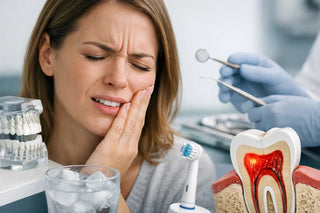
That sudden jolt from a sip of iced water or a spoonful of something sweet is rarely random. If you are wondering what causes tooth sensitivity and how to treat it, the answer usually starts with exposed dentine — the inner layer of the tooth beneath the enamel that contains tiny channels leading to the nerve. When that protective barrier is worn down or the gums recede, heat, cold, sugar and even air can trigger a sharp, fleeting pain.
Tooth sensitivity is common, but it should not be dismissed as simply one of those things. Sometimes it is linked to brushing habits or whitening products. At other times, it can point to enamel erosion, gum disease, a cracked tooth or untreated decay. The right response depends on the cause, which is why a more considered approach tends to bring better results than reaching for a random toothpaste and hoping for the best.
Understanding the underlying cause often makes it easier to choose the right daily care, particularly when paired with guidance found in our articles on best products for sensitive teeth: what works and electric vs manual toothbrush: which is better.
This article is for general information only and does not replace professional dental advice. If symptoms persist, worsen, or cause significant pain, consult a dentist.
What causes tooth sensitivity?
In most cases, sensitivity happens because the tooth's natural protection has been compromised. Enamel protects the visible part of the tooth, while a thinner protective layer covers the root surface. If either layer is thinned, worn away or no longer covering the surface fully, microscopic tubules in the dentine become exposed. These connect to the nerve inside the tooth, allowing external stimuli to set off pain.
One of the most frequent causes is overbrushing. A firm hand and a hard-bristled brush may feel thorough, but they can gradually wear enamel at the gumline and contribute to gum recession. The same applies to aggressive brushing with whitening pastes or abrasive formulas used too often.
Acid erosion is another leading factor. Fizzy drinks, citrus, wine and acidic foods can soften enamel over time, especially if they are consumed frequently across the day. Acid reflux, including Gastro-oesophageal Reflux Disease (GORD), can also contribute to enamel erosion over time,though this is often overlooked because the source is not dietary.
Gum recession changes the picture as well. As gums pull back, the roots of the teeth become more exposed. Root surfaces are far less resistant than enamel, so they can become sensitive quickly. Receding gums may be related to age, brushing technique, periodontal disease or clenching and grinding.
There are also more localised causes. A cracked tooth, a leaking filling, dental decay or recent dental treatment can all produce sensitivity. Whitening treatments are another common culprit. Some people experience mild temporary discomfort after using whitening strips, gels or professional treatments because the bleaching agents penetrate the tooth.
How to tell whether sensitivity is temporary or something more serious
Not all sensitivity behaves in the same way, and that matters. A brief zing when drinking something cold often points to exposed dentine. Pain that lingers after the trigger has gone, throbs on its own or is focused on one tooth may suggest a deeper problem, such as decay, infection or a crack. Seek urgent dental advice if pain is severe, associated with facial swelling, fever, or difficulty eating.
Timing is useful too. If sensitivity began after whitening, a hygienist appointment or switching to a new toothpaste, the explanation may be straightforward. If it has developed gradually, affects several teeth and worsens with cold foods, enamel wear or gum recession becomes more likely.
What you should not do is ignore severe or persistent symptoms. Sensitivity can be manageable, but pain is still a message. If the pattern changes, becomes more intense or is accompanied by swelling, bleeding gums or pain when biting, a dental assessment is the sensible next step.
What causes tooth sensitivity and how to treat it at home
For many people, the first line of treatment is changing daily care. A toothpaste formulated for sensitive teeth is often the most effective place to start. Toothpastes containing fluoride and desensitising ingredients such as potassium nitrate or stannous fluoride can be particularly helpful. These products typically work in one of two ways - either by helping to block the dentine tubules or by calming the nerve response. Used consistently twice a day, they can reduce symptoms over time.
Technique matters as much as formula. Choose a soft toothbrush or an extra-soft toothbrush and brush gently in small circular motions rather than scrubbing side to side. If you use an electric brush, avoid pressing too hard. The aim is to clean thoroughly without creating further wear.
If acids are part of the problem, it helps to reduce how often teeth are exposed rather than focusing only on obvious offenders. Sipping acidic drinks over a long afternoon is more damaging than having them quickly with a meal. Rinsing with water afterwards can help, but brushing immediately after acid exposure can worsen enamel wear because the surface is temporarily softened. It is better to wait at least 30 minutes before brushing.
For those prone to sensitivity after whitening, a gentler schedule may be enough. Shorter treatment periods, lower-strength formulas or spacing applications further apart can make the process more tolerable. If whitening causes significant discomfort or prolonged sensitivity, stop treatment and seek advice from a dentist.
Night-time grinding is another factor worth considering. If you wake with a tight jaw, headaches or tenderness in the teeth, clenching may be contributing to microscopic wear and irritation. This is not something toothpaste can fully solve, and a dentist may recommend a guard.
Which products can help - and where people go wrong
In any dental care routine, effectiveness and suitability should come before trends or marketing claims. A well-formulated sensitive toothpaste, a soft toothbrush and, if advised, a fluoride mouthwash are often more useful than a crowded bathroom shelf full of harsh whitening and polishing products.
The most common mistake is inconsistency. Sensitive toothpastes generally need regular use to build benefit. Another misstep is rinsing vigorously straight after brushing, which can wash away the active ingredients too quickly. Spitting out the excess and leaving a light residue on the teeth can help the formula stay in contact for longer.
People also tend to assume that if one toothpaste is good, a more abrasive whitening paste will make teeth cleaner and brighter. In reality, if your enamel is already compromised, stronger is not always better. There is a trade-off between cosmetic results and comfort, and that balance should be considered carefully.
For shoppers looking to refine their routine, curated dental care ranges from trusted retailers such as John Bell & Croyden can make it easier to choose products based on your specific oral health needs rather than selecting based on packaging or marketing claims alone.
When sensitivity needs professional treatment
Home care can do a great deal, but some cases need clinical attention. If sensitivity is linked to decay, a broken filling or a cracked tooth, the underlying structure has to be treated. Desensitising toothpaste may take the edge off, but it will not resolve the cause.
Dentists may use higher-strength fluoride varnish treatments, bonding agents or sealants as part of managing exposed areas. In more advanced cases of gum recession, periodontal treatment may be needed. If the tooth nerve is inflamed or infected, treatment becomes more involved, and prompt care is important.
There is also a difference between widespread sensitivity and one tooth that suddenly becomes painful. General sensitivity often reflects wear or recession across the mouth. A single painful tooth raises more concern for a local problem such as a crack, cavity or abscess.
Preventing future sensitivity
Prevention is usually less about dramatic change and more about better daily decisions. Use a soft-bristled brush, do not rush your brushing technique, and avoid the habit of scrubbing harder for a cleaner feeling. Keep acidic foods and drinks in perspective, particularly if they are part of your routine rather than an occasional treat.
If you whiten your teeth, do so with care and choose products suited to sensitive teeth where possible. If you suspect grinding, seek advice before the wear becomes more significant. And if your gums bleed regularly or appear to be receding, treat that as a reason to act rather than wait.
Sensitivity can also fluctuate with stress, illness, dietary shifts and changes in oral care products. Many people ignore sensitivity or irritation until it begins shaping what you eat, drink and avoid. Addressed early, it is often very manageable, and the right solution is usually more precise than people expect.