Support your energy, skin health and nervous system with vitamin B2, also known as riboflavin. This important micronutrient helps your body turn food into energy and also acts as an antioxidant. Discover how B2 works and when supplements can help.
What does vitamin B2 do?
Vitamin B2, also known as riboflavin, helps convert proteins, fats and carbohydrates into energy your body can use. But B2 does more than just power your cells – it also acts as an antioxidant, protecting them from free radicals. This means B2 supports your health in lots of ways, including keeping your skin glowing, your eyes healthy, and your nervous system working properly.
It also helps your body absorb iron, which is essential for producing red blood cells that carry oxygen throughout your body. When iron levels drop, it can lead to fatigue, low energy, and anaemia, which is why it’s important to ensure a sufficient daily intake of Vitamin B2.
There's also some interesting research suggesting that B2 may help reduce depression in women[1], though more studies are needed to fully understand this link. And it’s also been shown to reduce the frequency and severity of migraine attacks.[2]
B2 is water-soluble, which means your body doesn't store it, so any excess gets flushed out in urine. This is why you need a steady daily supply through food or supplements.
What foods are high in vitamin B2?
You'll find riboflavin in a wide variety of everyday foods. Good sources include fish, meat, poultry, eggs, milk, mushrooms, fortified breakfast cereals, almonds and quinoa.
The NHS recommends 1.3mg a day for men and 1.1mg a day for women. Most people can get this easily from a balanced diet; however, it's worth knowing that cooking methods have an impact on how well nutrients are preserved – roasting meat, for instance, can reduce B vitamins by as much as 40%.
Should I take a vitamin B2 supplement?
If you eat a varied, healthy diet, you're likely getting all the riboflavin you need. Deficiency is quite rare because B2 is found in so many foods. However, data from the National Diet and Nutrition Survey found that 1 in 10 women in the UK aren't meeting their recommended intake.[3] Vitamin B2 deficiency can lead to a variety of health issues, including fatigue, anaemia and skin problems. If you have a limited diet, eat very little animal products, or are concerned you're not getting enough B2, supplements can help.
As our bodies rely on B2 for energy, taking supplements can be beneficial for athletes of if you engage in intense physical activity regularly. B2 is known to help reduce muscle pain, enhance performance, reduce fatigue, and speed up recovery. [4] People taking certain medications like antibiotics or diuretics that interfere with B2 absorption may also find supplements helpful.
If you're unsure whether you may benefit from supplementation, it's worth speaking with a healthcare professional.
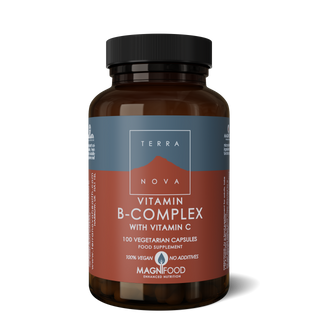
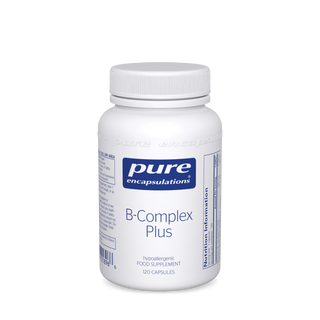
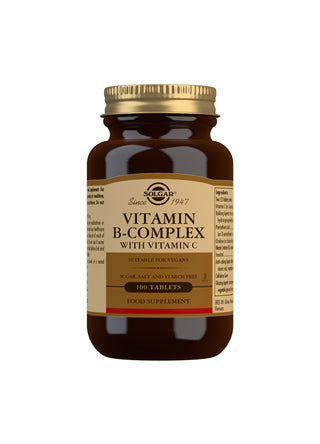
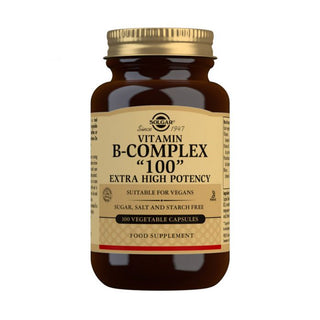
Discover our vitamin B2 supplements to boost energy, maintain healthy skin, and keep your nervous system strong.